EveryEvent Costa Rica

Ver todos os Events

Find every event in Costa Rica

events

Concerts & Live Music
Festivals
Sports & Recreation
Food & Drink
Arts & Culture
Community
Family & Kids
Nightlife
Comedy
Theater
Destinos populares
BaliSedonaLos AngelesCosta RicaNew YorkSan FranciscoAustinMiamiJoshua TreeTulum
Ver todas as categoriasVer todos os destinos

Explorar todos os recursos

Ferramentas poderosas para expandir seus eventos

Recursos da plataforma

Precificação dinâmica inteligente
Categorias de ingressos
Lugares marcados
Recuperação de carrinho abandonado
Recuperação de visitantes
Doações e preço variável
Sistema de afiliados
Scanner de ingressos
Códigos de desconto
Perguntas personalizadas
Compartilhamento de ingressos
Upsells e complementos
Análises e relatórios
Sequências de e-mail
Lista de espera / Notificar / Lembrar
Explorar
Discovery HubArtists & PerformersVenuesKnowledge Base
Ver todos os recursosSobre nós
PreçosBlog
Ver todos os eventos

events

Concerts & Live MusicFestivalsSports & RecreationFood & DrinkArts & CultureCommunityFamily & KidsNightlife

Destinos populares

BaliSedonaLos AngelesCosta RicaNew YorkSan Francisco

Explorar

Discovery HubArtists & PerformersVenuesKnowledge Base

Recursos da plataforma

Precificação dinâmica inteligenteCategorias de ingressosLugares marcadosRecuperação de carrinho abandonadoRecuperação de visitantesDoações e preço variávelSistema de afiliadosScanner de ingressosCódigos de descontoPerguntas personalizadasCompartilhamento de ingressosUpsells e complementosAnálises e relatóriosSequências de e-mailLista de espera / Notificar / Lembrar
Ver todos os recursosSobre nós
PreçosBlog
EntrarCadastrarOrganizadores de eventos
  • Browse All Events
  • Concerts & Live Music
  • Festivals
  • Sports & Recreation
  • Food & Drink
  • Arts & Culture
  • Community
  • Family & Kids
  • Nightlife
  • Todas as categorias →
  • All Destinations →
  • For Promoters
  • For Artists
  • For Venues
  • For Festivals
  • For Event Spaces
  • For Nonprofits
  • For Bloggers
  • For Speakers
  • Brand Ambassador
  • Case Studies
  • Rede de 350K+ compradores
  • Recuperação de carrinho abandonado
  • Precificação dinâmica inteligente
  • Categorias de ingressos
  • Eventos recorrentes
  • Lugares marcados
  • Sistema de afiliados
  • Lista de espera / Notificar
  • Scanner de ingressos
  • Widget incorporável
  • Todos os recursos →
  • Sobre
  • The Ecosystem
  • Blog
  • Glossário
  • Inspiration
  • Central de ajuda
  • Contato
  • Documentação da API
  • Recursos da marca
  • Carreiras
  • Imprensa
  • Termos de Serviço
  • Política de Privacidade

Events

  • Browse All Events
  • Concerts & Live Music
  • Festivals
  • Sports & Recreation
  • Food & Drink
  • Arts & Culture
  • Community
  • Family & Kids
  • Nightlife
  • Todas as categorias →

Getaways

  • All Destinations →

For Organizers

  • For Promoters
  • For Artists
  • For Venues
  • For Festivals
  • For Event Spaces
  • For Nonprofits
  • For Bloggers
  • For Speakers
  • Brand Ambassador
  • Case Studies

Recursos

  • Rede de 350K+ compradores
  • Recuperação de carrinho abandonado
  • Precificação dinâmica inteligente
  • Categorias de ingressos
  • Eventos recorrentes
  • Lugares marcados
  • Sistema de afiliados
  • Lista de espera / Notificar
  • Scanner de ingressos
  • Widget incorporável
  • Todos os recursos →

Empresa

  • Sobre
  • The Ecosystem
  • Blog
  • Glossário
  • Inspiration
  • Central de ajuda
  • Contato
  • Documentação da API
  • Recursos da marca
  • Carreiras
  • Imprensa
  • Termos de Serviço
  • Política de Privacidade
EveryEvent
© 2026 EveryEvent Costa Rica. Todos os direitos reservados.
Inspire

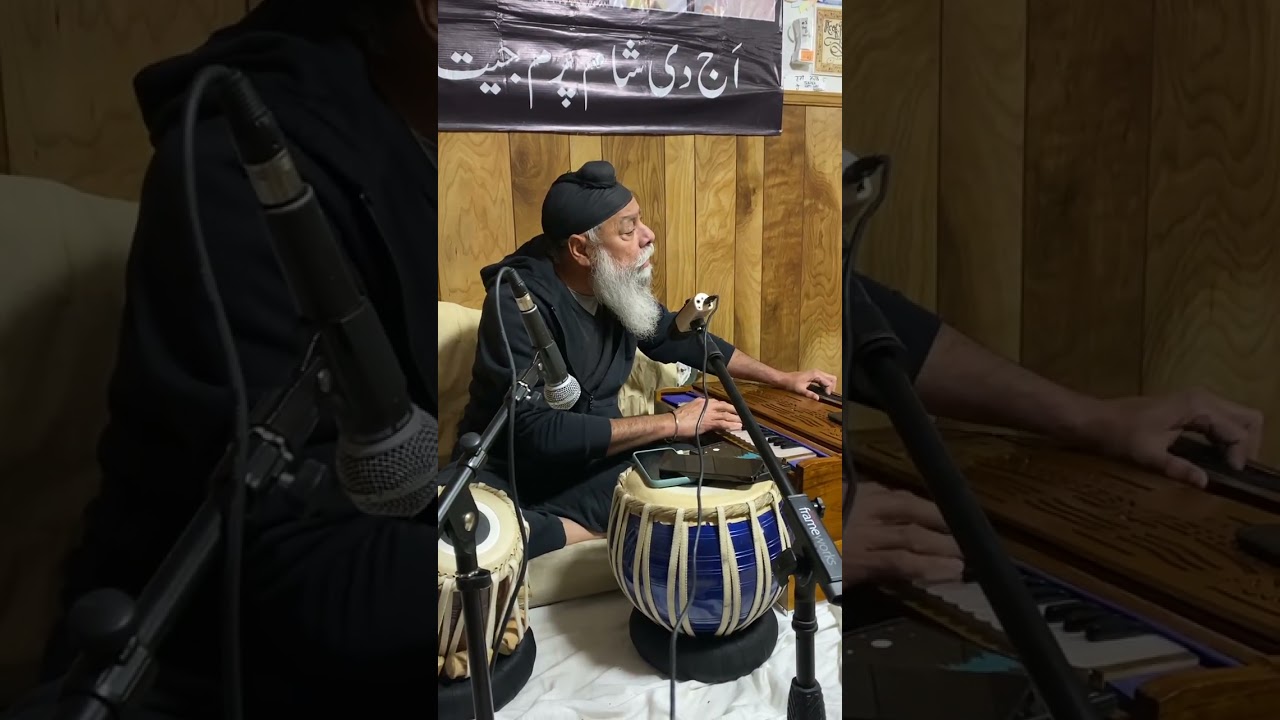
Raag-Based Gurbani Kirtan: The Beautyof Mere Laalan Ki Sobha

Professor Paramjeet Singh
Jun 5, 2026
7 min read
Watch · 8

TLDR: This recording of "Mere Laalan Ki Sobha Nirali"—a shabad from Sri Guru Granth Sahib Ji set in the Kalyan raag—demonstrates how authentic raag-based Gurbani kirtan weaves classical Indian music principles with Sikh devotional practice. Professor Paramjeet Singh performs the shabad using traditional bandishes (compositions) and classical techniques that mirror the practices of Sikh gurus, inviting listeners to experience the divine glory and beauty of the Almighty through both music and contemplation.

Read · 8 sections

What Is Raag-Based Gurbani Kirtan?

Raag-based Gurbani kirtan represents a specific tradition within Sikh devotional music that integrates Indian classical music frameworks with sacred Punjabi scripture. Rather than performing shabads in a purely devotional or folk manner, raag-based kirtan adheres to the melodic systems (raags) of Hindustani classical music, applying their characteristic phrases, ornamentation, and emotional coloring to the words of the Gurus.

As Professor Paramjeet Singh explains in the recording, all of the bani (sacred words) within Sri Guru Granth Sahib Ji are registered within specific raags. The shabad "Mere Laalan Ki Sobha" is composed in the Kalyan raag. This is not arbitrary; the raag selection itself carries spiritual and emotional significance. Kalyan is traditionally understood as an auspicious raag, often associated with devotion, beauty, and celebration—making it an appropriate container for lyrics that praise the glory and magnificence of the Divine.

Why Did the Gurus Use Raag and Classical Composition?

One of the key teachings embedded in this performance is the historical continuity between contemporary Gurbani kirtan practice and the era of the Gurus themselves. Professor Paramjeet Singh notes that the classical compositions and raag-based singing practices used today reflect how kirtan was performed during the time of the Gurus. This is not a modern overlay; it is an attempt to preserve an ancient tradition.

The use of bandishes (classical melodic compositions) and raag structures was intentional. The Gurus did not compose shabads to be sung in arbitrary ways. Rather, they embedded them within specific musical frameworks that would make the words memorable, emotionally resonant, and spiritually transformative for the listener. The combination of raga structure, rhythmic patterns, and lyrical content creates a multi-sensory spiritual experience.

This approach reflects a sophisticated understanding of how music affects consciousness. By anchoring the sacred words in a structured raag, the singer and listener are guided through a specific emotional and spiritual journey. The raag becomes a vehicle for the meaning of the shabad.

The Structure and Meaning of "Mere Laalan Ki Sobha"

The shabad "Mere Laalan Ki Sobha Nirali" (The Incomparable Beauty of My Beloved) centers on the glory, splendor, and magnificence of God, referred to as "Laalan" (the Beloved). The opening refrain—"Mere Laalan Ki Sobha" (The Beauty of My Beloved)—sets the devotional tone for the entire piece.

Throughout the performance, Professor Paramjeet Singh introduces various poetic themes that elaborate on divine greatness. One significant verse references Brahma, Mahesh (Shiva), the Siddhs (enlightened beings), Muni (sages), and Indra (the king of the gods)—all figures from Hindu and yogic traditions who are depicted as seeking and praising the glory of the Divine. By invoking these archetypal figures, the shabad suggests that all levels of creation, from the highest celestial beings to human devotees, are moved to praise God's magnificence.

Another key verse speaks of bhagats (saints and devotees) seeking the gift and praise of God. This emphasizes that the proper human response to divine glory is devotion, gratitude, and humble prayer. The verse "Bhagat Daan Jas Maage" (The devotees ask for the gift of praise) positions the listener as part of a lineage of saints who have oriented their lives toward recognizing and celebrating the Divine.

Yoga, Meditation, and Divine Realization in the Shabad

One of the deeper layers of the shabad addresses spiritual practices and their limitations. The verse "Jog Gian Dhian Sidh Lagai" speaks of yoga, knowledge, meditation, and spiritual accomplishments. However, the full meaning suggests that even these advanced practices are ultimately dependent upon or oriented toward the recognition of Divine beauty and glory. In other words, spiritual disciplines are valuable not as ends in themselves but as means of attuning oneself to the Almighty.

This teaching reflects a non-dualistic philosophy common in Sikh theology: all paths, all practices, all beings ultimately exist within and derive meaning from their relationship to the One Divine reality. The shabad does not reject yogic or meditative disciplines but places them within a larger spiritual framework centered on devotion and love.

The Refrain and the Power of Repetition in Kirtan

The refrain—"Mere Laalan Ki Sobha, Sad Nam Tan Man Rangi" (The beauty of my Beloved, the eternal Name colors body and mind)—is repeated throughout the performance with variations. This repetition is not mere melodic decoration; it is a spiritual technology.

In the traditions of bhakti (devotion), the repetition of divine names and praises is understood to gradually transform consciousness. By repeating "Mere Laalan Ki Sobha" in the context of the Kalyan raag, the listener's mind and heart are progressively aligned with devotional awareness. The raag itself—with its specific ascending and descending phrases, its characteristic notes, and its inherent emotional quality—works in concert with the words to create this transformative effect.

Professor Paramjeet Singh invites listeners to participate in this kirtan without needing formal training. He emphasizes that if listeners concentrate their minds ("man ek karka") and sing along with the performance, they will experience complete joy and fulfillment. This democratization of the practice—the insistence that one need not be a trained musician to benefit—reflects the Sikh principle that spiritual experience is available to all who approach with sincere attention and devotion.

The Closing Blessing: "Kahu Nanak Sant Na Baliharey"

Toward the end of the performance, the refrain shifts to a closing verse: "Kahu Nanak Sant Na Baliharey" (Says Nanak, I am a sacrifice to the saints). This attribution to Guru Nanak, the founder of Sikhism, grounds the entire shabad within the Guru's own devotional stance. Guru Nanak—rather than positioning himself as an authority or teacher standing apart—expresses complete reverence and surrender to the saints and the Divine.

This closing gesture is spiritually significant. It suggests that the proper culmination of devotional practice is not self-aggrandizement or the accumulation of spiritual status, but deepening humility and love. The Guru's own example is one of sacrifice and service to the Divine and to the spiritual community.

The Musical Dimension: Raag Kalyan and Its Characteristics

While the recording itself is the primary teaching, it is worth noting that Kalyan raag has specific musical characteristics that align with its spiritual role in this shabad. Kalyan is known for its bright, celebratory quality. It emphasizes the notes Sa (the tonic), Re (the second), Ga (the third), and Ma (the fourth), creating an uplifting melodic contour. These notes in ascending sequences suggest expansion, openness, and joy—emotional and spiritual states appropriate to celebrating divine glory.

Professor Paramjeet Singh's performance demonstrates how a skilled raag-based kirtan artist uses these musical properties. The variations in how notes are approached, the use of meends (slides) and khatkas (rapid ornamentations), and the overall arc of the melody all serve to deepen and elaborate the emotional and spiritual content of the shabds' words.

Where to Go From Here

For those drawn to this recording, there are several directions for deeper engagement. First, listen repeatedly to "Mere Laalan Ki Sobha" with the intention of absorbing not just the melody but the devotional mood it creates. Many practitioners find that repeated listening becomes a form of meditation in itself.

Second, if you are interested in learning raag-based Gurbani kirtan, Professor Paramjeet Singh offers classes in both harmonium and tabla, as well as training in voice culture, Indian classical music, and Gurmat Sangeet (the music of the Sikh Gurus). Classes are available online and in-person in Mississauga, Ontario, Canada. Whether you are a beginner or advanced student, learning to sing Gurbani kirtan in raag provides both artistic skill and spiritual practice.

Third, engage directly with Sri Guru Granth Sahib Ji to read the full text of shabads you encounter in kirtan. Understanding the Punjabi meanings and the Guru's intentions deepens your experience of the music. Many translations and transliterations are available online and in printed editions of the Granth.

Finally, seek out live Gurbani kirtan performances and community singing gatherings (sangats) where these shabads are performed. The power of devotional music is often amplified in communal settings, where the collective intention and participation of many listeners creates a shared spiritual atmosphere.

Transcript

[0:01] ਵਾਹਿਗੁਰੂ

[0:10] >> ਵਾਹਿਗੁਰੂ

[0:22] >> ਵਾਹਿਗੁਰੂ

[0:28] >> [ਗੀਤ ਗਾਉਣਾ]

[0:30] >> ਵਾਹਿਗੁਰੂ

[0:35] [ਗੀਤ ਗਾਉਣਾ]

[0:39] ਵਾਹਿਗੁਰੂ

[0:46] >> ਸੋਭਾ [ਨੱਕ ਨਾਲ ਫਰਾਟੇ ਮਾਰਨ ਦੀ ਅਵਾਜ਼]

[0:47] ਮੇਰੇ ਲਾਲਨ

[0:50] ਕੀ

[1:02] ਸੋਭਾ

[1:04] ਮੇਰੇ ਲਾਲਨ

[1:06] ਕੀ

[1:09] >> ਸੋਭਾ ਮੇਰੇ ਲਾਲਨ

[1:13] ਕੀ [ਸੰਗੀਤ]

[1:16] >> ਸੋਭਾ ਮੇਰੇ ਲਾਲਨ

[1:20] ਕੀ

[1:22] ਸਦਨਾ ਨਵਨ

[1:24] ਮਨ [ਗੀਤ ਗਾਉਣਾ] ਰੰਗੀ ਸੋਭਾ ਮੇਰੇ ਲਾਲਨ

[1:30] ਕੀ [ਸੰਗੀਤ]

[1:33] ਸੋਭਾ ਮੇਰੇ ਲਾਲਨ

[1:36] ਕੀ

[1:38] >> ਸਦ ਨਵ ਤਨ [ਗੀਤ ਗਾਉਣਾ]

[1:40] ਮਰੰਗੀ

[1:43] ਸੋਭਾ ਮੇਰੇ ਲਾਲਨ

[1:46] ਕੀ

[1:50] >> ਸੋ

[1:56] ਬਾ

[1:59] ਸੋਭਾ

[2:02] ਮੇਰੇ

[2:06] ਸੋਬਾ [ਗੀਤ ਗਾਉਣਾ]

[2:13] ਮੇਰੇ

[2:15] ਲਾਲਨਗੇ

[2:21] ਸੋਭਾ ਮੇਰੇ ਲਾਲਨ

[2:24] ਕੀ [ਸੰਗੀਤ]

[2:27] ਸੋਭਾ ਸਿੰਘ ਮੇਰੇ ਲਾਲਨ

[2:30] ਕੀ

[2:33] >> ਸੋਭਾ

[2:39] ਮੇਰੇ

[2:43] ਸੋਭਾ

[2:47] ਸੋਭਾ

[2:50] >> ਵਾਹ

[2:50] ਸੋਭਾ

[2:53] ਮੇਰੇ ਲਾਲਨ

[2:56] ਕੀ

[2:57] ਸੋਭਾ

[3:01] ਮੇਰੇ ਲਾਲਨ ਕੀ

[3:04] >> ਸੋਭ [ਗੀਤ ਗਾਉਣਾ]

[3:06] ਸੋਭਾ ਮੇਰੇ ਲਾਲਨ ਕੀ

[3:10] >> ਸਾਧ ਸੰਗਤ ਜੀ

[3:14] ਗੁਰੂ ਗ੍ਰੰਥ ਸਾਹਿਬ ਵਿੱਚ ਸਾਰੀ ਬਾਣੀ ਰਾਗਾਂ

[3:17] ਵਿੱਚ ਦਰਜ ਹੈ ਇਹ ਕਲਿਆਣ ਗਿਆਨ ਰਾਗ ਦਾ ਸ਼ਬਦ ਹੈ

[3:20] ਉਸੇ ਵਿੱਚ ਆਪਾਂ ਇਸ ਦਾ ਗਾਇਨ ਕਰ ਰਹੇ ਹਾਂ।

[3:24] ਸਿਮਰਨ ਤੋਂ ਇਲਾਵਾ

[3:26] ਰਾਗਾਂ ਦੇ ਵਿੱਚ ਜਿਹੜੀਆਂ ਬੰਦਿਸ਼ਾਂ ਕਲਾਸੀਕਲ

[3:29] ਦੀਆਂ ਔਰ ਰੀਤਾਂ ਗੁਰੂ ਸਾਹਿਬ ਦੇ ਵੇਲੇ ਕੀਰਤਨ

[3:31] ਇਹੀ ਹੁੰਦਾ ਸੀਗਾ ਰਾਗ ਔਰ ਰੀਤ ਦੇ ਵਿੱਚ

[3:36] ਤੁਸੀਂ ਦੋ ਮਿੰਟ ਸਾਡੇ ਨਾਲ ਗਾ ਕੇ ਦੇਖੋ

[3:38] ਤੁਹਾਨੂੰ ਪੂਰਾ ਆਨੰਦ ਆਏਗਾ। ਸਿੰਪਲ ਤੁਹਾਨੂੰ

[3:40] ਕੋਈ ਸਿੱਖਿਆ ਲੈਣ ਦੀ ਲੋੜ ਨਹੀਂ ਗੀ ਮਨ ਇੱਕ

[3:42] ਕਰਕੇ ਗਾਓਗੇ ਤਾਂ ਨਾ ਸਾਡੇ ਨਾਲ ਗਾਓਗੇ। ਸੋਭਾ

[3:45] ਮੇਰੇ ਲਾਲਨ ਕੀ ਸਾਧ ਨਾਮ ਤਨ ਮਨ ਰੰਗੀ ਸੋਭਾ ਇਹ

[3:49] ਸਾਈ ਦੀ ਤੁੱਕ ਰਹਾਉ ਦੀ ਤੁੱਕ ਸਾਡੇ ਨਾਲ ਕਹਿ ਕੇ

[3:51] ਦੇਖੋ ਤੁਸੀਂ ਹਾਂਜੀ ਸੋਭਾ ਮੇਰੇ ਲਾਲਨ ਕੀ

[3:58] [ਸੰਗੀਤ]

[4:00] >> ਸੋਭਾ ਮੇਰੇ ਲਾਲਨ

[4:03] ਕੀ [ਸੰਗੀਤ]

[4:05] >> ਸਦ ਨਵ [ਗੀਤ ਗਾਉਣਾ] ਤਨ ਮਨ ਰੰਗੀ ਸੋਭਾ ਮੇਰੇ

[4:11] ਲਾਲਨ

[4:13] ਕੀ

[4:13] >> ਸ਼ਾਬਾਸ

[4:16] >> ਸੋਭਾ ਮੇਰੇ ਲਾਲ ਾਲਨ ਕੀ

[4:28] >> ਬ੍ਰਹਮ ਮਹੇਸ ਸਿਧ ਮੁਨ ਇੰਦਰਾ

[4:31] >> ਬ੍ਰਹਮ ਮਹੇਸ [ਸੰਗੀਤ] ਸਿਧ ਮੁਨ ਇੰਦਰਾ

[4:37] >> ਸਿਧ

[4:42] [ਗੀਤ ਗਾਉਣਾ]

[4:45] ਮੂਨ

[4:53] ਸਿਧਮ [ਗੀਤ ਗਾਉਣਾ]

[4:55] [ਸੰਗੀਤ]

[5:00] ਬ੍ਰਹਮ ਮਹੇਸ ਸਿਧਮੁਨ ਇੰਦਰਾ

[5:04] ਮਹੇਸ ਸਿਧਮੁਨ ਇੰਦਰਾ ਬ੍ਰਹਮ

[5:08] ਸਿਧ ਇੰਦਰਾ

[5:16] ਆ

[5:34] ਇੰਦਰਾ ਬ੍ਰਹਮ ਮਹੇਸ ਸਿਧ

[5:50] >> ਬ੍ਰਹਮ ਮਹੇਸ ਸਿਧ ਮੁਨੰਦਰਾ [ਗੀਤ ਗਾਉਣਾ] ਬ੍ਰਹਮ

[5:54] ਮਹੇਸ ਸਿਧ [ਸੰਗੀਤ] ਮੁਨੰਦਰਾ

[5:56] >> ਭਗਤ ਦਾਨ ਜਸ ਮਾਗੇ ਭਗਤ ਦਾਨ ਜਸ [ਗੀਤ ਗਾਉਣਾ]

[6:02] ਮਾਗੇ ਭਗਤ ਦਾਨ ਜਸ ਮਾਹੀ ਸੋਭਾ ਮੇਰੇ ਲਾਲਨ

[6:09] ਕੀ

[6:12] ਸੋਭਾ ਮੇਰੇ ਲਾਲਨ

[6:15] ਕੀ

[6:17] ਸਦ ਨਾਮ [ਗੀਤ ਗਾਉਣਾ] ਤਨ ਮਨ ਰੰਗੀ ਸੋਭਾ ਮੇਰੇ

[6:23] ਲਾਲਨ

[6:25] ਕੀ [ਸੰਗੀਤ]

[6:28] >> ਸੋਭਾ ਮੇਰੇ ਲਾਲਨ

[6:31] ਕੀ

[6:37] ਜੋਗ ਗਿਆਨ ਧਿਆਨ ਸਿਧ ਲਾਗੈ ਜੋਗਿਆਨ

[6:42] ਧਿਆਨ ਸਿਧ ਲਾਗੈ

[6:44] >> ਜੋਗ ਦਇਆਨ

[6:49] ਦਇਆ

[6:53] ਜੋਗਨ

[6:55] [ਚੀਕਣ ਦੀ ਅਵਾਜ਼]

[6:58] [ਸੰਗੀਤ]

[7:02] ਸਿਖ ਸਿਖ ਨਾਲ ਜੋਧ ਗਿਆਨ ਧਿਆਨ [ਸੰਗੀਤ] ਸਿਖ

[7:05] ਨਾਲ

[7:12] >> ਸਗਲ ਜਪੈ ਤਰੰਗੀ ਸਗਲ ਜਪੈ ਤਰੰਗੇ ਕਹੁ ਨਾਨਕ

[7:20] ਸੰਤਨ ਬਲਿਹਾਰੇ [ਸੰਗੀਤ]

[7:22] ਕਹੁ ਨਾਨਕ ਸੰਤਨ ਬਲਿਹਾਰੇ

[7:26] >> ਕਹੁ [ਗੀਤ ਗਾਉਣਾ] ਨਾਨਕ

[7:32] ਨਾਨਕ

[7:40] ਨਾਨਕ

[7:46] ਨਾਨਕ

[7:50] >> ਕਹੁ ਨਾਨਕ ਸੰਤਨ ਬਲਿਹਾਰੇ ਕਹੁ ਨਾਨਕ ਸੰਤਨ

[7:55] ਬਲਹਾਰੇ

[8:00] ਕਹੁ ਨਾਨਕ ਨਾਨਕ ਸੰਤਨ ਬਲਿਹਾਰੇ

[8:06] >> ਕਹੁ ਨਾਨਕ

[8:12] ਸੰਤਨ

[8:13] [ਚੀਕਣ ਦੀ ਅਵਾਜ਼]

[8:15] ਬਲਿਹਾਰ

[8:21] ਬਲਿਹਾਰ

[8:27] ਕਹੁ ਨਾਨਕ ਸਦਨ ਬਲਿਹਾਰ ਕਹੁ ਨਾਨਕ

[8:33] ਹਰਸਾ

[8:37] ਨਿਰਗਰ ਨਿਰਸਾ [ਗੀਤ ਗਾਉਣਾ] ਨਿਧ ਮਗ

[8:43] ਪ ਮਦਾ

[8:46] ਮ ਨੀ ਮ ਦਾ ਮ

[8:51] ਧਨੀ ਸ ਨੀ ਸਨੀ ਨੀ ਧਨੀ ਦਾ ਧਮਾ ਕਹੁ ਨਾਨਕ ਸੰਤਨ

[8:56] ਬਲਿਹਾਰੇ ਕਹੁ ਨਾਨਕ ਸੰਤਨ ਬਲਹਾਰੇ

[9:01] >> ਕਹੁ ਨਾਨਕ ਸੰਤਨ ਬਲ ਹਰਿ

[9:04] >> ਕਹੁ

[9:08] ਨਾਨਕ

[9:14] ਕਹੁ ਨਾਨਕ

[9:17] ਸੰਤਨ

[9:19] ਬਲਿਹਾਰ

[9:22] ਕਹੁ ਨਾਨਕ ਸੰਤਨ ਬਲਿਹਾਰ ਕਹੁ ਨਾਨਕ ਸੰਤਨ

[9:27] ਬਲਿਹਾਰ ਕਹੁ ਕਹੁ ਨਾਨਕ ਸੰਤਨ ਬਲਿਹਾਰ

[9:36] ਾ

[9:38] ਕਹੁ ਨਾਨਕ ਸੰਤਨ ਬਲਿਹਾਰ [ਸੰਗੀਤ] ਕਹੁ ਨਾਨਕ

[9:42] ਸੰਤ

[9:44] ਬਾ

[9:47] ਕਹੁ ਨਾਨਕ ਸੰਤਨ ਬਲਿਹਾਰ ਕਹੁ ਨਾਨਕ ਸੰਤਨ

[9:52] ਬਲਹਾਰੇ

[9:53] >> ਜੋ ਪ੍ਰਭ ਕੈ ਸਤਸੰਗੇ [ਸੰਗੀਤ]

[9:56] >> ਜੋ ਪ੍ਰਭ ਕੈ ਸਦਸੰਗ ਸੰਗੀ ਜੋ ਪ੍ਰਭ ਕੈ ਸੰਗਿ

[10:02] ਸੋਭਾ ਮੇਰੇ ਲਾਲਨ ਕੀ

[10:08] ਸੋਭਾ [ਸੰਗੀਤ]

[10:10] ਮੇਰੇ ਲਾਲਨ ਕੀ

[10:13] ਸਦ ਲਾਵ ਤਨ [ਸੰਗੀਤ] ਮਨ ਰੰਗੀ [ਗੀਤ ਗਾਉਣਾ]

[10:17] ਸੁਭਾ ਮੇਰੇ ਲਾਲਨ ਕੀ

[10:22] ਸਦ ਲਾਵ ਤਨ ਮਨ ਰੰਗੀ [ਗੀਤ ਗਾਉਣਾ][ਸੰਗੀਤ]

[10:27] ਸੁਭਾਮ

[10:28] ਲਾਲਨ

[10:30] ਕੀ [ਸੰਗੀਤ] ਸੋਭਾਵਿਲਾਲ

[10:35] ਕੀ

[10:38] ਸੋ

Professor Paramjeet Singh
AuthorProfessor Paramjeet Singh

Watch more from Professor Paramjeet Singh on YouTube.

View profileWebsite
Explore Topics
Gurbani-kirtanRaag-vidyaSikh-devotional-musicKalyan-raagGurmat-sangeet

Got Questions?

Frequently Asked Questions

Raag-based Gurbani kirtan applies the melodic systems and classical compositions of Indian classical music to the shabads of Sri Guru Granth Sahib Ji. Unlike devotional folk singing, it adheres to specific raag structures, bandishes, and ornamentations that were used during the time of the Gurus themselves. This approach makes the sacred words more emotionally resonant and spiritually transformative.
The Gurus embedded shabads within specific raag frameworks intentionally. Each raag carries its own emotional and spiritual character—for example, Kalyan is associated with auspiciousness, joy, and celebration. By anchoring sacred words in a structured raag, the music guides the listener through a specific emotional and spiritual journey, making the message more memorable and transformative.
Laalan (the Beloved) refers to God or the Divine. The shabad praises the incomparable glory, splendor, and beauty of the Almighty. The devotional address to Laalan reflects the Sikh practice of relating to God through love and personal intimacy rather than distant formality.
No. Professor Paramjeet Singh emphasizes that if you concentrate your mind and listen with sincere attention, you will experience the full spiritual benefit of kirtan without formal musical training. The practice reflects the Sikh principle that spiritual experience is available to all who approach with devotion, regardless of musical background.
This verse means 'Says Nanak, I am a sacrifice to the saints.' Guru Nanak attributes the shabad to himself and expresses complete reverence and surrender to the Divine and the spiritual community. It demonstrates that the culmination of devotional practice is deepening humility, love, and service, not self-aggrandizement.
The repetition of divine names and praises—such as 'Mere Laalan Ki Sobha'—is understood in bhakti traditions as a spiritual technology that gradually transforms consciousness. By repeating these phrases in the context of a specific raag, the listener's mind and heart become progressively aligned with devotional awareness and divine love.
These archetypal figures from Hindu and yogic traditions are referenced to suggest that beings at all levels of creation—from the highest celestial powers to enlightened saints—recognize and praise God's magnificence. This universalizes the devotional response and positions the listener within a cosmic tradition of reverence for the Divine.

Continue Reading

More on Inspire

View All
Raag-Based Gurbani Kirtan: Tukhari, Bhairavi, and Classical Tradition
Inspire

Raag-Based Gurbani Kirtan: Tukhari, Bhairavi, and Classical Tradition

Experience the spiritual depth of Patiala Gharana kirtan through rare raags and Gurbani compositions. A live performance honoring classical …

1 min read
Raag & Gurbani: Professor Paramjeet Singh's Live Kirtan Performance
Inspire

Raag & Gurbani: Professor Paramjeet Singh's Live Kirtan Performance

Professor Paramjeet Singh performs four evocative Gurbani compositions in North Indian raags at the 2025 Mahan Kirtan Darbar, blending class…

1 min read
Tere Bharose: Finding Trust in Divine Support
Inspire

Tere Bharose: Finding Trust in Divine Support

Professor Paramjeet Singh explores the Punjabi devotional concept of "Tere Bharose"—trusting in divine care and support through life's uncer…

1 min read
Ghazal Poetry on Beauty, Faithfulness, and Unfulfilled Love
Inspire

Ghazal Poetry on Beauty, Faithfulness, and Unfulfilled Love

A Punjabi ghazal meditation on the paradox of beauty and faithfulness, exploring themes of longing, heartbreak, and spiritual devotion throu…

1 min read

Keep exploring

Continue your journey

More wisdom and gatherings from across the BrightStar directory.

More Articles

Browse the full library of teachings, interviews, and guides.

Back to all articles →

Teachers & Artists

Explore the lineages, musicians, and guides of the conscious world.

Explore artists →

Find an Event

Kirtan, retreats, sound baths, breathwork, festivals — happening soon.

Browse events →
Read more from BrightStarCreate Free Account
Host your own gatherings?Try the Demo