EveryEvent Costa Rica

すべてのEventsを見る

Find every event in Costa Rica

events

Concerts & Live Music
Festivals
Sports & Recreation
Food & Drink
Arts & Culture
Community
Family & Kids
Nightlife
Comedy
Theater
人気の目的地
BaliSedonaLos AngelesCosta RicaNew YorkSan FranciscoAustinMiamiJoshua TreeTulum
すべてのカテゴリを見るすべての目的地を見る

すべての機能を探索

イベントを成長させる強力なツール

プラットフォーム機能

スマートダイナミックプライシング
チケットカテゴリ
座席指定
カート放棄リカバリー
訪問者リカバリー
寄付とスライディングスケール
アフィリエイトシステム
チケットスキャナー
クーポンコード
カスタム質問
チケット共有
アップセルとアドオン
分析とレポート
メールシーケンス
ウェイトリスト / 通知 / リマインダー
探索
Discovery HubArtists & PerformersVenuesKnowledge Base
すべての機能を見る私たちについて
料金ブログ
すべてのイベントを見る

events

Concerts & Live MusicFestivalsSports & RecreationFood & DrinkArts & CultureCommunityFamily & KidsNightlife

人気の目的地

BaliSedonaLos AngelesCosta RicaNew YorkSan Francisco

探索

Discovery HubArtists & PerformersVenuesKnowledge Base

プラットフォーム機能

スマートダイナミックプライシングチケットカテゴリ座席指定カート放棄リカバリー訪問者リカバリー寄付とスライディングスケールアフィリエイトシステムチケットスキャナークーポンコードカスタム質問チケット共有アップセルとアドオン分析とレポートメールシーケンスウェイトリスト / 通知 / リマインダー
すべての機能を見る私たちについて
料金ブログ
ログイン新規登録イベント主催者
  • Browse All Events
  • Concerts & Live Music
  • Festivals
  • Sports & Recreation
  • Food & Drink
  • Arts & Culture
  • Community
  • Family & Kids
  • Nightlife
  • すべてのカテゴリ →
  • All Destinations →
  • For Promoters
  • For Artists
  • For Venues
  • For Festivals
  • For Event Spaces
  • For Nonprofits
  • For Bloggers
  • For Speakers
  • Brand Ambassador
  • Case Studies
  • 35万人以上のバイヤーネットワーク
  • カート放棄リカバリー
  • スマートダイナミックプライシング
  • チケットカテゴリ
  • 定期イベント
  • 座席指定
  • アフィリエイトシステム
  • ウェイトリスト / 通知
  • チケットスキャナー
  • 埋め込みウィジェット
  • Event Syndication
  • Message Center
  • Integrations
  • Reports
  • すべての機能 →
  • 概要
  • The Ecosystem
  • ブログ
  • 用語集
  • Inspiration
  • ヘルプセンター
  • お問い合わせ
  • APIドキュメント
  • ブランドアセット
  • 採用
  • プレス
  • 利用規約
  • プライバシーポリシー

Events

  • Browse All Events
  • Concerts & Live Music
  • Festivals
  • Sports & Recreation
  • Food & Drink
  • Arts & Culture
  • Community
  • Family & Kids
  • Nightlife
  • すべてのカテゴリ →

Getaways

  • All Destinations →

For Organizers

  • For Promoters
  • For Artists
  • For Venues
  • For Festivals
  • For Event Spaces
  • For Nonprofits
  • For Bloggers
  • For Speakers
  • Brand Ambassador
  • Case Studies

機能

  • 35万人以上のバイヤーネットワーク
  • カート放棄リカバリー
  • スマートダイナミックプライシング
  • チケットカテゴリ
  • 定期イベント
  • 座席指定
  • アフィリエイトシステム
  • ウェイトリスト / 通知
  • チケットスキャナー
  • 埋め込みウィジェット
  • Event Syndication
  • Message Center
  • Integrations
  • Reports
  • すべての機能 →

会社

  • 概要
  • The Ecosystem
  • ブログ
  • 用語集
  • Inspiration
  • ヘルプセンター
  • お問い合わせ
  • APIドキュメント
  • ブランドアセット
  • 採用
  • プレス
  • 利用規約
  • プライバシーポリシー
EveryEvent
© 2026 EveryEvent Costa Rica. 全著作権所有.
Inspiration

Sacred Geometry in Sand: ZenArt and Meditative Precision

YK
Yuki Kawae
Feb 2, 2026
6 min read
Watch · 7
Read · 6 sections

What is Sacred Geometry in Sand Art?

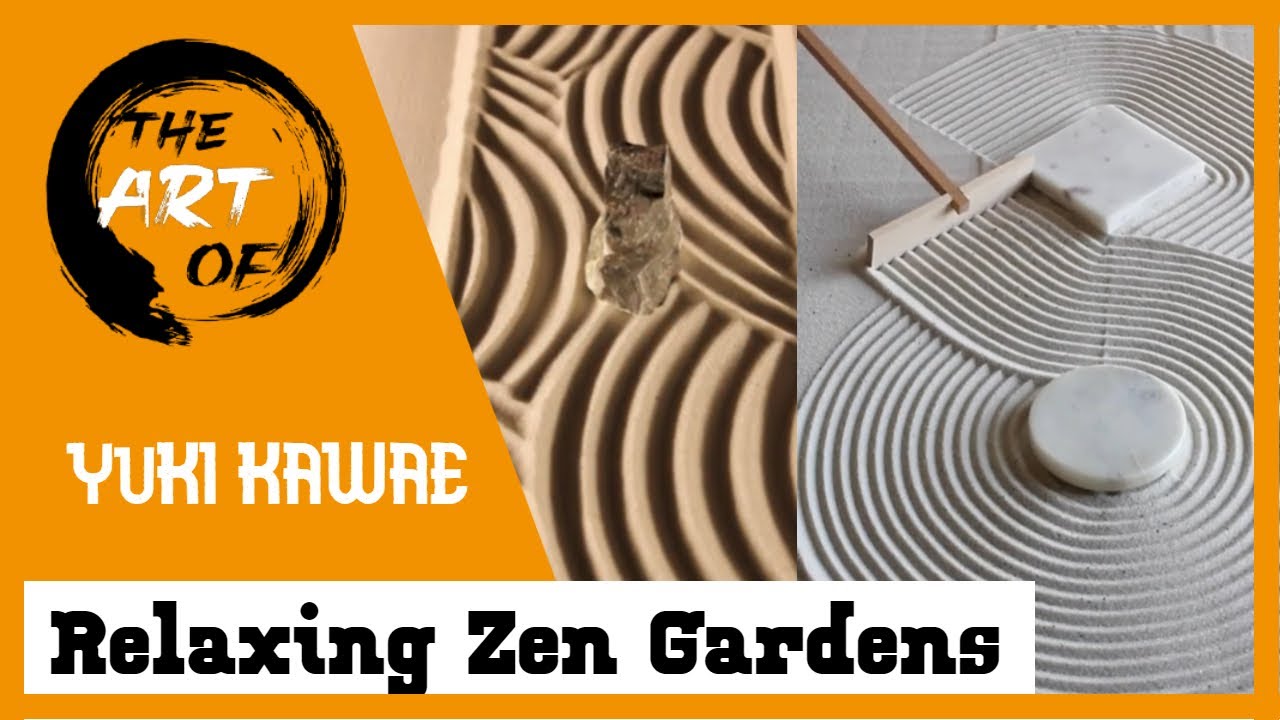
TLDR: This brief but absorbing piece of sand art demonstrates how sacred geometry—the use of precise, harmonious patterns rooted in natural and spiritual principles—can be created through deliberate, meditative hand movements. A wooden rake becomes the tool through which chaos transforms into order, each stroke flowing with absolute precision until a perfect Zen flower emerges. The work captures the essence of contemplative practice: the marriage of intention, skill, and surrender to the creative process itself.

Sacred geometry has long held significance across cultures and spiritual traditions as a visual language of universal order. In sand art, this principle becomes tangible and temporal—a practice where the artist works with impermanence as the foundational material itself. Yuki Kawae's approach to sand art is not mere decoration; it is a meditative discipline in which every movement carries intention and the outcome reveals patterns that reflect deeper principles of harmony and balance.

The wooden rake, ordinary in appearance, becomes an instrument of precision. In the hands of a skilled practitioner, it is no longer simply a tool but an extension of meditative awareness. The artist moves without hesitation—"without mistakes or doubts"—suggesting a state where thought and action have merged, where the work flows from a place of deep embodied knowledge rather than deliberation.

How Does the Artist Achieve Perfect Precision?

The transformation of sand into perfect geometry requires a specific quality of attention. Yuki Kawae works with "absolute precision that will leave you hypnotized in seconds," a phenomenon that speaks to both the technical mastery involved and the psychological effect of witnessing such focused intention. This precision is not rigid or tense; rather, the strokes flow with "incredible harmony," suggesting that accuracy and fluidity are not opposites but rather complementary aspects of the same meditative state.

The key to this achievement lies in the integration of several elements:

  • Embodied skill: Years of practice allow the artist to move the rake with consistent pressure, angle, and speed, translating intention directly into mark-making without conscious correction.
  • Mental clarity: The absence of doubt or hesitation indicates a state of mind free from second-guessing, where the artist trusts their trained hand and flows with the work.
  • Rhythm and timing: The strokes accumulate in sequence, each one building upon the last, creating a visual rhythm that guides the whole pattern toward completion.
  • Acceptance of the medium: Sand is inherently unstable and impermanent. Working with this material requires surrendering to its nature while simultaneously imposing precise geometric form upon it.

The result—an "impeccable Zen flower"—is not accidental but the inevitable outcome of this integrated practice. In Zen aesthetics, perfection and impermanence coexist; the work is complete and beautiful precisely because it will eventually be swept away or blown by wind.

What Role Does Visual Rhythm Play in Meditative Art?

The act of watching sand art unfold is itself a meditative experience. The viewer is drawn into a rhythm established by the artist's movements and the emerging pattern. Each stroke appears on the canvas, adding information incrementally, creating a sense of anticipation and inevitability. The repetition and regularity of geometric patterns naturally calm the nervous system, which explains why sand art videos are described as "the most relaxing video you'll see today."

This visual effect is not incidental or decorative—it is central to the work's purpose. When we watch a pattern emerge with precision and harmony, our own mental activity settles. The external order mirrors an order within, and witnessing it creates a space of inner calm. This is why sand art appears so frequently in contemplative practices and why it has become a widely consumed form of visual meditation in digital formats.

The "visual satisfaction" mentioned at the outset of the work is not superficial pleasure but a genuine neurological and psychological response to witnessing harmony and order externalized. The eye follows the emerging pattern, the mind tracks the progression, and in that tracking, discursive thought quiets.

How Does Impermanence Relate to Zen Aesthetics in Sand Art?

One of the most profound aspects of sand art is its acceptance of impermanence. Unlike a painting or sculpture created to endure, sand art is inherently temporary. Weather, human touch, or simple time will dissolve the work. This is not a flaw but a feature—it aligns the practice with core Zen principles about the nature of all phenomena.

By creating beauty in a medium destined to disappear, the artist embodies a spiritual understanding: that what matters is not the durability of the object but the quality of presence and intention brought to its creation. The work teaches both creator and observer that perfection and impermanence are not in conflict. The perfect geometry remains perfect even knowing it will fade.

This stance has deep roots in Japanese aesthetics. The concept of mono no aware (the pathos of things) celebrates the poignancy of transient beauty. Sand art in the Zen tradition echoes this sensibility—the work is precious because it is fleeting, complete because it accepts its own dissolution.

What Makes Sand Art a Form of Moving Meditation?

For the artist, sand art is a form of moving meditation or kinetic practice. Each stroke requires full presence; there is no room for distraction or habit. The hands must coordinate with the eyes and mind in real time. There is no time to "redo" or perfect in advance—each mark is made once, decisively. This demands a state of alert relaxation, where the body moves with trained certainty and the mind remains open to the immediate moment.

The viewer, too, enters a meditative state through observation. The repetitive, harmonious visual input reduces the brain's demand for novelty and stimulation. Stress hormones lower, breathing deepens, and the mind enters a more parasympathetic state. The work itself becomes a guide into stillness.

Where to Go From Here

If you are drawn to sand art and Zen aesthetics, consider exploring the following dimensions: seek out more works by Yuki Kawae and other sand artists to deepen your understanding of how different practitioners approach the medium. Practice close observation—watch not just for the final image but for the quality of movement and the rhythm of creation. If you are creatively inclined, consider trying sand art yourself, not necessarily to produce gallery-worthy results but to experience firsthand the meditative discipline it requires. Finally, reflect on how principles of precision, harmony, and acceptance of impermanence apply to your own creative and spiritual practice. The work of creating beauty in temporary materials offers a mirror for understanding how to live with intention despite—and perhaps because of—life's transient nature.

Transcript

[0:00] Visual satisfaction [music] or

[0:02] pure art. See how this wooden rake

[0:05] transforms a canvas of sand into

[0:06] perfect geometry. In the hands [music]

[0:09] of the artist Yuki Kawai, every movement

[0:11] becomes an absolute precision

[0:14] that will leave you hypnotized in seconds.

[0:16] Without mistakes or doubts, the [music]

[0:18] strokes flow with incredible harmony

[0:20] until they reveal an impeccable Zen flower.

[0:22] [music]

[0:23] This is the most relaxing video you'll see today

[0:25] and you won't be able to stop watching it until the

[0:27] end. [music]

[0:28] Like if you felt that inner peace and

[0:30] follow us for more moments of

[0:32] visual calm. [music]

YK
AuthorYuki Kawae

Watch more from Yuki Kawae on YouTube.

View profileWebsite
Explore Topics
Sacred-geometrySand-artZen-meditationVisual-artMeditative-practice

Got Questions?

Frequently Asked Questions

Sacred geometry refers to precise, harmonious patterns rooted in universal principles of order and balance. In sand art, it becomes tangible through deliberate rake movements that create patterns like geometric flowers, transforming sand into visual expressions of harmony that reflect both external precision and internal contemplative states.
Sand art induces calm through visual rhythm and repetition—the emerging geometric patterns naturally settle the nervous system. The orderly, incremental unfolding of the design gives the mind a focal point, allowing discursive thought to quiet and creating a parasympathetic response in the viewer.
In Zen aesthetics, impermanence is not a flaw but central to the work's spiritual meaning. Creating beauty in a temporary medium teaches that perfection and transience coexist, embodying the Buddhist principle that all phenomena are fleeting—and that what matters is the quality of presence, not the durability of the result.
Sand artists require embodied technical skill (consistent pressure and angle with the rake), mental clarity free from doubt, rhythmic timing, and acceptance of the medium's inherent instability. These combine to create a state where intention flows directly into mark-making without hesitation.
Yes—for the artist, sand art is a moving meditation requiring full presence and coordination of hands, eyes, and mind in real time. Each stroke is made once, decisively, demanding alert relaxation and training. This creates a state where thought and action merge completely.
In sand art, precision and fluidity are not opposites but complementary aspects of the same meditative state. The strokes flow with harmony while maintaining absolute accuracy, reflecting a trained body that moves without tension or correction, guided by deep embodied knowledge.
Sand art embodies key contemplative principles: the marriage of intention and surrender, the acceptance of impermanence, the pursuit of harmony and balance, and the understanding that beauty and meaning reside in the process itself, not merely in a durable final product.

Continue Reading

More on Inspiration

View All
Zen Gardens Design: Yuki Kawae's Viral Aesthetic Philosophy
Featured

Zen Gardens Design: Yuki Kawae's Viral Aesthetic Philosophy

Yuki Kawae explores the design principles behind viral zen gardens, revealing how minimalist aesthetics and intentional space create meditat…

1 min read
Zen Garden Raking: Karesansui Art for Calm and Meditation
Featured

Zen Garden Raking: Karesansui Art for Calm and Meditation

Explore how Yuki Kawae's karesansui (rock garden) raking practice creates meditative calm through intricate sand patterns and repetitive, in…

1 min read
Pyramid Archaeology: How Modern Technology Reveals Ancient Secrets
Featured

Pyramid Archaeology: How Modern Technology Reveals Ancient Secrets

An Egyptologist describes the shift from finding artifacts to measuring and analyzing pyramids with drone technology and 3D mapping.…

1 min read
Gabriel Drives the Waves: Modern Metal and Natural Mysticism
Featured

Gabriel Drives the Waves: Modern Metal and Natural Mysticism

A 24-second metal track blending alternative and modern metal aesthetics with nature imagery and voodoo mysticism. Experience raw sonic ener…

1 min read

Keep exploring

Continue your journey

More wisdom and gatherings from across the BrightStar directory.

More Articles

Browse the full library of teachings, interviews, and guides.

Back to all articles →

Teachers & Artists

Explore the lineages, musicians, and guides of the conscious world.

Explore artists →

Find an Event

Kirtan, retreats, sound baths, breathwork, festivals — happening soon.

Browse events →
Read more from BrightStarCreate Free Account
Host your own gatherings?Try the Demo