The Eternal Nature of Awareness
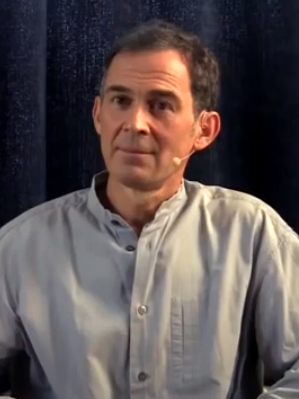
In the profound words of Rupert Spira, "You have always been awareness. You will always be awareness." This statement invites us to explore the essence of our being, suggesting that our true nature transcends the transient experiences of life. The significance of this teaching lies in its ability to liberate us from the confines of our conditioned identities, allowing us to recognize the unchanging awareness that underlies all existence. Understanding this can lead to a profound shift in how we perceive ourselves and our relationship with the world.
As we delve deeper into this quote, we uncover layers of meaning that challenge our conventional understanding of self. Awareness is not merely a passive observer; it is the very fabric of our existence. By asserting that we have always been and will always be awareness, Spira encourages us to look beyond the ephemeral nature of thoughts, emotions, and physical sensations. This realization can serve as a powerful anchor in our lives, guiding us toward a more authentic and fulfilling experience of being.
The image / the metaphor
The imagery in Spira's quote evokes a sense of timelessness and continuity. The verbs "have been" and "will be" suggest a journey that transcends the linear progression of time, inviting us to consider awareness as a constant presence. This felt sense of awareness is akin to the sky, which remains unchanged despite the passing clouds of thoughts and feelings. Just as the sky holds space for all weather conditions, awareness holds space for all experiences, allowing us to witness them without becoming entangled.
Diving deeper into the metaphor, we can see that awareness is not merely a backdrop for our experiences; it is the essence of who we are. The notion of being "always" aware implies a depth of existence that is unshakeable and profound. This awareness is not something we acquire or lose; it is our fundamental nature, akin to the ocean that remains vast and deep, regardless of the waves that surface. By recognizing ourselves as this awareness, we can cultivate a sense of peace and stability amidst the chaos of life.
In the speaker's tradition
Rupert Spira's teachings are rooted in the non-dual tradition, which emphasizes the unity of all existence and the illusion of separation. Concepts such as *advaita* (non-duality) and *sunyata* (emptiness) resonate deeply with the essence of Spira's message. In this context, awareness is not a separate entity but rather the fundamental ground of being from which all phenomena arise. This understanding aligns with the idea of *kenosis*, or self-emptying, where one relinquishes the false sense of self to realize the true nature of awareness.
A relevant text that echoes this sentiment is the *Upanishads*, which articulate the idea that the ultimate reality, *Brahman*, is synonymous with the self, or *Atman*. The *Chandogya Upanishad* states, "Tat tvam asi," meaning "You are That," reinforcing the notion that our true essence is not separate from the universal consciousness. This ancient wisdom complements Spira's assertion, inviting us to explore the depths of our being and recognize our inherent connection to all that is.
Living the teaching
Consider a modern scenario where this teaching might resonate: a person grappling with anxiety about their future. In moments of uncertainty, it is easy to become lost in the whirlwind of thoughts and fears, identifying solely with the transient emotions that arise. However, by remembering that they are fundamentally awareness, this individual can step back from the chaos and observe their thoughts without attachment. This shift allows them to experience a sense of calm and clarity, recognizing that their true nature is not defined by their circumstances.
This teaching can also be applied in relationships, particularly during conflicts. When faced with a disagreement, one might feel overwhelmed by emotions and the urge to defend their position. By grounding themselves in the understanding that they are awareness, they can approach the situation with greater compassion and openness. This perspective fosters a space for genuine dialogue, allowing both parties to connect beyond their egos and recognize the shared essence of their being.
A reflection
As we contemplate the depth of Spira's quote, we are invited to ask ourselves: "In what ways do I identify with my thoughts and emotions, and how might I shift my perspective to recognize my true nature as awareness?" This question encourages a reflective practice, inviting us to explore the layers of our identity and the potential for liberation that lies in recognizing our essence. By engaging with this inquiry, we can begin to cultivate a deeper understanding of ourselves and our place within the tapestry of existence.



Join the BrightStar Community
Stay connected with daily inspiration, event announcements, and community wisdom