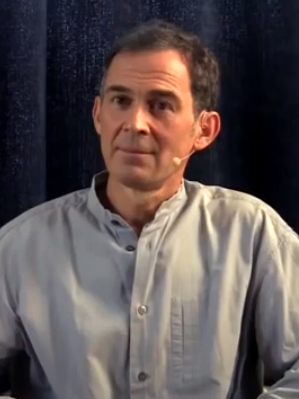
The Depth of Attention: A Journey into Presence
Rupert Spira's profound statement, "Pay attention to the one who is paying attention," invites us to explore the very nature of awareness itself. This quote serves as a gentle reminder that beneath our thoughts and distractions lies a deeper layer of consciousness that is often overlooked. By turning our focus inward, we can cultivate a richer understanding of our own experience and the essence of being. This inquiry into attention is not merely an intellectual exercise; it is a pathway to deeper presence and connection with ourselves and the world around us.
In a world filled with noise and constant stimulation, the act of paying attention can feel both challenging and transformative. Spira's invitation encourages us to shift our gaze from the myriad of external distractions to the quiet observer within. This shift is not just about mindfulness; it is an exploration of the witness consciousness that observes our thoughts, emotions, and experiences without attachment. By engaging in this inquiry, we can uncover the profound stillness that exists at the core of our being, leading us to a more authentic and meaningful existence.
The image / the metaphor
The imagery in Spira's quote evokes a sense of duality between the observer and the observed. The phrase "pay attention" suggests an active engagement, a deliberate choice to focus on something of significance. The repetition of "attention" emphasizes its importance, while the shift to "the one who is paying attention" introduces a layer of introspection. This transition from the external to the internal invites us to consider not just what we are aware of, but who is doing the observing. It is a call to recognize the essence of our own consciousness, the silent witness that resides within.
Diving deeper into the metaphor, we can see that this quote serves as a bridge between the mundane and the profound. The act of paying attention is often associated with external stimuli—sounds, sights, and sensations. However, Spira's invitation urges us to redirect that attention inward, to the very essence of our being. This inward gaze reveals the interconnectedness of all experiences and the underlying unity that exists beyond the surface of our thoughts and perceptions. In this way, the quote becomes a guiding light, illuminating the path toward self-discovery and deeper understanding.
In the speaker's tradition
Rupert Spira's teachings are deeply rooted in the non-dual tradition, which emphasizes the oneness of existence and the interconnectedness of all beings. Concepts such as *sunyata* (emptiness) and *fana* (annihilation of the self) resonate with the essence of Spira's quote. In non-dual philosophy, the distinction between the observer and the observed dissolves, revealing that the witness is not separate from the experience itself. This understanding invites us to explore the nature of our own consciousness and the realization that we are both the observer and the observed, a dance of awareness that transcends duality.
A relevant text that echoes this sentiment is the *Ashtavakra Gita*, which speaks to the nature of the self and the importance of recognizing our true essence. In this ancient scripture, the dialogue between the seeker and the sage reveals the profound understanding that liberation comes from recognizing the witness within. Just as Spira encourages us to pay attention to the one who is paying attention, the *Ashtavakra Gita* invites us to see beyond the fluctuations of the mind and discover the stillness that lies at the heart of our being.
Living the teaching
Consider a modern scenario where this teaching can be applied: during a busy day at work, distractions abound—emails, phone calls, and the constant buzz of activity. In such moments, it is easy to become lost in the chaos, reacting to external demands without awareness. By consciously choosing to "pay attention to the one who is paying attention," we can step back and observe our thoughts and feelings as they arise. This practice allows us to create a space of calm amidst the storm, enabling us to respond with clarity and intention rather than react impulsively.
Another application of this teaching can be found in our relationships. Imagine a conversation with a loved one where emotions run high, and misunderstandings arise. By turning our attention inward and recognizing the witness within, we can cultivate empathy and understanding. Instead of becoming entangled in the emotional turbulence, we can observe our reactions and the dynamics at play. This shift in perspective fosters deeper connections and allows for more compassionate communication, ultimately enriching our relationships and enhancing our shared experience.
A reflection
As we contemplate Spira's invitation to "pay attention to the one who is paying attention," we are called to engage in a deeper inquiry into our own consciousness. What does it mean to be the observer of our thoughts and experiences? In moments of stillness, we can ask ourselves: How can I cultivate a greater awareness of the witness within me? This question invites us to explore the layers of our being and encourages a journey toward self-discovery and presence, illuminating the path to a more authentic and connected life.



Join the BrightStar Community
Stay connected with daily inspiration, event announcements, and community wisdom