The Essence of Awareness: A Journey Beyond Identification
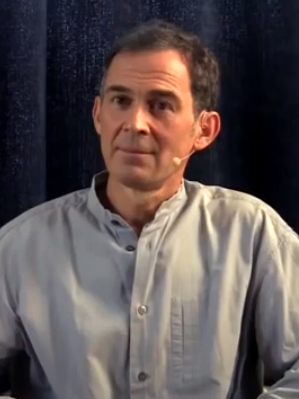
Rupert Spira's assertion that "Awareness is the natural state. Identification is the deviation" invites us to explore the profound distinction between our inherent state of being and the layers of identity that often obscure it. In this statement, Spira emphasizes that awareness is not something we need to cultivate; rather, it is our fundamental nature. The challenge lies in recognizing how we often stray from this natural state through identification with thoughts, emotions, and external circumstances. Understanding this distinction is crucial for anyone seeking a deeper sense of peace and clarity in their lives.
As we delve into this quote, we uncover a rich tapestry of meaning that speaks to the heart of human experience. Awareness, in its purest form, is a state of presence that transcends the ego and its myriad attachments. Identification, on the other hand, represents the myriad ways we entangle ourselves in the narratives we create about who we are. This deviation from our natural state leads to suffering and confusion, making it imperative to explore how we can return to the simplicity of awareness. The stakes are high; in reclaiming our awareness, we can find liberation from the burdens of identity.
The image / the metaphor
At the core of Spira's quote lies a vivid image of two contrasting states: awareness as a vast, open sky and identification as the clouds that obscure it. Awareness, in this metaphor, is expansive and unbounded, representing the essence of our being that is always present, regardless of external circumstances. Identification, conversely, is akin to the clouds that momentarily block the sun, creating the illusion of separation and limitation. The verbs chosen—"is" and "deviation"—suggest a fundamental truth about our existence and the ways we often stray from it.
Delving deeper into this metaphor, we can see how identification manifests in our daily lives. Just as clouds can shift and change, so too can our identities be fluid, shaped by experiences, relationships, and societal expectations. Yet, the sky remains constant, symbolizing the enduring nature of awareness that exists beneath these transient clouds. This imagery serves as a reminder that while identification may feel real and substantial, it is ultimately a temporary deviation from the unchanging essence of who we are.
In the speaker's tradition
Rupert Spira's teachings are rooted in the non-dual tradition, which emphasizes the unity of all existence and the illusory nature of separation. Concepts such as *sunyata* (emptiness) and *fana* (annihilation of the self) resonate deeply with Spira's assertion. In this context, awareness is seen as the ultimate reality, while identification with the ego is viewed as a misunderstanding of our true nature. This perspective invites us to explore the depths of our being, recognizing that our essence is not defined by our thoughts or identities but by the awareness that witnesses them.
In the *Upanishads*, a foundational text of non-dual philosophy, we find echoes of Spira's insights. The *Tat Tvam Asi* (That Thou Art) teaching encapsulates the idea that our true self is not separate from the universal consciousness. This ancient wisdom aligns seamlessly with Spira's assertion, reinforcing the notion that awareness is our natural state, while identification with the ego is a deviation from this truth. By situating Spira's quote within this rich tradition, we can appreciate the depth and significance of his message.
Living the teaching
Consider a modern scenario where this teaching can be applied: a stressful day at work where one feels overwhelmed by deadlines and expectations. In such moments, it is easy to become identified with the role of "employee" or "performer," losing sight of the awareness that exists beyond these labels. By taking a moment to pause and reconnect with the natural state of awareness, one can step back from the chaos, recognizing that their true essence is not defined by the pressures of the job. This shift in perspective can lead to greater clarity and a sense of calm amidst the storm.
Another application of this teaching can be found in relationships, particularly during conflicts. When disagreements arise, it is common to identify with our opinions or emotions, leading to defensiveness and disconnection. However, by cultivating awareness, we can observe our reactions without becoming entangled in them. This practice allows for a more compassionate response, fostering understanding and connection rather than division. In these moments, the teaching of awareness as our natural state becomes a powerful tool for navigating the complexities of human interaction.
A reflection
As we contemplate Spira's profound statement, we are invited to reflect on our own experiences of awareness and identification. What are the identities or roles that you find yourself clinging to, and how do they shape your perception of reality? In moments of stillness, consider how it feels to simply be aware, free from the weight of these identifications. This inquiry can lead to a deeper understanding of your true nature and the liberation that comes from recognizing awareness as the essence of your being.



Join the BrightStar Community
Stay connected with daily inspiration, event announcements, and community wisdom