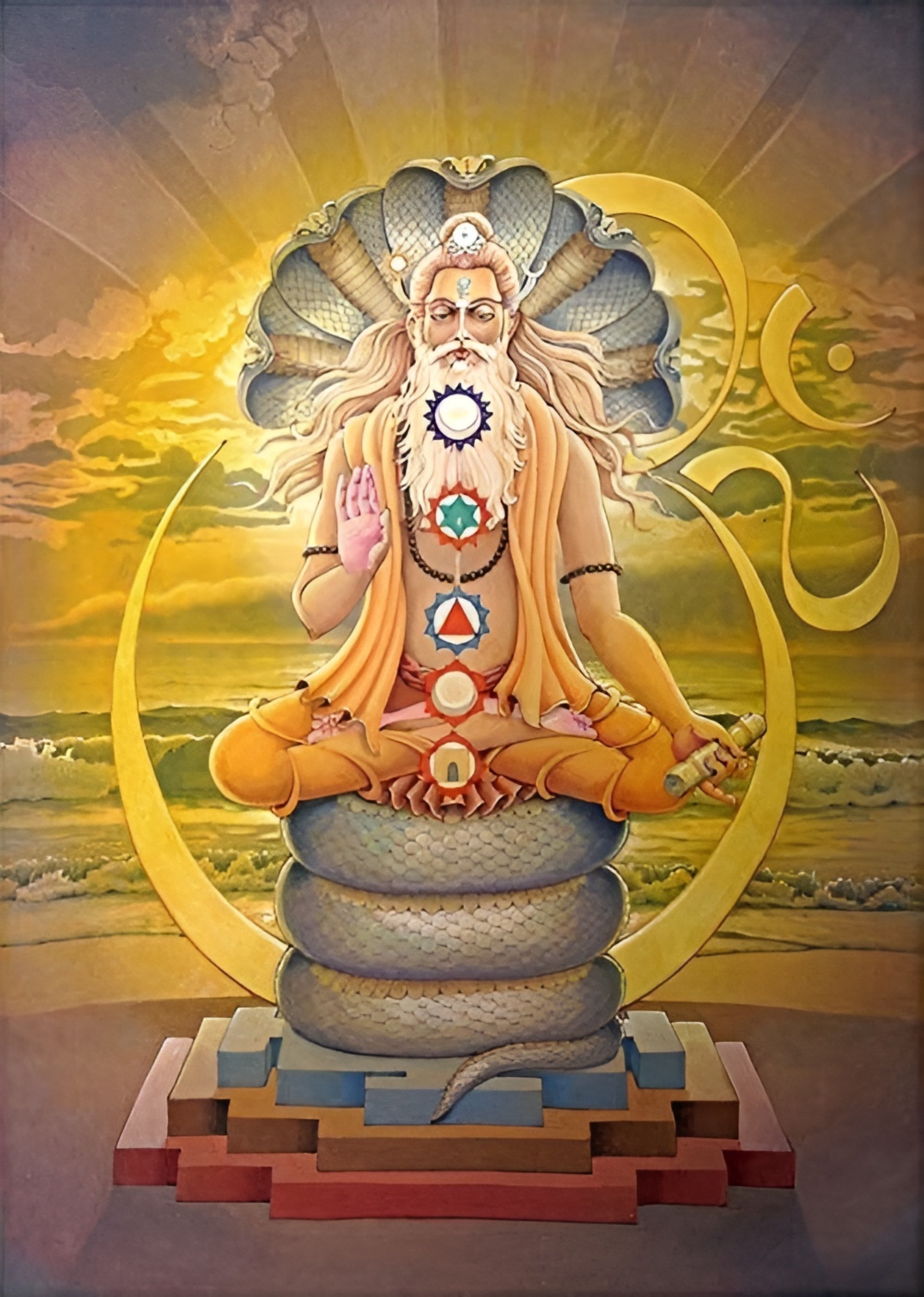
The Dance of Pain and Aversion: A Contemplation on Patanjali's Insight
In the succinct wisdom of Patanjali, "Aversion follows pain," we encounter a profound truth about the human experience. This statement encapsulates the intricate relationship between our emotional responses and the sensations we endure. Understanding this connection is crucial, as it illuminates how our aversions can shape our lives, often leading us away from growth and deeper understanding. In recognizing this dynamic, we can begin to navigate our inner landscapes with greater awareness and compassion.
Delving deeper, we find that this quote speaks not only to the immediate reactions we have to discomfort but also to the broader implications of our aversions. Pain, whether physical or emotional, can trigger a reflexive desire to escape or reject the source of that discomfort. Yet, this aversion can entrap us in a cycle of avoidance, preventing us from fully engaging with our experiences and the lessons they may hold. By examining this cycle, we open ourselves to the possibility of transformation and healing.
The image / the metaphor
Patanjali's words evoke a vivid image of a dance between pain and aversion, where one leads to the other in a seemingly endless loop. The verb "follows" suggests a natural progression, as if aversion is a shadow cast by the light of pain. This imagery invites us to consider how our emotional responses are not merely reactions but are deeply intertwined with our experiences. The felt sense of this relationship can be visceral; when we encounter pain, our instinct is often to recoil, to turn away, as if the very act of facing it would deepen our suffering.
Going deeper into this metaphor, we can see that aversion is not just a passive response but an active choice to disengage from our reality. It represents a defense mechanism, a way to shield ourselves from further hurt. However, this choice can lead to a disconnection from our true selves and the world around us. By recognizing aversion as a response to pain, we can begin to question its validity and explore the possibility of embracing our experiences, even when they are uncomfortable.
In the speaker's tradition
Patanjali's insights are rooted in the rich tradition of yoga, which emphasizes the importance of self-awareness and the cultivation of inner peace. Central to this tradition is the concept of dharma, or one's duty, which encourages individuals to confront their pain and aversions with courage and clarity. This approach aligns with the practice of kenosis, the act of emptying oneself of preconceived notions and attachments, allowing for a more profound engagement with the present moment. In this light, aversion can be seen as an obstacle to fulfilling one's dharma, as it often leads us away from the path of self-discovery and growth.
Moreover, the Yoga Sutras themselves offer a framework for understanding the nature of suffering and the path to liberation. In Sutra 2.16, Patanjali states, "The pain that has not yet come is avoidable." This suggests that by addressing our aversions and the pain they stem from, we can prevent future suffering. The practice of mindfulness and self-inquiry becomes essential, as it allows us to confront our aversions and transform them into opportunities for growth and understanding.
Living the teaching
Consider a modern scenario where this teaching resonates: a person faces a challenging work environment filled with stress and conflict. The immediate reaction may be to avoid interactions with difficult colleagues, leading to a cycle of isolation and increased anxiety. By recognizing that aversion follows pain, this individual can begin to explore the root of their discomfort, perhaps uncovering fears of inadequacy or rejection. Instead of retreating, they might choose to engage with their colleagues, fostering open communication and ultimately transforming their work experience.
In a different context, let us reflect on relationships. When faced with emotional pain, such as a disagreement with a loved one, the instinct may be to withdraw or lash out in anger. This aversion can create a rift, deepening the pain rather than resolving it. By acknowledging that aversion follows pain, one can choose to approach the situation with vulnerability and openness, inviting dialogue and understanding. This shift not only alleviates immediate discomfort but also strengthens the bond between individuals, fostering a deeper connection rooted in empathy.
A reflection
As we contemplate Patanjali's insight, we are invited to reflect on our own lives: What aversions do we hold that stem from past pains? How might embracing these experiences, rather than avoiding them, lead us to a more profound understanding of ourselves and our relationships? In this inquiry, we find the seeds of transformation, as we learn to navigate the delicate dance between pain and aversion with grace and awareness.





Join the BrightStar Community
Stay connected with daily inspiration, event announcements, and community wisdom