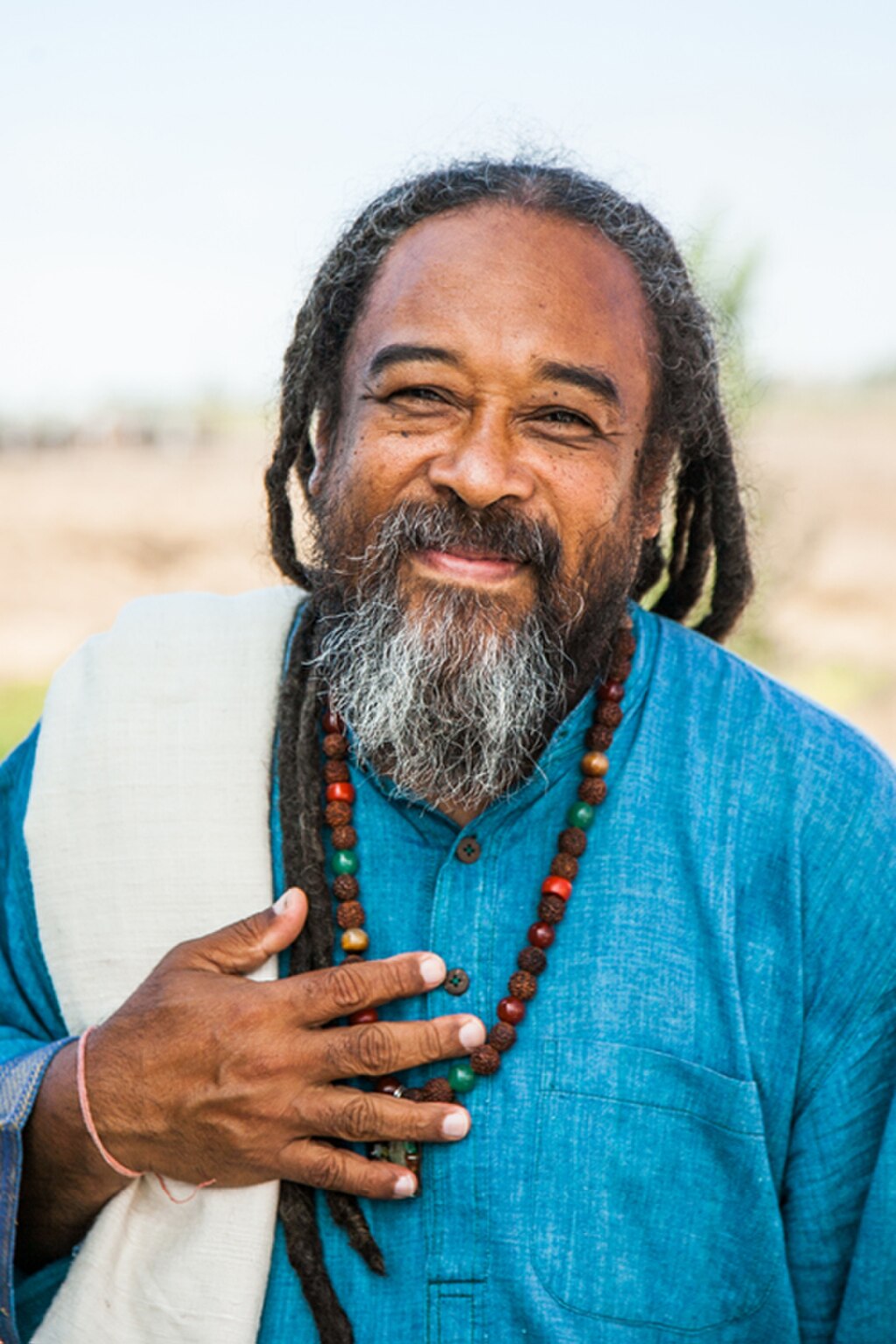
The Essence of Awareness: Embracing What Is
Mooji's profound assertion, "What is, is. Awareness simply knows it," invites us into a contemplative space where reality is acknowledged without resistance. This statement encapsulates the essence of non-dual awareness, suggesting that our true nature is not to alter or judge what exists but to recognize and embrace it as it is. In a world often characterized by striving and discontent, this teaching serves as a gentle reminder of the power of acceptance and the clarity that arises from simply being aware.
At its core, this quote challenges the habitual patterns of thought that lead us to believe we must change our circumstances to find peace. It emphasizes that awareness itself is a constant, unchanging presence that simply observes the flow of life. By understanding this, we can cultivate a deeper relationship with our experiences, allowing us to navigate the complexities of existence with grace and equanimity. The stakes are high; in a society that often equates worth with achievement, Mooji's words beckon us to a more profound understanding of our inherent nature.
The image / the metaphor
The imagery in Mooji's quote is strikingly simple yet deeply evocative. The phrase "What is, is" suggests a state of being that is unadorned and raw, a recognition of reality in its purest form. The verb "knows" implies a gentle awareness, one that does not interfere or impose but rather observes with clarity. This awareness is akin to a vast sky, encompassing all experiences without judgment, allowing the clouds of thought and emotion to pass through without clinging to them.
Diving deeper into the metaphor, we can envision awareness as a still lake reflecting the world around it. The surface may ripple with the winds of change, yet the depths remain undisturbed. In this way, Mooji invites us to cultivate a similar stillness within ourselves, where we can witness the unfolding of life without becoming entangled in its dramas. This metaphor serves as a powerful reminder that our true essence is not defined by the transient events of our lives but by the unwavering awareness that observes them.
In the speaker's tradition
In the *Upanishads*, a foundational text of non-dual thought, we find echoes of Mooji's message. The *Taittiriya Upanishad* states, "That art thou," pointing to the inherent unity between the individual and the cosmos. This profound realization mirrors Mooji's assertion that awareness simply knows what is, inviting us to recognize our interconnectedness with all that exists. Such texts remind us that the journey toward understanding our true nature is not merely intellectual but experiential, rooted in the direct recognition of our awareness.
Living the teaching
Consider a modern scenario where this teaching can be applied: a busy professional facing the pressures of deadlines and expectations. In the midst of this chaos, the practice of simply being aware of one's thoughts and feelings can transform the experience. Instead of becoming overwhelmed by the urgency of tasks, one can pause and acknowledge the reality of the moment—recognizing stress, fatigue, or anxiety without judgment. This shift in perspective allows for a more grounded approach to work, fostering clarity and focus rather than reactionary behavior.
In relationships, Mooji's teaching can also provide a profound lens through which to navigate challenges. Imagine a conflict arising between partners, where emotions run high and misunderstandings abound. By embodying the principle of awareness, each person can take a step back to observe their feelings and reactions without immediately reacting. This practice of awareness fosters a space for empathy and understanding, allowing both individuals to connect with the essence of their shared humanity rather than becoming lost in the turmoil of the moment. In this way, the teaching becomes a tool for deeper connection and healing.
A reflection
As we contemplate Mooji's words, we are invited to explore the nature of our own awareness. What does it mean to simply know what is, without the need to change or resist it? In moments of difficulty or uncertainty, how can we cultivate a sense of presence that allows us to embrace reality as it unfolds? These questions serve as a gateway into a deeper understanding of ourselves and our relationship with the world, encouraging us to engage with life from a place of acceptance and clarity.



Join the BrightStar Community
Stay connected with daily inspiration, event announcements, and community wisdom