EveryEvent Costa Rica

Parcourir tous les Events

Find every event in Costa Rica

events

Concerts & Live Music
Festivals
Sports & Recreation
Food & Drink
Arts & Culture
Community
Family & Kids
Nightlife
Comedy
Theater
Destinations populaires
BaliSedonaLos AngelesCosta RicaNew YorkSan FranciscoAustinMiamiJoshua TreeTulum
Voir toutes les catégoriesVoir toutes les destinations

Explorer toutes les fonctionnalités

Des outils puissants pour développer vos événements

Fonctionnalités de la plateforme

Tarification dynamique intelligente
Catégories de billets
Places assignées
Récupération des paniers abandonnés
Récupération des visiteurs
Dons & Prix variables
Système d'affiliation
Scanner de billets
Codes promo
Questions personnalisées
Partage de billets
Ventes additionnelles & Options
Analyses & Rapports
Séquences d'emails
Liste d'attente / Notifier / Rappeler
Explorer
Discovery HubArtists & PerformersVenuesKnowledge Base
Voir toutes les fonctionnalitésÀ propos
TarifsBlog
Parcourir tous les événements

events

Concerts & Live MusicFestivalsSports & RecreationFood & DrinkArts & CultureCommunityFamily & KidsNightlife

Destinations populaires

BaliSedonaLos AngelesCosta RicaNew YorkSan Francisco

Explorer

Discovery HubArtists & PerformersVenuesKnowledge Base

Fonctionnalités de la plateforme

Tarification dynamique intelligenteCatégories de billetsPlaces assignéesRécupération des paniers abandonnésRécupération des visiteursDons & Prix variablesSystème d'affiliationScanner de billetsCodes promoQuestions personnaliséesPartage de billetsVentes additionnelles & OptionsAnalyses & RapportsSéquences d'emailsListe d'attente / Notifier / Rappeler
Voir toutes les fonctionnalitésÀ propos
TarifsBlog
ConnexionS'inscrireOrganisateurs d'événements
  • Browse All Events
  • Concerts & Live Music
  • Festivals
  • Sports & Recreation
  • Food & Drink
  • Arts & Culture
  • Community
  • Family & Kids
  • Nightlife
  • Toutes les catégories →
  • All Destinations →
  • For Promoters
  • For Artists
  • For Venues
  • For Festivals
  • For Event Spaces
  • For Nonprofits
  • For Bloggers
  • For Speakers
  • Brand Ambassador
  • Case Studies
  • Réseau de 350K+ acheteurs
  • Récupération des paniers abandonnés
  • Tarification dynamique intelligente
  • Catégories de billets
  • Événements récurrents
  • Places assignées
  • Système d'affiliation
  • Liste d'attente / Notifier
  • Scanner de billets
  • Widget intégrable
  • Toutes les fonctionnalités →
  • À propos
  • The Ecosystem
  • Blog
  • Glossaire
  • Inspiration
  • Centre d'aide
  • Contact
  • Documentation API
  • Ressources de marque
  • Carrières
  • Presse
  • Conditions d'utilisation
  • Politique de confidentialité

Events

  • Browse All Events
  • Concerts & Live Music
  • Festivals
  • Sports & Recreation
  • Food & Drink
  • Arts & Culture
  • Community
  • Family & Kids
  • Nightlife
  • Toutes les catégories →

Getaways

  • All Destinations →

For Organizers

  • For Promoters
  • For Artists
  • For Venues
  • For Festivals
  • For Event Spaces
  • For Nonprofits
  • For Bloggers
  • For Speakers
  • Brand Ambassador
  • Case Studies

Fonctionnalités

  • Réseau de 350K+ acheteurs
  • Récupération des paniers abandonnés
  • Tarification dynamique intelligente
  • Catégories de billets
  • Événements récurrents
  • Places assignées
  • Système d'affiliation
  • Liste d'attente / Notifier
  • Scanner de billets
  • Widget intégrable
  • Toutes les fonctionnalités →

Entreprise

  • À propos
  • The Ecosystem
  • Blog
  • Glossaire
  • Inspiration
  • Centre d'aide
  • Contact
  • Documentation API
  • Ressources de marque
  • Carrières
  • Presse
  • Conditions d'utilisation
  • Politique de confidentialité
EveryEvent
© 2026 EveryEvent Costa Rica. Tous droits réservés.
Inspire

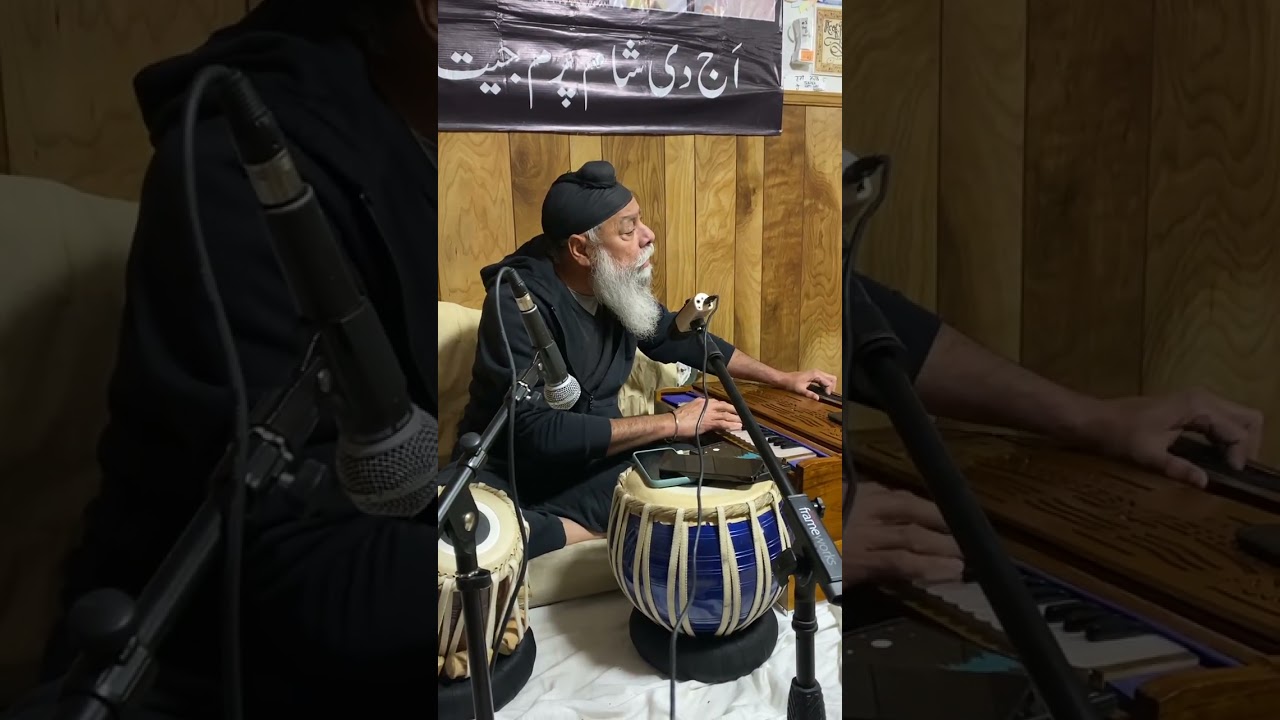
Raag & Gurbani: Professor ParamjeetSingh's Live Kirtan Performance

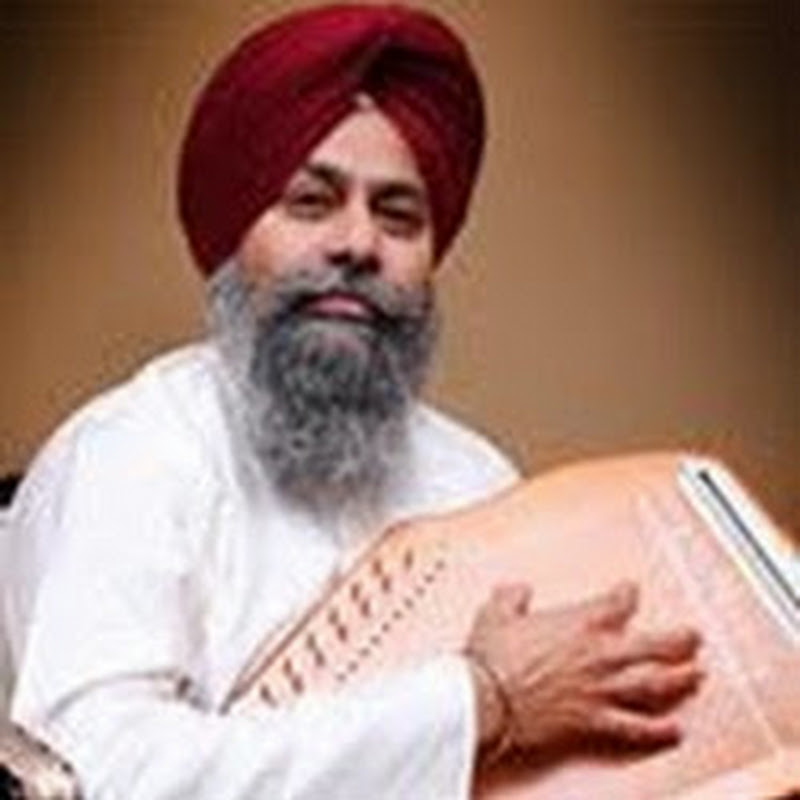
Professor Paramjeet Singh
May 24, 2025
9 min read

TLDR: At the 2025 Mahan Kirtan Darbar in Toronto, Professor Paramjeet Singh of the Patiala Gharana performed four Gurbani compositions set in distinct North Indian classical raags: Mere Man Bhaj Raam Naam Sabh Arthaa in Raag Jaitsree, Gur Poora Kirpa Dharee in Raag Megh/Sarang, Khalsa Mero Roop Hai Kaas in Raag Rageshri, and Man Japo Raam Gopal (Partaal) in Raag Darbari Kanada. The performance demonstrates the integration of Hindustani classical music with Sikh devotional texts, preserving a sacred musical lineage that combines rigorous technical command with heartfelt spiritual expression.

Read · 11 sections

What is Gurmat Sangeet and why does raag matter?

Gurmat Sangeet—the sacred music of the Sikh tradition—belongs to a specific lineage of devotional practice in which classical North Indian raags serve as containers for spiritual meaning rather than mere ornamental frameworks. The raag is not decoration; it is architecture. Each raag carries inherent emotional and sonic properties that, when matched with Gurbani (sacred Sikh scripture), deepen the listener's access to the text's meaning. Professor Paramjeet Singh, trained in the Patiala Gharana—a school of Hindustani classical vocalism known for its rich, expressive vocal techniques—brings this integration into focus. The raag establishes a melodic and rhythmic field; the Gurbani lyrics work within that field as devotional content. Together, they create what practitioners call rasa—the emotional essence or flavor that moves the listener inward.

How does Raag Jaitsree frame the opening composition?

The performance opens with Mere Man Bhaj Raam Naam Sabh Arthaa ("O my mind, meditate on the Ram naam; this is all that matters") set in Raag Jaitsree. This raag, characterized by its gentle and contemplative mood, emphasizes the notes in a way that invites introspection. The text itself is a direct call to the mind to engage in bhaj—devotional singing and remembrance—of the divine name. Paramjeet Singh's rendering allows the repetition of the phrase to become meditative rather than mechanical. The raag's contours support this: Jaitsree does not demand virtuosic display but rather sustained, inward focus. As the performance progresses through variations and elaborations, the message remains constant: the name of God encompasses all purpose and wealth. This opening sets a devotional tone for the entire event.

What does Raag Megh/Sarang convey in the second composition?

The second piece, Gur Poora Kirpa Dharee ("The Perfect Guru has bestowed grace"), moves into Raag Megh (also associated with Sarang). This raag is traditionally linked to the monsoon season and carries qualities of nurturing abundance and gentle rain. The composition emphasizes the Guru's role as the dispenser of divine mercy and grace. Paramjeet Singh's interpretation focuses on the phrase "Gur Poora Kirpa Dharee"—the complete, perfect Guru has granted grace—and explores it through the raag's characteristic emphasis on certain note relationships that create a sense of arrival and fulfillment. The lyrics expand: "Without the Guru's name firmly established in the heart, life is in vain." The raag becomes the sonic vessel for this teaching about the necessity of the Guru's guidance. Megh/Sarang's traditional association with abundance and blessing aligns the musical form with the spiritual content.

Why does Raag Rageshri suit compositions about the Khalsa?

The third composition, Khalsa Mero Roop Hai Kaas ("The Khalsa is my very form and image"), enters Raag Rageshri—a raag often described as having regal, majestic, and spiritually elevated qualities. The text declares that the Khalsa (the community of initiated Sikhs, and more broadly, the spiritually purified) is the Divine's own form. This is not a subtle claim; it is a proclamation of the sacred nature of the Khalsa collective and individual identity. Rageshri's musical character—marked by bold, confident note progressions and a sense of grandeur—supports this declaration. Paramjeet Singh's performance of this raag emphasizes its strength and clarity. The raag's traditional use in devotional contexts for invoking transcendence and divine majesty makes it an apt container for affirming the sanctity of the Khalsa. The composition repeats and elaborates on this core idea: "May the Khalsa remain in my heart always; the Khalsa is my very form."

What is the significance of Partaal and Raag Darbari Kanada?

The final piece, Man Japo Raam Gopal, is performed in what Paramjeet Singh announces as Partaal—a conclusion or closing form—set in Raag Darbari Kanada. Darbari Kanada is one of the most profound and sophisticated raags in the Hindustani classical tradition, traditionally performed in the early morning and known for its contemplative, sometimes melancholic but ultimately redemptive character. The text, "O mind, meditate on Ram, the divine cowherd," is a gentle reminder that even at the close of a kirtan event, the fundamental practice remains: remembrance of the divine name. Paramjeet Singh's performance of this Partaal becomes a benediction. The raag's deep, introspective quality creates space for listeners to internalize what they have heard. Darbari Kanada does not rush; it unfolds with deliberation and depth. In the context of a closing piece, this raag honors the listener's journey through the evening while leaving them with a sense of profound peace and continued spiritual aspiration.

How does the Patiala Gharana influence this performance?

The Patiala Gharana, associated with vocalists such as Ustad Fateh Ali Khan and his descendants, is known for a singing style characterized by rich ornamentation, deep breath control, and emotional intensity. Paramjeet Singh, trained in this tradition, brings these qualities to his Gurbani renderings. The Patiala style emphasizes alaap (slow, unmetered exploration of the raag), taan (fast, flowing melodic passages), and meend (gliding between notes). In the recorded performance, listeners can hear these technical elements woven throughout: the sustained notes allow the raag to unfold fully; the faster passages demonstrate control and precision; the gliding movements create an emotional continuity that draws the listener deeper into the text. This gharana's approach is not about superficial beauty but about using technical mastery to serve the spiritual content. Every ornament, every improvisation, is designed to illuminate the meaning of the sacred words.

What role does repetition play in the kirtan structure?

Kirtan traditionally employs repetition as a meditative and devotional tool. A phrase or refrain is sung multiple times, often with variations, allowing the listener—and the singer—to enter a state of heightened awareness and connection. In this performance, phrases such as "Mere man bhaj raam naam" recur throughout the first section, and "Khalsa mero roop hai" anchors the third piece. This repetition is not redundancy; it is accumulation. Each repetition deepens familiarity, moves the phrase from intellectual understanding into embodied knowledge. The variations Paramjeet Singh introduces—changes in ornamentation, melodic emphasis, and rhythm—keep the repetition alive and prevent it from becoming mechanical. The listener's mind, encountering the same words in new sonic contexts, engages with fresh attention. This is how kirtan functions as spiritual practice: the combination of fixed text and varied musical expression creates a unique state of consciousness.

How does the Gurbani text relate to the divine name?

A recurring theme across all four compositions is the power and centrality of the divine name (Ram naam, Hari naam, Wahiguru). In Sikh theology and practice, the name is not merely a label but a direct expression of the divine presence. To chant or remember the name is to align oneself with ultimate reality. Paramjeet Singh's performances emphasize this through both lyrical content and musical focus. In Jaitsree, the opening text declares that the name encompasses "all purpose and meaning" (sabh arthaa). In the Megh piece, the Guru's grace is tied to the establishment of the name in the heart. In Darbari Kanada, the final exhortation is simply to meditate on this name. The raags, in turn, provide the sonic environment in which this remembrance can occur. The classical structures of North Indian music—with their emphasis on rasa, mood, and deep introspection—align naturally with the Sikh emphasis on naam simran (name remembrance) as the core spiritual practice.

What is the relationship between the Guru and the devotee in these compositions?

Several of the texts reference the Guru's role in granting grace, bestowing wisdom, and guiding the lost soul. In Sikh tradition, the Guru is not a personality to be worshipped but a principle—the voice of divine truth, accessible through the scripture (Guru Granth Sahib) and through qualified teachers. The second composition, "Gur Poora Kirpa Dharee," emphasizes that the perfect Guru has already extended grace; the devotee's role is to recognize and receive it. Later lyrics in the performance expand this: "Without the Guru, the mind becomes confused, lost in attachment and illusion. Without serving the saints and taking their refuge, all births are without protection." This is not pessimism but realism about the human condition. The Guru represents liberation from this condition. Paramjeet Singh's musical rendering of these texts—particularly in the solemn, introspective passages—conveys both the gravity of the human predicament and the relief and joy that comes from alignment with the Guru's teaching.

How does Khalsa identity feature in the spiritual vision presented?

The third composition's declaration—"Khalsa Mero Roop Hai Kaas"—is striking in its boldness. It asserts that the Khalsa (the spiritually initiated and purified collective) is the divine's own form and image. This is not metaphorical softness; it is a firm assertion of sacred identity. Historically, the Khalsa emerged as a martial and spiritual brotherhood founded by Guru Gobind Singh in 1699, designed to be exemplars of courage, justice, and uncompromising faith. In contemporary usage, "Khalsa" can refer to any initiated Sikh or, more broadly, to the ideal of spiritual purity and strength. Paramjeet Singh's rendering in Raag Rageshri—a raag of majesty and transcendence—gives musical form to this assertion. The composition does not ask: it declares. The repetition of the phrase, the strong melodic contours of the raag, and the vocal confidence of the performance all reinforce the message that this identity is not tentative or conditional but intrinsic. It is a teaching about the sacred nature of the self when aligned with divine will.

Where to go from here?

For listeners seeking to deepen their understanding of Gurmat Sangeet, this performance serves as both an entry point and a model. First, explore the primary texts: read the full compositions in translation to understand the layered meanings Paramjeet Singh conveys musically. Second, listen attentively to how each raag's character supports the devotional message. Notice the differences between Jaitsree's introspection, Megh's nurturing quality, Rageshri's majesty, and Darbari Kanada's depth. Third, engage with the Patiala Gharana tradition directly by seeking out recordings of master vocalists in this lineage; understanding the technical foundation will enrich your appreciation of how Paramjeet Singh applies it to sacred contexts. Finally, consider attending or participating in live kirtan events. The recorded performance captures something essential, but the live experience—the presence of community, the responsiveness of the singer to collective energy—adds dimensions that no recording can fully convey. If you have access to Sikh gurdwaras or kirtan circles in your area, experiencing this music in its traditional devotional setting will ground your understanding in lived practice.

Transcript

[0:00] [ਸੰਗੀਤ]

[0:02] ਵਾਹਿਗੁਰੂ ਜੀ ਕਾ ਖਾਲਸਾ ਵਾਹਿਗੁਰੂ ਜੀ ਕੀ ਫਤਿਹ

[0:07] [ਸੰਗੀਤ]

[0:10] ਵਾਹਿਗੁਰੂ

[0:13] [ਸੰਗੀਤ]

[0:22] ਵਾਹਿਗੁਰੂ

[0:24] [ਸੰਗੀਤ]

[0:30] ਵਾਹਿਗੁਰੂ

[0:31] [ਸੰਗੀਤ]

[0:45] ਡਾਕ

[0:49] ਬੰਦਨ ਅਨਿਕ ਬਾਰ

[0:56] [ਸੰਗੀਤ]

[1:00] ਸਰਬ

[1:03] ਕਲਾ ਸਮਰਾਤ

[1:07] [ਸੰਗੀਤ]

[1:11] ਡੋਲਨ

[1:13] ਦੈ ਰਾਖੋ

[1:19] [ਸੰਗੀਤ]

[1:23] ਡੋਲਨ ਤੇ

[1:30] [ਸੰਗੀਤ]

[1:32] ਰਾਖੁ

[1:34] ਪ੍ਰਭੂ ਰਾ

[1:37] [ਸੰਗੀਤ]

[1:40] ਡੋਲਨ

[1:41] [ਸੰਗੀਤ]

[1:44] ਤੇਰਾ

[1:46] ਕੋ ਪ੍ਰਭੂ

[1:49] [ਸੰਗੀਤ]

[2:01] ਡੋਲਨ

[2:05] ਰਾਖੁ ਪ੍ਰਭੂ

[2:08] [ਸੰਗੀਤ]

[2:11] ਨਾਨਕ ਦੇ ਕਰ

[2:20] ਮੇਰੇ

[2:21] [ਸੰਗੀਤ]

[2:23] ਮਨ ਭਜਰਾ ਰਾਮ

[2:26] ਨਾਮ ਸਭ

[2:29] ਅਰਥਾ ਮੇਰੇ ਮਨ ਭਜ ਰਾਮ ਨਾਮ ਸਭ ਅਰਥਾ

[2:37] ਮੇਰੇ ਮਨ ਭਜ ਰਾਮ ਨਾਮ ਸਭ ਅਰਥਾ

[2:44] ਮੇਰੇ ਮਨ ਭਜ ਰਾਮ ਨਾਮ ਸਭ ਅਰਥਾ

[2:51] ਮੇਰੇ ਮਨ ਭਜ ਰਾਮ ਰਾਮ ਨਾਮ ਸਭ

[2:57] ਅਰਥ ਮੇਰੇ ਮਨ ਭਜ ਰਾਮ ਨਾਮ ਸਭ

[3:04] ਅਰਥਾ ਮੇਰੇ ਮਨ ਭਜ ਰਾਮ ਨਾਮ ਸਭ

[3:12] ਅਰਥਾ ਮੇਰੇ ਮਨ ਭਜ ਰਾਮ ਨਾਮ ਸਭ ਅਰਥਾ

[3:22] [ਸੰਗੀਤ]

[3:23] [ਤਾੜੀਆਂ]

[3:32] ਮੇਰੈ

[3:35] [ਸੰਗੀਤ]

[3:39] [ਤਾੜੀਆਂ]

[3:43] ਭਜ ਰਾਮ

[3:45] ਨਾਮ ਸਭ ਹਰ

[3:48] ਮੇਰੇ ਮਨ ਭਜ ਰਾਮ ਰਾਮ ਨਾਮ ਸਭ ਅਰਥਾ

[3:58] ਗੁਰਿ ਪੂਰੈ

[4:05] ਗੁਰਿ

[4:06] ਪੂਰੈ ਹਰਿ ਨਾਮੁ ਦ੍ਰਿੜਾਇਆ

[4:12] ਗੁਰਿ

[4:13] ਪੂਰੈ ਹਰਿ ਨਾਮੁ ਦ੍ਰਿੜਾਇਆ

[4:19] ਬਿਨੁ ਨਾਵੈ ਜੇ

[4:21] ਜੀਵਨ

[4:24] [ਤਾੜੀਆਂ]

[4:25] ਬਿਰਥਾ ਬਿਨੁ ਨਾਵੈ

[4:28] ਜੀਵਨ

[4:30] ਬਿਰਥਾ ਮੇਰੇ ਮਨ ਭਜ ਰਾਮ ਨਾਮ ਸਭ ਅਰਥਾ

[4:38] ਮੇਰੇ ਮਨ ਭਜ ਰਾਮ ਨਾਮ ਸਭ ਅਰਥਾ

[4:47] [ਤਾੜੀਆਂ]

[4:48] [ਸੰਗੀਤ]

[4:48] [ਤਾੜੀਆਂ]

[4:50] [ਸੰਗੀਤ]

[4:52] [ਤਾੜੀਆਂ]

[4:53] [ਸੰਗੀਤ]

[4:55] ਹੀਰੈ ਰਤਨ ਨਾਮ ਹਰਿ ਬਸਿਆਰ

[5:02] [ਸੰਗੀਤ]

[5:02] [ਤਾੜੀਆਂ]

[5:03] [ਸੰਗੀਤ]

[5:09] [ਸੰਗੀਤ]

[5:12] [ਤਾੜੀਆਂ]

[5:15] ਮੇਰੇ ਹੀਅਰੈ ਕੁਦਰਤ ਰਤਨ ਨਾਮੁ ਹਰਿ

[5:21] ਬਸਿਆ

[5:24] [ਸੰਗੀਤ]

[5:37] [ਸੰਗੀਤ]

[5:37] [ਤਾੜੀਆਂ]

[5:42] ਨਾਮ

[5:44] ਮੇਰਹੀਅਰ ਰਤਨ

[5:46] ਨਾਮ ਹਰਿ ਬਸਿਆ

[5:58] ਨਾਮ

[6:07] [ਸੰਗੀਤ]

[6:13] ਨਾਮ

[6:16] ਮੇਰੇ

[6:18] ਹੀਅਰ ਰਤਨ

[6:20] ਨਾਮ ਹਰਿ ਬਸਿਆ

[6:24] ਮਨੀ ਸਾਰ

[6:27] ਸਾਗ ਮਗ ਰੈਸਾ ਨੀ

[6:32] ਪਗਾ ਸਨੀ ਨੀ ਮਾਨੀ ਨੀਦਾ ਮਮਾ ਗਰੇ ਮੇਰੇ ਹੀਅਰ

[6:39] ਰਤਨ ਨਾਮ ਹਰਿ ਬਸਿਆ

[6:45] [ਤਾੜੀਆਂ]

[6:45] [ਸੰਗੀਤ]

[6:50] [ਤਾੜੀਆਂ]

[6:53] ਨਾਮ

[6:58] ਨਾਹੀ ਰਤਨ ਨਾਮ

[7:01] [ਹਾਸਾ]

[7:05] ਸ ਨੀਸ ਨੀਾ ਪ ਮ ਗ ਮ ਨੀ ਨੀ ਨੀ ਸ ਗ

[7:13] ਮ ਗ ਸ ਗ ਮ ਗ

[7:19] ਸਨੀ ਮ

[7:22] ਗਨੀ ਗਮ ਨੀ ਸ ਗਨੀ

[7:26] ਨਾਮ ਹਰਿ

[7:28] ਬਸਿਆ ਮੇਰੇ

[7:30] ਹੀ ਰਤਨ ਨਾਮ ਹਰਿ ਵਸਿਆ

[7:36] ਗੁਰ ਹਾਥਿ

[7:38] ਧਰਿਓ ਮੇਰੈ ਮਾਥਾ

[7:43] ਜਨਮ ਜਨਮ ਕੇ ਕਿਤ ਬਿਧ ਦੁਖ ਉਤਰੇ

[7:50] [ਤਾੜੀਆਂ]

[7:51] [ਸੰਗੀਤ]

[7:54] [ਤਾੜੀਆਂ]

[7:54] [ਸੰਗੀਤ]

[7:57] ਜਨਮ ਜਨਮ ਕੇ ਕਿਲ ਬਿਖ ਦੁਖ ਉਤਰੇ

[8:03] ਗੁਰ ਨਾਮੁ ਦੀਉ ਰਿਨ ਲਾਤਾ

[8:10] ਗੁਰ ਨਾਮੁ ਦੀਉ ਰਿਨ

[8:14] ਲਾਗਾ ਮੇਰੇ ਮਨ ਭਜ ਰਾਮ ਨਾਮ ਜਪ

[8:20] ਅਰਦਾ ਮੇਰੇ ਮਨ ਭਜ ਰਾਮ ਨਾਮ ਜਪ ਅਰਦਾ

[8:28] ਮੇਰੇ ਮਨ ਭਜ ਰਾਮ ਨਾਮ ਸਭ

[8:34] ਕਰਤਾ ਮੇਰੇ ਮਨ ਭਜ ਰਾਮ ਨਾਮ ਸਭ

[8:41] ਕਰਤਾ ਮੇਰੇ ਮਨ ਭਜ ਰਾਮ ਨਾਮ ਸਭ ਕਰਤਾ

[8:48] ਮੇਰੇ ਮਨ ਭਜ ਰਾਮ ਨਾਮ ਸਭ ਕਰਤਾ

[8:57] [ਸੰਗੀਤ]

[9:03] ਬਿਨੁ ਗੁਰ ਮੂੜਿ ਭਏ ਹੈ ਮਨਮੁਖ

[9:10] [ਸੰਗੀਤ]

[9:18] ਬਿਨ

[9:21] [ਸੰਗੀਤ]

[9:23] ਦੀਨ ਬਿਨ

[9:26] [ਤਾੜੀਆਂ]

[9:29] ਗੁਰ

[9:32] [ਸੰਗੀਤ]

[9:34] ਮੂੜ ਪਏ ਬਿਨੁ ਗੁਰ ਮੂੜਿ ਭਏ ਹੈ

[9:42] ਮਨਮੁਖ ਤੇ ਮੋਹ ਮਾਇਆ ਨਿਤ ਭਾ

[9:49] ਤਿਨ ਸਾਧੂ ਚਰਣ ਨ

[9:53] ਸੇਵੈ ਕਬਹੂ

[9:58] [ਤਾੜੀਆਂ]

[9:58] [ਸੰਗੀਤ]

[10:04] ਕਬਹੂ

[10:06] [ਸੰਗੀਤ]

[10:11] ਕਬਹੂ ਕਬਹੂ

[10:14] [ਸੰਗੀਤ]

[10:17] ਗੁਰ ਮੂੜਿ

[10:18] ਭਏ ਹੈ ਮਨਮੁਖ ਬਿਨੁ ਗੁਰ ਮੂੜਿ ਭਏ ਹੈ

[10:27] ਮਨਮੁਖ ਤੇ ਮੋਹੁ

[10:30] ਮਾਇਆ ਨਿਤ ਸਾਕਾ

[10:33] [ਤਾੜੀਆਂ]

[10:35] ਤਿਨ ਸਾਧੂ ਚਰਣ ਨ ਸੇ ਸੇਵੈ ਕਬਹੂ

[10:41] ਤਿਨ ਸਭ ਜਨਮ ਅਨਾਥਾ

[10:48] ਤਿਨ ਸਭ ਜਨਮ

[10:52] ਅਧਾਤਾ ਮੇਰੇ ਮਨ ਭਜਰਾ ਰਾਮ ਨਾਮ ਸਭ ਅਰਦਾਸ

[10:59] ਮੇਰੇ ਮਨ ਭਜ ਰਾਮ ਨਾਮ ਸਦ

[11:05] ਅਰਪਾ ਮੇਰੇ ਮਨ ਭਜ ਰਾਮ ਨਾਮ ਸਦ ਅਰਪਾ

[11:13] ਮੇਰੇ ਮਨ ਭਜ ਰਾਮ ਨਾਮ ਸਭ ਅਰਦਾਸ

[11:19] ਮੇਰੇ ਮਨ ਭਜ ਰਾਮ ਨਾਮ ਸਭ ਅਰਦਾ

[11:26] ਮੇਰੇ ਮਨ ਭਜ ਰਾਮ ਨ ਆਵੈ ਸਭ ਅਰਥਾ

[11:34] [ਸੰਗੀਤ]

[11:41] ਮੋ ਕਉ

[11:42] ਕੇਜੈ ਦਾਸ

[11:44] ਦਾਸ ਦਾਸਨ ਕੋ

[11:49] [ਤਾੜੀਆਂ]

[11:50] [ਸੰਗੀਤ]

[11:52] ਮਨੀਰਸਾ ਸਗਮਗਰ

[11:54] ਸਾਨੀ ਦਾ

[11:57] [ਸੰਗੀਤ]

[11:58] ਪਨੀ ਦਾ ਮਗਰ ਸਾ ਮੁਕੀ ਦਾਸ

[12:04] ਦਾਸ ਦਾਸਨ ਕਉ ਹਰਿ

[12:08] ਦਇਆਤਾਰ ਜਗਨਾਥਾ

[12:11] [ਤਾੜੀਆਂ]

[12:13] ਹਮ

[12:14] ਅੰਧੁਲੇ

[12:17] ਗਿਆਨਹੀਨ ਅਗਿਆਨੀ

[12:20] [ਸੰਗੀਤ]

[12:26] ਸਾ

[12:28] ਸਨੀ

[12:36] ਪਮਦਾ ਗਮ ਨੀਸ

[12:42] ਗ

[12:45] ਸਨਸਨੀ

[12:50] ਗਨੀਨ

[12:51] ਅਗਿਆਨੀ ਹਮ

[12:54] ਅੰਧਲੇ ਗਿਆ

[12:56] ਹੀਰੇ ਅਗਿਆਨੀ

[12:59] ਕਿਉ ਚਾਲੈ

[13:01] ਮਾਰਗ ਪੰਥਾ

[13:06] ਹਮ

[13:07] ਅੰਧਲੇ ਕਉ ਗੁਰ ਅੰਚਲ ਦੀਜੈ

[13:12] ਹਮ ਅੰਧਲੇ ਕਉ ਗੁਰ ਅੰਚਲ ਦੀਜੈ ਜਨ ਨਾਨਕ

[13:21] ਚਲੈ

[13:24] ਮਿਲੰਤਾ ਜਨ ਨਾਨਕ ਚਲੈ

[13:29] ਮਿਲੰਤਾ ਮੇਰੇ ਮਨ ਭਜਿ ਰਾਮ ਨ ਆਵੈ ਸਭ

[13:36] ਅਰਥਾ ਮੇਰੇ ਮਨ ਭਜਿ ਰਾਮੁ ਨ ਆਵੈ

[13:43] ਸਭਾ ਮੇਰੇ ਮਨ ਭਜਿ ਰਾਮੁ ਨ ਆਵੈ ਸਭਾ

[13:51] ਮੇਰੇ ਮਨ ਭਜ ਰਾਮੁ ਨ ਆਵੈ ਸਭ

[13:57] ਕਰਤਾ ਮੇਰੇ ਮਨ ਭਜ ਰਾਮੁ ਨ ਆਵੈ ਸਭ

[14:04] ਕਰਤਾ ਮੇਰੇ ਮਨ ਭਜਿ ਰਾਮੁ ਨ ਆਵੈ ਸਾਧ ਕਰਤਾ

[14:12] ਮੇਰੇ ਮਨ ਭਜਿ ਰਾਮੁ ਨ ਆਵੈ ਸਾਧ ਕਰਤਾ ਾ

[14:21] [ਸੰਗੀਤ]

[14:52] ਗੁਰਿ

[14:54] ਪੂਰੈ ਕਿਰਪਾ

[15:00] ਧਾਰੀ ਪ੍ਰਭ ਪੂਰੀ

[15:04] ਲੋਚ ਹਮਾਰੀ

[15:09] [ਸੰਗੀਤ]

[15:11] [ਤਾੜੀਆਂ]

[15:16] [ਸੰਗੀਤ]

[15:22] ਗੁਰਿ

[15:24] ਪੂਰੈ ਕਿਰਪਾ ਧਾਰੀ

[15:28] [ਸੰਗੀਤ]

[15:30] ਪ੍ਰਭ ਪੂਰੇ ਓਟ ਹਮਾਰੀ

[15:35] [ਸੰਗੀਤ]

[15:37] ਗੁਰੂ ਹੈ ਕਿਰਪਾ ਧਾਰੀ

[15:42] [ਸੰਗੀਤ]

[15:44] ਪ੍ਰਭ ਪੂਰੀ ਲੋਚ ਹਮਾਰੀ

[15:51] ਕਰਿ

[15:52] ਇਸਨਾਨ ਗਹਿ ਆਏ

[15:58] ਕਰਿ

[15:59] ਇਸਨਾਨ ਗੈ ਆਏ

[16:05] ਅਨਦ ਮੰਗਲ ਸੁਖੁ ਪਾਇ

[16:10] ਗੁਰ

[16:12] ਪੂਰੈ ਕਿਰਪਾ ਧਾਰੀ

[16:15] [ਸੰਗੀਤ]

[16:18] ਪ੍ਰਭ ਪੂਰੀ

[16:20] ਲੋਚ ਹਮਾਰੀ

[16:24] [ਤਾੜੀਆਂ]

[16:25] ਗੁਰਿ ਪੂਰੈ ਕਿਰਪਾ ਧਾਰੀ

[16:31] ਪ੍ਰਭ ਪੂਰੀ ਲੋਚ ਹਮਾਰੀ

[16:38] [ਸੰਗੀਤ]

[16:48] ਸੰਤੋ ਰਾਮ

[16:50] ਨਾਮੁ ਨਿਸਤਰੀਐ

[16:56] ਰਾਮ ਨਾਮੁ ਨਿਸਤਰੀਐ

[17:01] [ਸੰਗੀਤ]

[17:07] [ਸੰਗੀਤ]

[17:12] ਉਠਤ

[17:14] ਬੈਠਤ ਹਰਿ ਹਰਿ ਧਿਆ

[17:19] ਅਨਦਿਨ ਸੁਖ ਰਿਤ ਕਰੀਐ

[17:25] ਅਨਦਿਨ

[17:27] ਸੁਕਤ ਕਰੀਐ

[17:31] ਪੂਰੈ ਗੁਰ ਕਿਰਪਾ ਤਾਰੀ

[17:36] [ਸੰਗੀਤ]

[17:38] ਪ੍ਰਭ ਪੂਰੀ

[17:40] ਲੋਚ ਹਮਾਰੀ

[17:44] [ਤਾੜੀਆਂ]

[17:46] ਗੁਰ ਪੂਰੈ ਕਿਰਪਾ ਧਾਰੀ

[17:51] ਪ੍ਰਭ ਪੂਰੀ ਲੋਚ ਹਮਾਰੀ

[17:57] [ਤਾੜੀਆਂ]

[18:00] ਜ

[18:01] [ਸੰਗੀਤ]

[18:07] [ਤਾੜੀਆਂ]

[18:14] [ਸੰਗੀਤ]

[18:17] ਸੰਤ ਕਾ ਮਾਰਗ

[18:20] [ਸੰਗੀਤ]

[18:21] ਧਰਮ ਕੀ

[18:23] ਪਉੜੀ ਕੋ

[18:26] ਵਡਭਾਗੀ ਪਾਇ

[18:31] [ਸੰਗੀਤ]

[18:35] ਸੰਤ

[18:36] [ਸੰਗੀਤ]

[18:39] ਕਾ

[18:42] [ਸੰਗੀਤ]

[18:48] ਸੰਤ

[18:50] ਕਾ ਸੰਤ ਕਮਾ

[18:53] [ਤਾੜੀਆਂ]

[19:01] ਸੰਤ ਕਾ ਮਾਰਗ

[19:04] ਧਰਮ ਕੀ

[19:07] ਪਉੜੀ ਕੋ

[19:09] ਵਡਭਾਗੀ ਪਾਇ

[19:14] ਕੋਟਿ ਜਨਮ ਕੇ ਕਿਲਵਿਖ

[19:20] ਨਾਸੇ ਹਰਿ ਚਰਣੀ ਚਿਤੁ ਲਾਏ

[19:28] ਹਰਿ

[19:29] ਚਰਣੀ ਚਿਤ ਲਾਇ

[19:35] ਪੂਰੈ

[19:39] ਕਿਰਪਾ ਪ੍ਰਭ ਪੂਰੀ

[19:42] ਲੋਚ ਹਮਾਰੀ

[19:47] ਗੁਰਿ ਪੂਰੈ ਕਿਰਪਾ

[19:50] [ਤਾੜੀਆਂ]

[19:53] ਪ੍ਰਭ ਪੂਰੀ ਓਜ ਹਮਾਰੀ

[20:07] [ਸੰਗੀਤ]

[20:16] [ਸੰਗੀਤ]

[20:19] ਉਸਤਤਿ

[20:21] ਕਰਹੁ ਸਦਾ ਪ੍ਰਭ ਅਪਨੇ

[20:26] ਜਿਨ

[20:27] ਪੂਰੀ ਕਲ ਰਾਖੀ

[20:33] ਜੀ ਜੰਤ ਸਭ ਭਏ ਪਵਿਤਰਾ

[20:39] ਸਤਿਗੁਰ ਕੀ ਸਚਿ

[20:42] [ਤਾੜੀਆਂ]

[20:45] ਸਾਖੀ ਸਤਿਗੁਰ ਕੀ ਸਚ ਸਾਖੀ

[20:52] ਗੁਰ ਪੂਰੈ

[20:58] ਕਿਰਪਾ ਹੋਇ ਦੋਸ ਹਮਾਰੀ

[21:03] [ਸੰਗੀਤ]

[21:07] ਕਿਰਪਾ ਕਿਰਪਾ

[21:10] ਧਾਰੀ ਪ੍ਰਭ ਪੂਰੀ ਲੋਚ ਹਮਾਰੀ

[21:24] [ਸੰਗੀਤ]

[21:32] [ਤਾੜੀਆਂ]

[21:36] [ਸੰਗੀਤ]

[21:42] ਬਿਘਨ

[21:43] [ਸੰਗੀਤ]

[21:44] ਬਿਨਾਸਨ ਸਭ ਦੁਖ

[21:48] ਨਾਸਨ ਸਤਿਗੁਰ ਨਾਮੁ ਦਿਰੜਾਇ

[21:55] [ਸੰਗੀਤ]

[22:02] ਬਿਘਨ

[22:03] [ਸੰਗੀਤ]

[22:04] ਬਿਨਾਸਨ ਸਭ ਦੁਖ

[22:07] ਨਾਸਨ ਸਤਿਗੁਰ ਨਾਮੁ ਦ੍ਰਿੜਾਇਆ

[22:12] [ਸੰਗੀਤ]

[22:15] ਖੋਇ

[22:17] ਪਾਪ ਭਏ ਸਭ

[22:21] ਪਾਵਨ ਜਨ ਨਾਨਕ ਸੁਖ ਕਾ ਹਰਿ

[22:27] ਆਇਆ ਜਨ ਨਾਨਕ ਸੁਖੁ ਹਰਿ

[22:34] ਗੁਰਿ

[22:36] ਪੂਰੈ ਕਿਰਪਾ ਧਾਰੀ

[22:41] ਪ੍ਰਭ ਪੂਰੀ ਲੋਚ

[22:46] [ਤਾੜੀਆਂ]

[22:48] ਹਮਾਰੀ ਕਿਰਪਾ ਧਾਰੀ

[22:54] ਪੂਰੀ ਲੋਚ ਹਮਾਰੀ

[23:00] ਕਰ ਇਸਨਾਨ ਗ੍ਰਹਿ ਆਏ

[23:06] ਅਨਦ ਮੰਗਲ

[23:13] ਸੁਖਪਾਈ ਕਿਰਪਾ ਧਾਰੀ

[23:19] ਪ੍ਰਭੂ ਲੋਚ ਹਮਾਰੀ

[23:24] ਗੁਰਿ

[23:25] ਪੂਰੈ ਨਿਰਬਾਤਾਰੀ

[23:30] ਪ੍ਰਭ ਪੂਰੀ ਲੋਚ

[23:34] [ਤਾੜੀਆਂ]

[23:35] ਹਮਾਰੀ

[23:37] ਪੂਰੈ ਕਿਰਪਾ ਤਾਰੇ

[23:42] ਪ੍ਰਭ ਪੂਰੀ ਲੋਚ ਹਮਾਰ

[23:49] [ਸੰਗੀਤ]

[24:02] ਖਾਲਸਾ ਮੇਰੋ ਰੂਪ ਹੈ ਖਾ

[24:07] [ਸੰਗੀਤ]

[24:09] [ਤਾੜੀਆਂ]

[24:10] [ਸੰਗੀਤ]

[24:19] [ਤਾੜੀਆਂ]

[24:21] [ਸੰਗੀਤ]

[24:24] ਖਾਲਸਾ ਮੇਰੋ ਰੂਪ ਹੈ ਖਾਸ

[24:31] ਖਾਲਸਾ ਮੇਰੋ ਰੂਪੁ ਹੈ

[24:35] ਖਾਸ ਖਾਲਸੇ

[24:38] ਲੈਹੁ ਕਰੋ ਨਿਵਾਸ

[24:43] ਖਾਲਸੇ

[24:45] ਰੈਹੁ ਕਰੋ

[24:47] ਨਿਵਾ

[24:51] ਖਾਲਸਾ ਮੇਰੋ ਰੂਪ

[24:54] ਰਖਾ

[24:57] ਖਾਲਸਾ ਮੇਰੋ

[24:59] ਰੂਪ ਖਾ

[25:03] ਖਾਲਸ ਮੈ ਹਉ ਕਰੋਆ

[25:09] ਖਾਲਸ ਮੈ

[25:14] ਹੋਵਾ

[25:16] ਖਾਲਸਾ ਖਾਲਸਾ ਮੇਰੋ ਰੂਪ ਹੈ ਖਾਲਸਾ

[25:24] ਮੇਰੋ ਰੂਪ ਹੈ ਅੰਗਾ

[25:29] ਖਾਲਸਾ

[25:31] ਮੇਰੋ ਮੁਖ ਹੈ

[25:34] ਅੰਗਾ ਖਾਲਸਾ

[25:37] ਮੇਰੋ ਮੁਖ ਹੈ ਅੰਗਾ

[25:42] ਖਾਲਸੇ ਕੇਹੋ ਸਦ

[25:46] [ਤਾੜੀਆਂ]

[25:48] ਸਤਸੰਗ ਸੈ

[25:50] ਕੈਹੋ ਬਸਤ

[25:52] [ਸੰਗੀਤ]

[25:56] ਸਤਸੰਗਾਨੀ

[25:58] ਗਾਵਦਾਨੀ ਗਮ

[26:01] ਖਾਲਸਾ

[26:03] ਮੇਰੋ ਮੁਖ ਹੈਗਾਨੀਸਾ

[26:10] ਨਦ ਗਮਨੀਸ ਧਨੀ ਮਦ ਗਮ ਸ ਗਮਧਨੀ

[26:14] [ਸੰਗੀਤ]

[26:18] ਧਨੀਸ ਮਗ

[26:20] ਸਨੀਦਨੀਸ ਮਗ

[26:24] ਸਨੀਦਨੀ

[26:26] ਗਮਨੀਸ ਖਾਲਸਾ

[26:29] ਮੇਰੋ ਮੁਖ ਮੁਖ ਹੈ ਅੰਗਾ ਖਾਲਸਾ ਮੇਰੋ

[26:37] ਮੁਖ ਹੈ

[26:39] ੰਗਾ ਖਾਲਸੇ

[26:42] ਕੇਹੋ ਸਦ

[26:46] [ਸੰਗੀਤ]

[26:54] ਸਤਸੰਗਾ ਆ

[27:00] [ਸੰਗੀਤ]

[27:01] [ਤਾੜੀਆਂ]

[27:02] [ਸੰਗੀਤ]

[27:03] [ਤਾੜੀਆਂ]

[27:05] [ਸੰਗੀਤ]

[27:08] ਖਾਲਸਾ

[27:11] ਮੇਰੋ ਮੁਖ ਹੈ ਅੰਗਾ

[27:15] ਖਾਲਸਾ

[27:17] ਮੇਰੋ ਮੇਰੋ

[27:22] ਮੇਰ

[27:23] [ਸੰਗੀਤ]

[27:27] ਮੇਰੋ

[27:29] [ਤਾੜੀਆਂ]

[27:31] ਮੇਰੋ

[27:33] [ਸੰਗੀਤ]

[27:35] ਮੇਰੋ ਖਾਲਸਾ

[27:39] ਮੇਰੋ ਮੁਖ ਹੈ

[27:41] [ਸੰਗੀਤ]

[27:43] ਅੰਗਾ

[27:45] [ਸੰਗੀਤ]

[27:47] ਦਨੀਸਾ ਦਨੀਸਾ ਮਾਗਸਨਸਾ

[27:51] [ਸੰਗੀਤ]

[27:53] ਮਗ ਸ ਧਨੀ ਸ ਨੀਸ ਧਨੀ ਮ ਗਮ ਸ ਗ ਧਨੀ ਗਮ ਧਨੀ ਸ

[28:00] ਗ ਧਨੀ ਸ ਖਾਲਸ

[28:03] [ਤਾੜੀਆਂ]

[28:04] ਮੇਰੋ ਮੁਖ

[28:07] ਹੈਗਾ ਖਾਲਸੇ

[28:10] ਕੈਹੋ ਸਦ

[28:13] ਸਤਸੰਗਾ ਖਾਲਸੇ

[28:16] ਕੈਹੋ ਸਦ ਸਦਸੰਗਾ ਖਾਲਸਾ

[28:22] ਤੇ ਰੂਪ

[28:24] ਰਹਗਾ

[28:28] ਖਾਲਸਾ ਦੇ ਰੂਪ

[28:31] ਰਹ

[28:34] ਖਾਲਸੈ

[28:37] ਕਰਾ

[28:40] ਖਾਲਸੈ

[28:42] ਕਰਾ

[28:45] ਖਾਲਸਾ ਮੇਰੋ

[28:47] ਊਪਰ ਖਾਲਸਾ

[28:51] ਨਿਰੂਪ

[28:57] ਅੱਜ ਦੇ ਕੀਰਤਨ ਦੇ

[28:59] ਵਿੱਚ ਜਿਹੜੇ ਸਾਡੇ ਗੁਰੂ ਪਿਆਰੇ ਸਾਊਂਡ ਦੀ ਸੇਵਾ

[29:02] ਕਰ ਰਹੇ ਨੇ ਵੈਨਕੂਵਰ ਤੋਂ ਆਏ

[29:04] ਨੇ ਤੇ ਮੈਂ ਕਿਸੇ ਗੱਲ ਕਰਕੇ ਪਿੱਛੇ ਉਹਨਾਂ ਨੂੰ

[29:07] ਮਿਲਿਆ ਤੇ ਲੁਧਿਆਣੇ ਤੋਂ ਨੇ ਪਿੱਛੋਂ ਬੜੇ ਪਿਆਰੇ

[29:10] ਰੂਹ ਵਾਲੇ ਬੰਦੇ ਨੇ ਮਿਸਟਰ ਬਿੰਨੀ ਤੇ ਬਿੰਨੀ ਜੀ

[29:13] ਦੇ ਕਹਿਣ ਤੇ ਅੱਜ ਅਸੀਂ ਪੜਤਾਲ ਨਹੀਂ ਸੀ ਗਾਉਣੀ

[29:15] ਇੱਕ ਲਾਸਟ ਹਾਜ਼ਰੀ ਪੜਤਾਲ ਦੀ ਲਵਾਉਂਦੇ ਆਂ। ਇਹ

[29:18] ਬਿੰਨੀ ਜੀ ਦੀ ਫਰਮਾਇਸ਼ ਦੇ ਉੱਤੇ ਜਿਨ੍ਹਾਂ ਨੇ

[29:20] ਸਾਰੀ ਸੰਗਤ ਸਾਊਂਡ ਦੀ ਸੇਵਾ ਕਰ ਰਹੇ ਨੇ।

[29:26] [ਸੰਗੀਤ]

[29:30] ਮਨਿ

[29:32] ਜਾਪਹੁ ਰਾਮ ਗੋਪਾਲ

[29:37] ਮਨਿ

[29:39] ਜਾਪਹੁ ਰਾਮ ਗੋਪਾਲ

[29:44] ਮਨਿ

[29:46] ਜਾਪਹੁ ਰਾਮ ਗੋਪਾਲ

[29:49] [ਤਾੜੀਆਂ]

[29:51] ਮਨਿ

[29:52] ਜਾਗਹੁ ਰਾਮ

[29:57] ਗੋਪਾਲ ਮਨਿ

[29:59] ਜਾਗਹੁ ਰਾਮ ਗੋਪਾਲ

[30:05] ਹਰਿ ਰਤਨੁ

[30:07] ਜਵੇ ਹਰਿ

[30:10] ਲਾਲ ਹਰਿ ਰਤਨ

[30:14] ਜਵੇ ਹਰਿ ਲਾਲ

[30:19] ਵਾਹਿਗੁਰੂ ਕਰਿ ਪ੍ਰਭ ਸਾਰ

[30:26] ਹਰਿ ਹੋਹੁ ਕਿਰਪਾਲ

[30:32] ਹਰਿ

[30:34] ਹੋ ਕ੍ਰਿਪਾਲ

[30:38] ਮਨ

[30:39] ਜਾਪਹੁ ਰਾਮ

[30:42] [ਤਾੜੀਆਂ]

[30:42] [ਸੰਗੀਤ]

[30:44] ਗੋਪਾਲ ਮਨ

[30:46] ਜਾਪਹੁ ਰਾਮ ਨਾਮ

[30:49] [ਸੰਗੀਤ]

[31:01] ਗੋਪਾਲ ਜ

[31:06] [ਸੰਗੀਤ]

[31:20] [ਸੰਗੀਤ]

[31:29] ਵਾਹਿਗੁਰੂ

[31:33] [ਸੰਗੀਤ]

[31:42] ਤੁਮਰੇ ਗੁਣ ਅਗਮ ਗੁਜਰ ਤੁਮਰੇ ਗੁਣ ਅਗਮ ਗੁਜਰ

[31:52] [ਸੰਗੀਤ]

[31:55] ਤੁਮ

[31:58] ਤੁਮ

[32:02] ਤੁਮਰੇ ਗੁਣ ਅਗਮ ਗੁਜਰ ਤੁਮਰੇ ਗੁਣ ਅਗਮ ਗੁਜਰ

[32:09] [ਸੰਗੀਤ]

[32:11] ਤੁਮਰੇ ਗੁਣ

[32:14] [ਤਾੜੀਆਂ]

[32:16] [ਸੰਗੀਤ]

[32:18] ਗੁਣ ਅਗਮ ਗੋਚਰ ਤੁਮਰੇ ਗੁਣ ਅਗਮ ਗੋਚਰ ਤੁਮਰੇ

[32:24] ਗੁਣ ਅਗਮ ਮੋਚ

[32:30] [ਸੰਗੀਤ]

[32:34] [ਤਾੜੀਆਂ]

[32:38] ਆ

[32:40] [ਸੰਗੀਤ]

[32:48] [ਤਾੜੀਆਂ]

[32:48] [ਸੰਗੀਤ]

[32:51] [ਤਾੜੀਆਂ]

[32:53] [ਸੰਗੀਤ]

[32:54] ਤੁਮਰੇ ਗੁਣ ਅਗਮ ਗੋਚਰ ਤੁਮਰੇ ਗੁਣ ਅਗਮ ਗੋਚਰ

[33:01] ਤੁਮਰੇ ਅਗਮ ਗੋਚਰ ਤੁਮਰੇ ਗੁਣ ਅਗਮ ਗੋਚਰ

[33:07] ਤੁਮਰੇ ਗੁਣ ਅਗਮ

[33:11] ਗੁਜਰ ਨਿਸਰਧਾ

[33:14] [ਸੰਗੀਤ]

[33:15] ਧਨੀ

[33:17] ਰੇਸਰ

[33:20] ਨੀਸਰ ਗਮਸਰ

[33:23] ਨੀਸਰ ਮਸਾ ਤੁਮਰੇ ਗੁਣ ਅਗਮ ਗੋਚਰ ਤੁਮਰੇ ਗੁਣ

[33:30] ਅਗਮ ਗੋਚਰ ਤੁਮਰੇ ਗੁਣ ਅਗਮ ਗੋਚਰ ਏਕ ਜੀ ਜਗਤ

[33:36] ਬਿਚਾਰੀ ਏਕ ਜੀ ਜਗਤ ਬਿਚਾਰੀ ਰਾਮ ਰਾਮ ਰਾਮ ਰਾਮ

[33:43] ਲਾਲ ਰਾਮ ਰਾਮ ਰਾਮ ਰਾਮ ਲਾਲ

[33:48] ਤੁਮਰੀ ਜੀਅ ਗਤਿ ਗਦਾ

[33:51] ਤੁਮਰੀ ਜੀ ਅਗਥ ਕਥਾ ਤੂ ਤੂ

[33:58] ਤੂਹੀ ਤੂ ਤੂ ਤੂਹੀ ਨਾ ਹਰਿ ਜਪਿ ਭਈ ਨਿਹਾਲ ਾਲ

[34:05] ਨਿਹਾਲ

[34:09] ਨਿਹਾਲ ਹਰਿ

[34:11] ਜਾਵਹੁ ਰਾਮ

[34:16] ਗੋਪਾਲ ਹਰਿ

[34:18] ਜਾਪਹੁ ਰਾਮ

[34:28] ਗੋਪਾਲ

[34:30] [ਤਾੜੀਆਂ]

[34:34] [ਸੰਗੀਤ]

[34:41] [ਸੰਗੀਤ]

[34:44] ਜ

[34:47] [ਸੰਗੀਤ]

[34:53] ਵਾਹਿਗੁਰੂ ਵਾਹਿਗੁਰੂ

[34:56] [ਸੰਗੀਤ]

[34:57] ਵਾਹਿਗੁਰੂ ਵਾਹਿਗੁਰੂ ਵਾਹਿਗੁਰੂ

[35:01] [ਸੰਗੀਤ]

[35:06] ਵਾਹਿਗੁਰੂ ਵਾਹਿਗੁਰੂ

[35:09] ਵਾਹਿਗੁਰੂ ਵਾਹਿਗੁਰੂ

[35:11] ਵਾਹਿਗੁਰੂ

[35:13] ਵਾਹਿਗੁਰੂ ਵਾਹਿਗੁਰੂ ਵਾਹਿਗੁਰੂ ਵਾਹਿਗੁਰੂ

[35:14] ਵਾਹਿਗੁਰੂ ਵਾਹਿਗੁਰੂ ਵਾਹਿਗੁਰੂ ਵਾਹਿਗੁਰੂ

[35:14] ਵਾਹਿਗੁਰੂ ਵਾਹਿਗੁਰੂ

[35:19] [ਸੰਗੀਤ]

[35:23] ਹਮਾਰੇ

[35:25] ਹਰ

[35:27] ਪ੍ਰਾਨ

[35:30] ਸਖਾ

[35:33] ਹਮਰੇ

[35:35] ਹਰ

[35:37] ਪ੍ਰਾਨ

[35:40] ਸਖਾ ਸੁਆਮੀ

[35:45] ਹਰਿ

[35:49] ਮੀਤਾ

[35:51] [ਤਾੜੀਆਂ]

[35:53] ਸੁਆਮੀ

[35:54] ਹਰਿ

[35:59] ਮੀਤਾ ਮੇਰੇ ਮਨ ਤਨ ਜੀ ਹਰਿ ਹਰਿ ਮੇਰੇ ਮਨ ਤਨ ਜੀ

[36:07] ਹਰਿ ਹਰਿ

[36:09] ਹਰਿ ਰਾਮ ਨਾਮੁ ਧਨਵਾ

[36:12] [ਸੰਗੀਤ]

[36:15] ਮਨ

[36:16] ਜਾਪਹੁ ਰਾਮ

[36:20] ਗੋਪਾਲ ਮਨਿ

[36:22] ਜਾਪਹੁ ਰਾਮ

[36:26] [ਸੰਗੀਤ]

[36:34] ਗੋਪਾਲ

[36:44] [ਸੰਗੀਤ]

[36:47] ਜ ਜ

[37:06] [ਸੰਗੀਤ]

[37:12] [ਸੰਗੀਤ]

[37:17] ਜਾ ਕਉ ਭਗਤਿਨ ਲੀਓ ਰੀਸਾਰ ਜਾ ਕਉ ਭਗਤਿ ਲੀਓ ਰੀ

[37:23] ਸੁਹਾਰ ਜਾ ਕਉ ਭਗਤਿਨ ਲੀਓ ਰੀ ਸੁਹਾਰ ਜਾ ਕਉ ਭਲ

[37:29] ਦਿਨ ਲੀਓ ਰੀ ਸੁਹਾਰ

[37:32] [ਸੰਗੀਤ]

[37:34] ਸੋਹਾ

[37:36] [ਤਾੜੀਆਂ]

[37:38] ਸੋਹਾ

[37:39] [ਤਾੜੀਆਂ]

[37:42] [ਸੰਗੀਤ]

[37:44] ਸੋਹਾ ਜਾ ਕਉ ਭਜ ਬਿਨ ਲੀਓ ਰੀ ਸੁਹਾਗ ਜਾ ਕੋ ਭ

[37:56] ਆ

[38:04] [ਹਾਸਾ]

[38:08] ਜਾ ਕਉ ਭਗਤਿਨ ਲੀਓ ਰੀ ਸੁਹਾਰ ਜਾ ਕਉ ਭਗਤਿ ਲੀਓ

[38:14] ਰੀ ਸੁਹਾਰ ਹਰਿ ਹਰਿ ਹਰਿ ਹਰਿ ਗੁਰ ਗਾਵੈ ਗੁਰਮ

[38:19] ਹਰਿ ਹਰਿ ਹਰਿ ਹਰਿ ਗੁਰ ਗਾਵੈ ਗੁਰਮ ਬਲਿ ਬਲੈ ਹਉ

[38:24] ਬਲ ਹ ਬਲਿ ਬਲੇ ਹਉ ਬਲਿ ਬਲੇ ਹਉ ਬਲਿ ਬਲੇ ਜਨ

[38:29] ਨਾਨਕ ਹਰਿ ਜਪੀ ਨਿਹਾਲ ਨਿਹਾਲ

[38:34] ਨਿਹਾਲ ਮਨ

[38:37] ਜਾਪਹੁ ਰਾਮ

[38:41] ਗੋਪਾਲ ਮਨਿ

[38:43] ਜਾਪਹੁ ਰਾਮ ਗੋਪਾਲ

[38:49] ਹਰਿ ਰਤਨੁ ਜਰੇ ਹਰਿ ਰਾ

[38:56] ਹਰਿ ਗੁਰਮੁਖ ਹਰਿ

[39:02] ਪ੍ਰਸਾਦ ਹਰਿ

[39:04] ਹੋ ਕਿਰਪਾਲ

[39:11] ਹਰਿਹੋ

[39:14] ਕਿਰਪਾਲ ਮਨ

[39:16] ਰਾਹੁ ਰਾਮ

[39:19] [ਤਾੜੀਆਂ]

[39:21] ਗੋਪਾਲ ਮਨ ਮਨ

[39:23] ਗਾਵਹੁ ਰਾਮ

[39:28] ਗੋਪਾਲ ਮਨ

[39:30] ਲਾਵਹੁ ਰਾਮ ਗੋਪਾਲ

[39:33] [ਤਾੜੀਆਂ]

[39:38] [ਸੰਗੀਤ]

[39:46] ਸਤਿ ਸ੍ਰੀ ਅਕਾਲ

[39:50] ਵਾਹਿਗੁਰੂ ਜੀ ਕਾ ਖਾਲਸਾ

[39:52] ਵਾਹਿਗੁਰੂ ਜੀ ਕੀ ਫਤਿਹ

Professor Paramjeet Singh
AuthorProfessor Paramjeet Singh

Watch more from Professor Paramjeet Singh on YouTube.

View profileWebsite
Explore Topics
Gurbani-kirtanRaag-performancePatiala-gharanaSikh-musicClassical-devotion

Continue Reading

More on Inspire

View All
Raag-Based Gurbani Kirtan: The Beauty of Mere Laalan Ki Sobha
Featured

Raag-Based Gurbani Kirtan: The Beauty of Mere Laalan Ki Sobha

Learn how raag-based Gurbani kirtan preserves authentic Sikh devotional music through the shabad "Mere Laalan Ki Sobha," performed in classi…

1 min read
Raag-Based Gurbani Kirtan: Tukhari, Bhairavi, and Classical Tradition
Featured

Raag-Based Gurbani Kirtan: Tukhari, Bhairavi, and Classical Tradition

Experience the spiritual depth of Patiala Gharana kirtan through rare raags and Gurbani compositions. A live performance honoring classical …

1 min read
Tere Bharose: Finding Trust in Divine Support
Featured

Tere Bharose: Finding Trust in Divine Support

Professor Paramjeet Singh explores the Punjabi devotional concept of "Tere Bharose"—trusting in divine care and support through life's uncer…

1 min read
Ghazal Poetry on Beauty, Faithfulness, and Unfulfilled Love
Featured

Ghazal Poetry on Beauty, Faithfulness, and Unfulfilled Love

A Punjabi ghazal meditation on the paradox of beauty and faithfulness, exploring themes of longing, heartbreak, and spiritual devotion throu…

1 min read

Keep exploring

Continue your journey

More wisdom and gatherings from across the BrightStar directory.

More Articles

Browse the full library of teachings, interviews, and guides.

Back to all articles →

Teachers & Artists

Explore the lineages, musicians, and guides of the conscious world.

Explore artists →

Find an Event

Kirtan, retreats, sound baths, breathwork, festivals — happening soon.

Browse events →
Read more from BrightStarCreate Free Account
Host your own gatherings?Try the Demo