EveryEvent Costa Rica

Ver Todos los Events

Find every event in Costa Rica

events

Concerts & Live Music
Festivals
Sports & Recreation
Food & Drink
Arts & Culture
Community
Family & Kids
Nightlife
Comedy
Theater
Destinos Populares
BaliSedonaLos AngelesCosta RicaNew YorkSan FranciscoAustinMiamiJoshua TreeTulum
Ver Todas las CategoríasVer Todos los Destinos

Explorar Todas las Características

Herramientas poderosas para hacer crecer tus eventos

Características de la Plataforma

Precios Dinámicos Inteligentes
Categorías de Entradas
Asientos Asignados
Recuperación de Carritos
Recuperación de Visitantes
Donaciones y Escala Móvil
Motor de Afiliados
Escáner de Entradas
Códigos de Cupón
Preguntas Personalizadas
Compartir Entradas
Ventas Adicionales
Análisis e Informes
Secuencias de Email
Lista de Espera / Notificar / Recordar
Explorar
Discovery HubArtists & PerformersVenuesKnowledge Base
Ver Todas las CaracterísticasSobre Nosotros
PreciosBlog
Ver Todos los Eventos

events

Concerts & Live MusicFestivalsSports & RecreationFood & DrinkArts & CultureCommunityFamily & KidsNightlife

Destinos Populares

BaliSedonaLos AngelesCosta RicaNew YorkSan Francisco

Explorar

Discovery HubArtists & PerformersVenuesKnowledge Base

Características de la Plataforma

Precios Dinámicos InteligentesCategorías de EntradasAsientos AsignadosRecuperación de CarritosRecuperación de VisitantesDonaciones y Escala MóvilMotor de AfiliadosEscáner de EntradasCódigos de CupónPreguntas PersonalizadasCompartir EntradasVentas AdicionalesAnálisis e InformesSecuencias de EmailLista de Espera / Notificar / Recordar
Ver Todas las CaracterísticasSobre Nosotros
PreciosBlog
Iniciar sesiónRegistrarseOrganizadores de Eventos
  • Browse All Events
  • Concerts & Live Music
  • Festivals
  • Sports & Recreation
  • Food & Drink
  • Arts & Culture
  • Community
  • Family & Kids
  • Nightlife
  • Todas las Categorías →
  • All Destinations →
  • For Promoters
  • For Artists
  • For Venues
  • For Festivals
  • For Event Spaces
  • For Nonprofits
  • For Bloggers
  • For Speakers
  • Brand Ambassador
  • Case Studies
  • Red de +350K Compradores
  • Recuperación de Carritos
  • Precios Dinámicos Inteligentes
  • Categorías de Entradas
  • Eventos Recurrentes
  • Asientos Asignados
  • Motor de Afiliados
  • Lista de Espera / Notificar
  • Escáner de Entradas
  • Widget Embebido
  • Todas las Características →
  • Acerca de
  • The Ecosystem
  • Blog
  • Glosario
  • Inspiration
  • Centro de Ayuda
  • Contacto
  • Documentación API
  • Recursos de Marca
  • Carreras
  • Prensa
  • Términos de Servicio
  • Política de Privacidad

Events

  • Browse All Events
  • Concerts & Live Music
  • Festivals
  • Sports & Recreation
  • Food & Drink
  • Arts & Culture
  • Community
  • Family & Kids
  • Nightlife
  • Todas las Categorías →

Getaways

  • All Destinations →

For Organizers

  • For Promoters
  • For Artists
  • For Venues
  • For Festivals
  • For Event Spaces
  • For Nonprofits
  • For Bloggers
  • For Speakers
  • Brand Ambassador
  • Case Studies

Características

  • Red de +350K Compradores
  • Recuperación de Carritos
  • Precios Dinámicos Inteligentes
  • Categorías de Entradas
  • Eventos Recurrentes
  • Asientos Asignados
  • Motor de Afiliados
  • Lista de Espera / Notificar
  • Escáner de Entradas
  • Widget Embebido
  • Todas las Características →

Empresa

  • Acerca de
  • The Ecosystem
  • Blog
  • Glosario
  • Inspiration
  • Centro de Ayuda
  • Contacto
  • Documentación API
  • Recursos de Marca
  • Carreras
  • Prensa
  • Términos de Servicio
  • Política de Privacidad
EveryEvent
© 2026 EveryEvent Costa Rica. Todos los derechos reservados.
Featured

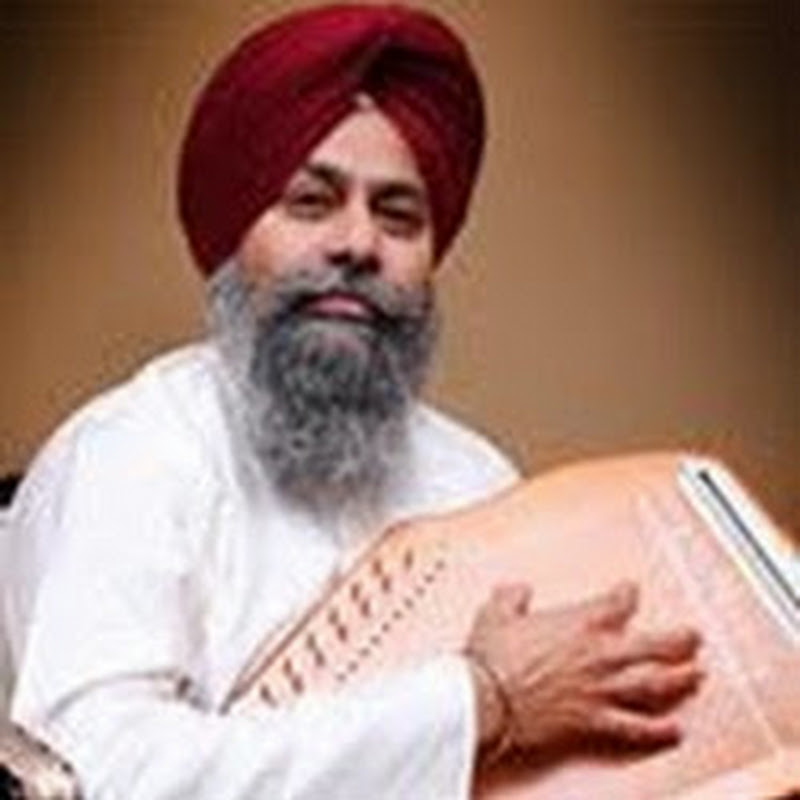
Ghazal Poetry on Beauty,Faithfulness, and Unfulfilled Love

Professor Paramjeet Singh
Apr 6, 2025
7 min read
Watch · 5

TLDR: Professor Paramjeet Singh performs a Punjabi ghazal that opens with the foundational couplet "Beauty and faithfulness never exist together" (Husn te vafaa kaddey ik nahio hoi), then weaves a meditation on unrequited love, betrayal, and the spiritual paradox of devotion. The poem uses the ghazal form's repeating refrain structure to explore how those who love deeply often suffer loss, how unfaithful lovers are destined to search forever without belonging, and how true saints transcend these cycles through unwavering love. The performance is accompanied by music and hand percussion (taal), grounding the abstract emotions in the body and rhythm.

Read · 8 sections

What is the central paradox of beauty and faithfulness in this ghazal?

The opening couplet establishes the poem's core tension: "Beauty and faithfulness never exist together; those who have loved greatly have always been like me" (7s–27s). This paradox suggests that physical beauty—the quality that attracts and binds lovers—is incompatible with constancy. The logic is implicit but powerful: beauty attracts multiple admirers and invites temptation, while faithfulness requires singular devotion. When the beloved is beautiful, they are rarely faithful; when they are faithful, beauty fades or is irrelevant. The speaker, having loved deeply, claims kinship with all who have suffered this same contradiction. He does not blame the beloved for being unfaithful, but rather identifies a law of nature embedded in the very structure of desire and attachment.

How does the poem address the unfaithful lover?

A second major movement (51s–85s) shifts the voice to address the "unfaithful one" (Bevfaa) directly. The poet invokes a curse or wish: "May you forget the joy of meeting eyes; may you also be punished by the theft of sleep, by the agony of insomnia that robs nights of rest." This is not crude revenge, but a poetic wish that the unfaithful experience the same torment they inflict. The repetition—the couplet appears twice with slight variations—emphasizes the universality and inevitability of this suffering. The poem suggests that betrayal creates a karmic debt: those who abandon lovers are destined to experience abandonment themselves, to lose the ease of eye-contact and the peace of sleep. This echoes the classical ghazal tradition of invoking cosmic justice through language.

What is the significance of waiting and longing throughout the poem?

A recurring motif involves those who wait under the stars for a beloved who never comes. The poem says, "Someone waits looking at two stars of the sky; to whoever has loved so much, may mercy always be mine" (93s–109s). This image of eternal waiting—watching the heavens for a sign—captures the experience of longing that has no endpoint. The stars are distant, unchanging, indifferent; the beloved who does not return is equally unreachable. Yet the speaker paradoxically asks for mercy (mihervan) precisely because he has loved greatly. This suggests a spiritual inversion: suffering love is itself a form of grace, and those who have loved most deeply—regardless of whether they were loved in return—deserve compassion and divine favor.

How does the poem portray the fate of those who never experience love?

A third section (130s–186s) addresses a different kind of tragic figure: "Your fate never held love; the heart that lived for you will never find rest with you. In your life, love never existed; the heart that would give itself to you will never do so. By making him yours then laughing, love never found rest with you—whoever has loved so much, may honor always be mine, O saint" (133s–186s). Here the poem distinguishes between the unfaithful (who experience love but betray it) and those cursed by fate never to experience love at all. Such a person can make others love them, but cannot receive or reciprocate love genuinely. The poem suggests this is a worse fate than being betrayed—to be incapable of love, to pass through life untouched by it, is to miss the very thing that makes suffering meaningful. Again, the speaker aligns himself with those who have loved and suffered, claiming them as saints (sant) precisely because they have loved.

What does it mean that those seeking faithfulness are always wandering?

The final major section (201s–259s) returns to the theme of seeking. "Those seeking faithfulness wander endlessly; you also rob the heart's peace and steal from it. You also wander seeking the freshness of spring; you steal the heart's peace. [The spectacle] becomes a useless game; touch of happiness never comes close—whoever has loved so much, may always be mine, O saint, faithfulness" (201s–259s). This passage extends the curse or observation: the unfaithful person, having abandoned devotion, becomes a perpetual seeker themselves. They wander searching for the very constancy they rejected, yet they cannot find it because they have destroyed it in others. The "freshness of spring" (bihaar)—renewal, beauty, hope—perpetually eludes them. They are locked in a cycle of taking without giving, stealing joy without ever possessing it. The poem closes by calling this wandering figure a "saint" (sant) of faithfulness—an ironic canonization of those trapped by their own betrayal.

What is the spiritual function of performing ghazal with music and rhythm?

The performance includes music (sangeet) and hand percussion or clapping (taadiyaa), which serve not merely as accompaniment but as integral to the poem's meaning. The ghazal form, in both Urdu and Punjabi traditions, pairs abstract emotional and philosophical content with concrete, corporeal expression through rhythm and melody. The body—clapping, swaying, the vibration of the voice—anchors the speaker's words about heartbreak, longing, and spiritual devotion in the physical reality of breath and time. When the performer emphasizes the refrain words like "pyaar" (love) or "vafaa" (faithfulness), the music holds those words in the air; when the rhythm accelerates, it mirrors the urgency of seeking. This integration of body, voice, and mind is essential to ghazal as a contemplative and devotional form, not merely an intellectual exercise.

How does this poem connect to Sikh or devotional traditions?

The repeated invocation of the "sant" (saint) and the emphasis on loyalty (vafaa) as a spiritual value suggests resonance with Sikh theology and Punjabi devotional poetry. In Sikh thought, the relationship between the human soul and the Divine is modeled on beloved and lover—the soul yearns for union with God just as a lover longs for the beloved. Faithfulness (vafaa) becomes the measure of spiritual maturity: the saint is one who remains devoted despite hardship, separation, or the apparent indifference of the Divine. By framing the poem around the paradox of beauty and faithfulness, the poet implicitly invokes this theological framework. Those who love greatly, even when betrayed, are saints because their love has not been conditional on reciprocation. Their suffering is not meaningless; it is the very substance of their spiritual path.

Where to go from here

To deepen engagement with this ghazal, explore the classical Urdu and Punjabi ghazal tradition more broadly—poets like Mir Taki Mir, Ghalib, and Sultan Bahu who similarly explored the paradoxes of love, loss, and divine longing. Listen to how different musicians interpret the same ghazal, noticing how rhythm and melody reshape emotional emphasis. Consider keeping a journal of your own responses to lines that resonate with your experience of longing or love, whether romantic, spiritual, or creative. Finally, attend a live ghazal performance if possible; the transmission of the form through voice and presence in shared space carries dimensions that recording alone cannot capture.

Transcript

[0:04] ਹੁਸਨ ਤੇ

[0:07] ਵਫਾ ਕਦੇ ਇਕ ਨਹੀਓ ਹੋਇ

[0:14] ਹੁਸਨ ਤੇ

[0:17] ਵਫਾ ਕਦੇ ਇਕ ਨਹੀਓ ਹੋਇ

[0:22] ਨੇ ਜਿਨਾ ਕੀਤਾ

[0:25] ਪਿਆਰ

[0:27] ਸਦਾ ਮੇਰੇ ਵਾਂਗ ਹੋਇ

[0:33] ਹੁਸਨ

[0:41] [ਸੰਗੀਤ]

[0:47] [ਤਾੜੀਆਂ]

[0:51] ਬੇਵਫਾ ਤੇਰੇ ਕੋਲੋ

[0:54] ਭੁੱਲ

[0:56] ਹੋਵੇ ਅੱਖੀਆਂ ਮਿਲਾ ਾਣ

[1:01] ਦੀ ਤੈਨੂੰ ਵੀ

[1:04] ਸਜਾ ਮਿਲੇ

[1:07] ਨੀਦਰਾਂ

[1:09] ਚੁਰਾਉਣ

[1:11] ਦੀ ਤੇਰੇ ਕੋਲੋਂ

[1:14] ਭੁੱਲ ਹੋਵੇ ਅੱਖੀਆਂ

[1:18] ਮਿਲਾਉਣ

[1:21] ਦੀ ਤੈਨੂੰ ਵੀ

[1:23] ਸਜਾ

[1:25] ਮਿਲੈ ਨਿਦਰਾਂ ਚੁਰਾਣ

[1:30] ਣਦੀ ਕਿਸੇ ਨੂੰ

[1:33] ਉਡੀਕੇ ਦੋਵੇ ਤਾਰਿਆਂ ਦੇ

[1:39] ਲੋਇ ਜਿਨਾ ਕੇਤਾ

[1:43] ਪਿਆਰ

[1:44] ਸਦਾ ਮਿਹਰਵਾਨ

[1:49] ਹੋਇ ਤੂ ਸੰਤੇ ਬਾਬਾ

[1:53] [ਸੰਗੀਤ]

[2:10] ਤੇਰਿਆ

[2:11] ਨਸੀਬਾਂ

[2:13] ਵਿੱਚ ਪਿਆਰ ਕਦੇ ਹੋਇ

[2:19] ਨਾ ਦਿਲ ਜਿੰਦੇ ਨੇ

[2:23] ਤੇਰੇ ਕੋਲੇ ੋੜਿਓ

[2:28] ਕਲੋਇਨਾ

[2:30] ਤੇਰਿਆਨ ਜੀਬਾ ਵਿਚ ਪਿਆਰ ਕਦੀ ਹੋਇ

[2:38] ਨਾ ਦਿਲ ਜਿਨੂੰ ਦੇਵੇ

[2:42] ਤੇਰੇ ਕੋੜਿਓ ਕਰੋਇਨਾ

[2:48] ਆਪਣਾ ਬਣਾ ਕੇ

[2:52] ਹਾਸੇ ਤੇਰੇ ਕੋਲੋ ੋੜੋ ਹੋਇ

[2:57] ਨੀ ਜਿਨਾ ਕੀਤਾ

[3:00] ਪਿਆਰ

[3:01] ਸਦਾ ਮੇਰੇ ਮਾਨ

[3:06] ਹੋਇ ਉਹ ਸੰਤ

[3:16] [ਸੰਗੀਤ]

[3:17] [ਤਾੜੀਆਂ]

[3:21] ਵਫਾ ਲਭਦੇ ਦੇ

[3:24] ਫਿਰਨੇ ਤੂੰ

[3:26] ਵੀ ਦਿਲ ਦੇ

[3:28] ਕਰਾਰ

[3:31] ਨੂੰ ਲੁੱਟਣ

[3:33] ਖਜਾਵਾਂ

[3:35] ਤੈਨੂੰ ਤਰਸੇ

[3:38] ਬਹਾਰ

[3:40] ਨੂੰ

[3:42] ਲਭਦੀ ਫਿਰਨੀ ਤੂੰ ਵੀ ਦਿਲ ਦੇ

[3:48] ਕਰਾਰ

[3:50] ਨੂੰ ਲੁੱਟਣ

[3:53] ਖਜਾ

[3:55] ਤੈਨੂੰ ਦਰਜੈ

[3:59] ਪਾਰ ਬਣਿ ਜਾਇ

[4:03] ਤਮਾਸਾ ਸੁਖ ਨੇੜਿਓ ਨ

[4:09] ਛੋਇ ਜਿਨਾ ਕੇ

[4:12] ਪਿਆਰ

[4:14] ਸਦਾ ਮੇਰੇ

[4:16] [ਸੰਗੀਤ]

[4:19] ਵਾਇ ਸੰਤੇ ਵਫਾ

[4:28] [ਸੰਗੀਤ]

Professor Paramjeet Singh
AuthorProfessor Paramjeet Singh

Watch more from Professor Paramjeet Singh on YouTube.

View profileWebsite
Explore Topics
Ghazal-poetryPunjabi-verseUnrequited-loveFaithfulness-paradoxDevotional-music

Got Questions?

Frequently Asked Questions

This opening couplet establishes that physical beauty and emotional constancy are incompatible—beauty attracts multiple admirers and invites temptation, while faithfulness requires singular devotion. The poem suggests this is a law of nature embedded in desire itself, not a personal failing of the beloved.
The poet invokes cosmic justice: those who betray love are destined to experience the same torments they inflicted. The curse reflects a belief that betrayal creates karmic debt, so the unfaithful become perpetually unable to rest, just as they robbed the lover of peace.
The unfaithful have loved but rejected it, while those cursed by fate never experience love at all. The poem suggests the latter is worse—to pass through life untouched by love is to miss the very thing that makes suffering meaningful and the human soul awakened.
The poem suggests a cycle: those who betray devotion become perpetual seekers themselves, searching for the constancy they rejected. They wander endlessly, stealing joy from others but never possessing genuine peace, because they have destroyed faithfulness in themselves.
The music and hand percussion anchor abstract emotions about love and loss in the body and breath. The ghazal form pairs intellectual and philosophical content with corporeal expression, so the rhythm and melody make words like 'love' and 'faithfulness' physically present in shared time and space.
The repeated invocation of the 'saint' and emphasis on faithfulness (vafaa) reflect Sikh theology, where the relationship between soul and Divine is modeled on lover and beloved. Saints are those who remain devoted despite separation, making suffering itself the substance of the spiritual path.

Continue Reading

More on Featured

View All
Raag-Based Gurbani Kirtan: The Beauty of Mere Laalan Ki Sobha
Featured

Raag-Based Gurbani Kirtan: The Beauty of Mere Laalan Ki Sobha

Learn how raag-based Gurbani kirtan preserves authentic Sikh devotional music through the shabad "Mere Laalan Ki Sobha," performed in classi…

1 min read
Raag-Based Gurbani Kirtan: Tukhari, Bhairavi, and Classical Tradition
Featured

Raag-Based Gurbani Kirtan: Tukhari, Bhairavi, and Classical Tradition

Experience the spiritual depth of Patiala Gharana kirtan through rare raags and Gurbani compositions. A live performance honoring classical …

1 min read
Raag & Gurbani: Professor Paramjeet Singh's Live Kirtan Performance
Featured

Raag & Gurbani: Professor Paramjeet Singh's Live Kirtan Performance

Professor Paramjeet Singh performs four evocative Gurbani compositions in North Indian raags at the 2025 Mahan Kirtan Darbar, blending class…

1 min read
Tere Bharose: Finding Trust in Divine Support
Featured

Tere Bharose: Finding Trust in Divine Support

Professor Paramjeet Singh explores the Punjabi devotional concept of "Tere Bharose"—trusting in divine care and support through life's uncer…

1 min read

Keep exploring

Continue your journey

More wisdom and gatherings from across the BrightStar directory.

More Articles

Browse the full library of teachings, interviews, and guides.

Back to all articles →

Teachers & Artists

Explore the lineages, musicians, and guides of the conscious world.

Explore artists →

Find an Event

Kirtan, retreats, sound baths, breathwork, festivals — happening soon.

Browse events →
Read more from BrightStarCreate Free Account
Host your own gatherings?Try the Demo