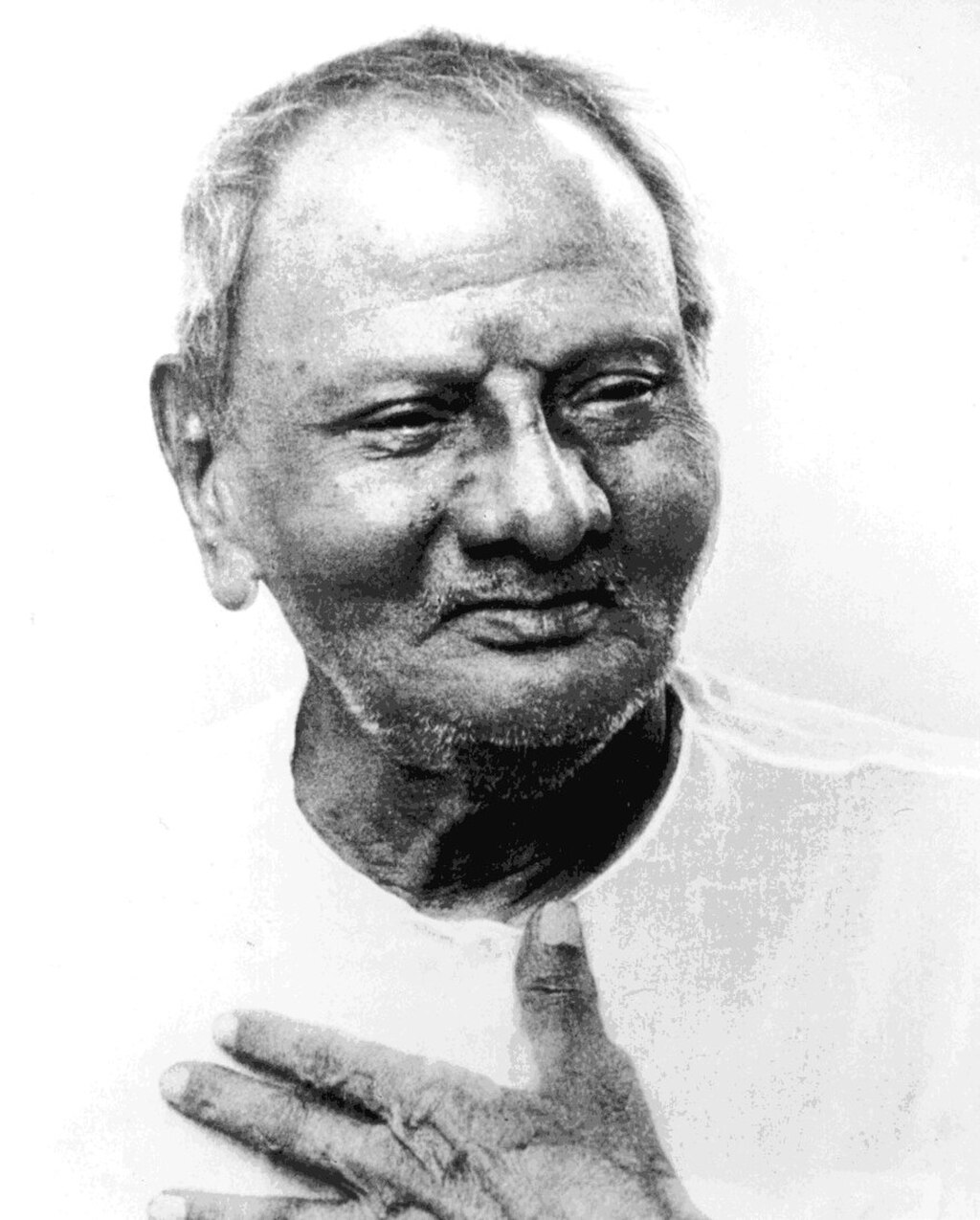
The Art of Surrender: Embracing the Essence of Being
Nisargadatta Maharaj's profound assertion, "There is nothing to practice. Just do nothing and everything will be done," invites us into a realm of deep contemplation about the nature of existence and our relationship with action. In a world that often equates worth with relentless striving and achievement, this quote challenges the very foundation of our understanding of effort and surrender. It beckons us to consider the possibility that true fulfillment lies not in our incessant doing, but in a state of being that transcends the need for practice.
This teaching resonates deeply within the non-dual tradition, where the distinction between self and other, subject and object, begins to dissolve. Maharaj's words encourage us to relinquish the burdens of expectation and the compulsion to control outcomes. By embracing a state of non-doing, we open ourselves to the flow of life, allowing everything to unfold in its own time and manner. This perspective invites us to explore the paradox of surrender, where letting go becomes the gateway to profound peace and presence.
The image / the metaphor
The imagery in Maharaj's quote evokes a sense of stillness and tranquility. The phrase "do nothing" conjures a mental picture of a serene landscape, untouched by the chaos of human endeavor. It suggests a space where the incessant chatter of the mind quiets, allowing us to rest in the essence of our being. The verbs chosen—"do" and "done"—imply a dynamic interplay between action and inaction, urging us to reconsider our relationship with both. In this stillness, we are invited to recognize that the universe operates with its own intelligence, independent of our frantic efforts.
In the speaker's tradition
Nisargadatta Maharaj's teachings are deeply rooted in the non-dual tradition, which emphasizes the interconnectedness of all existence. Concepts such as *sunyata* (emptiness) and *kenosis* (self-emptying) resonate with the essence of his message. In this framework, surrender is not a relinquishing of agency but rather an acknowledgment of the illusory nature of the separate self. By recognizing that our individual desires and fears are but waves on the ocean of consciousness, we can begin to dissolve the barriers that separate us from the totality of existence.
In his seminal work, *I Am That*, Maharaj articulates the idea that the true self is beyond the confines of thought and action. He invites us to explore the depths of our being, where the essence of who we are is not defined by our roles or accomplishments. This aligns with the teachings of other non-dual sages, such as Ramana Maharshi, who emphasized the importance of self-inquiry as a means of realizing our true nature. Both teachers guide us toward a profound understanding that liberation arises not from doing, but from being.
Living the teaching
Consider a modern scenario where this teaching might resonate: a professional caught in the relentless cycle of work, striving for success and recognition. The pressure to perform can create a sense of anxiety and disconnection from one's true self. By embracing Maharaj's teaching, this individual might find solace in the idea that they do not need to constantly push against the current of life. Instead, they can cultivate a practice of presence, allowing their innate creativity and intuition to guide their actions, leading to a more authentic and fulfilling experience.
In the realm of relationships, the application of this teaching can be equally transformative. Imagine a couple navigating a challenging moment, where misunderstandings and expectations create tension. By embodying the principle of "doing nothing," they can step back from their need to resolve the conflict immediately. Instead, they can create space for vulnerability and openness, allowing their connection to deepen naturally. In this way, surrendering to the moment fosters a sense of peace and understanding that transcends the need for resolution.
A reflection
As we reflect on Nisargadatta Maharaj's profound words, we are invited to explore the nature of our own surrender. What does it mean for you to "do nothing" in a world that constantly demands action? In what areas of your life might you benefit from stepping back, allowing the flow of existence to guide you? This contemplation can lead to a deeper understanding of the interplay between effort and surrender, illuminating the path toward a more peaceful and present existence.



Join the BrightStar Community
Stay connected with daily inspiration, event announcements, and community wisdom