EveryEvent Costa Rica

Browse All Events

Find every event in Costa Rica

events

Concerts & Live Music
Festivals
Sports & Recreation
Food & Drink
Arts & Culture
Community
Family & Kids
Nightlife
Comedy
Theater
Popular Destinations
BaliSedonaLos AngelesCosta RicaNew YorkSan FranciscoAustinMiamiJoshua TreeTulum
View All CategoriesView All Destinations

Explore All Features

Powerful tools to grow your events

Platform Features

Smart Dynamic Pricing
Ticket Categories
Assigned Seating
Abandoned Cart Recovery
Visitor Recovery
Donations & Sliding Scale
Affiliate Engine
Ticket Scanner
Coupon Codes
Custom Questions
Ticket Sharing
Upsells & Add-ons
Analytics & Reporting
Email Sequences
Waitlist / Notify / Remind
Explore
Discovery HubArtists & PerformersVenuesKnowledge Base
View All FeaturesAbout Us
PricingBlog
Browse All Events

events

Concerts & Live MusicFestivalsSports & RecreationFood & DrinkArts & CultureCommunityFamily & KidsNightlife

Popular Destinations

BaliSedonaLos AngelesCosta RicaNew YorkSan Francisco

Explore

Discovery HubArtists & PerformersVenuesKnowledge Base

Platform Features

Smart Dynamic PricingTicket CategoriesAssigned SeatingAbandoned Cart RecoveryVisitor RecoveryDonations & Sliding ScaleAffiliate EngineTicket ScannerCoupon CodesCustom QuestionsTicket SharingUpsells & Add-onsAnalytics & ReportingEmail SequencesWaitlist / Notify / Remind
View All FeaturesAbout Us
PricingBlog
Log inSign UpEvent Organizers
  • Browse All Events
  • Concerts & Live Music
  • Festivals
  • Sports & Recreation
  • Food & Drink
  • Arts & Culture
  • Community
  • Family & Kids
  • Nightlife
  • All Categories →
  • All Destinations →
  • For Promoters
  • For Artists
  • For Venues
  • For Festivals
  • For Event Spaces
  • For Nonprofits
  • For Bloggers
  • For Speakers
  • Brand Ambassador
  • Case Studies
  • 350K+ Buyer Network
  • Abandoned Cart Recovery
  • Smart Dynamic Pricing
  • Ticket Categories
  • Recurring Events
  • Assigned Seating
  • Affiliate Engine
  • Waitlist / Notify
  • Ticket Scanner
  • Embed Widget
  • All Features →
  • About
  • The Ecosystem
  • Blog
  • Glossary
  • Inspiration
  • Help Center
  • Contact
  • API Docs
  • Brand Assets
  • Careers
  • Press
  • Terms of Service
  • Privacy Policy

Events

  • Browse All Events
  • Concerts & Live Music
  • Festivals
  • Sports & Recreation
  • Food & Drink
  • Arts & Culture
  • Community
  • Family & Kids
  • Nightlife
  • All Categories →

Getaways

  • All Destinations →

For Organizers

  • For Promoters
  • For Artists
  • For Venues
  • For Festivals
  • For Event Spaces
  • For Nonprofits
  • For Bloggers
  • For Speakers
  • Brand Ambassador
  • Case Studies

Features

  • 350K+ Buyer Network
  • Abandoned Cart Recovery
  • Smart Dynamic Pricing
  • Ticket Categories
  • Recurring Events
  • Assigned Seating
  • Affiliate Engine
  • Waitlist / Notify
  • Ticket Scanner
  • Embed Widget
  • All Features →

Company

  • About
  • The Ecosystem
  • Blog
  • Glossary
  • Inspiration
  • Help Center
  • Contact
  • API Docs
  • Brand Assets
  • Careers
  • Press
  • Terms of Service
  • Privacy Policy
EveryEvent
© 2026 EveryEvent Costa Rica. All rights reserved.
Featured

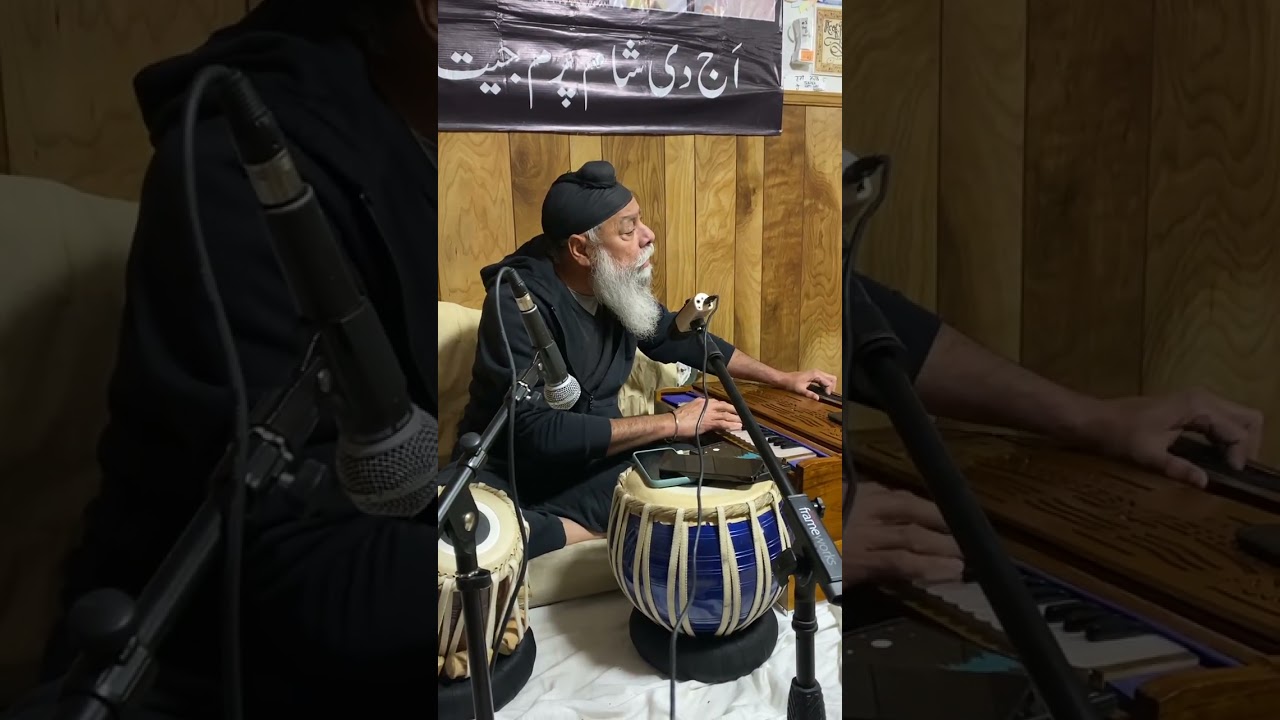
Raag-Based Gurbani Kirtan: Tukhari,Bhairavi, and Classical Tradition

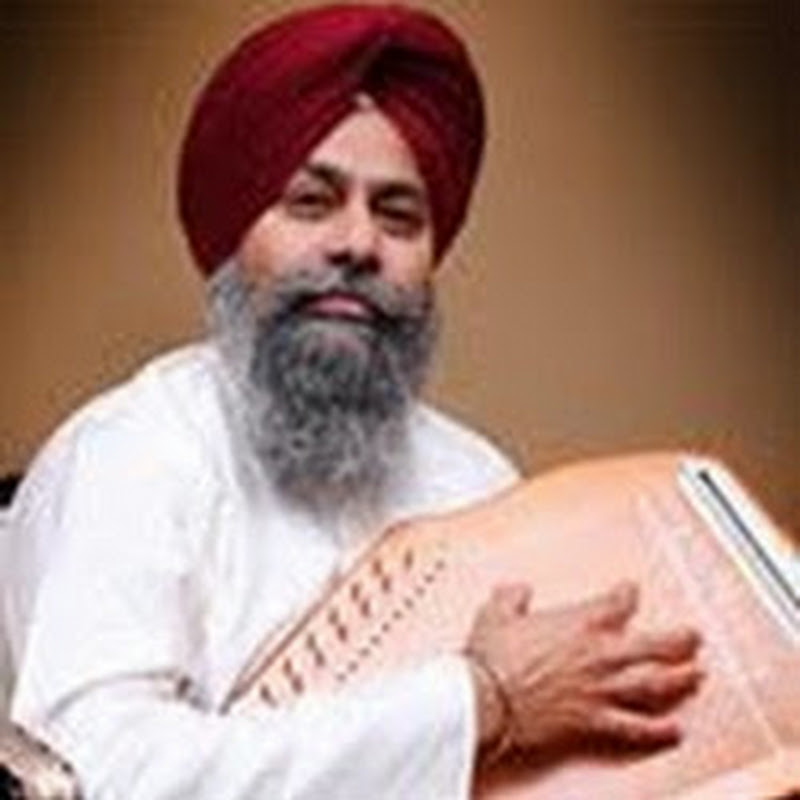
Professor Paramjeet Singh
May 24, 2025
8 min read

TLDR: This live kirtan performance demonstrates the integration of raag (Indian classical melodic framework) and gurbani (Sikh scripture) in Patiala Gharana tradition. Through compositions rendered in Raag Tukhari, Bhairavi, Ahiri Todi, and culminating in a Partaal in Raag Nat Narayan, the performance showcases how classical Indian raag structures serve the devotional depth of Sikh texts while preserving both musical rigor and spiritual authenticity. The performance includes detailed gurbani passages on grace, divine protection, and the impossibility of capturing the divine in words.

Read · 9 sections

What is Raag-Based Kirtan and Why Does It Matter?

Raag-based kirtan is the marriage of two distinct systems: the melodic framework of Indian classical music and the devotional poetry of Sikh scripture. Unlike kirtan that privileges simplicity or folk melodic patterns, raag-based kirtan demands mastery of both systems simultaneously. In this tradition, the raag is not merely a vessel for the gurbani; it is an equal partner in expressing spiritual meaning. The raag shapes how vowels resonate, how phrases arc across time, and which emotional territory the listener enters.

Professor Paramjeet Singh, representing the Patiala Gharana—one of the most rigorous vocal traditions in North Indian classical music—approaches gurbani as material worthy of the highest technical and aesthetic standards. The performance opens with Nirgun Rakh Leeaa in Raag Tukhari, a raag known for its particular character: certain notes (called swaras) are emphasized, others avoided, and the overall mood is contemplative yet assured. The text itself invokes divine grace and protection—"nirgun" meaning "without attributes" or "formless"—and the raag's architecture reinforces this theme of transcendence beyond form.

How Does Raag Tukhari Create Spiritual Mood?

Raag Tukhari operates within specific rules. Certain notes are stronger at the beginning of a phrase (called "aarohan") and others in the descent ("avarohan"). The raag avoids the note "dhaivat" in ascending passages, which creates a particular tonal absence—a space that paradoxically speaks to formlessness. When Professor Singh applies this melodic architecture to the gurbani text "Nirgun Rakh Leeaa," the listener hears not just words but a sonic embodiment of the concept itself. The voice moves through the raag's allowed territories, honoring its constraints, much as the devotee honors the limits of human understanding when approaching the divine.

The performance demonstrates what rigorous kirtan training looks like: the vocalist does not merely sing the words; he inhabits the raag completely. Each syllable lands on a swar (note) that is not arbitrary but derived from the raag's logic. This means every rendition is a fresh interpretation within rules, not a memorized reproduction.

What Spiritual Themes Emerge in the Gurbani Text?

The opening composition emphasizes divine protection in the face of human limitation. The refrain "Nirgun Rakh Leeaa" (Thou hast kept me, formless one) acknowledges a paradox central to Sikh theology: the divine is beyond attributes and form, yet actively preserves the devotee. The gurbani invokes the aid of saints ("Santnan Ka Sadka"—through the sacrifice of saints) and declares the singer a sinner made whole by grace alone. This is not earned redemption; it is unmerited favor.

The text progresses through names and attributes of the divine—"Takannhare Prabhu Hamare" (Thou who sustainest us), "Dhakanhareh Prabhu Hamare" (Thou who protectest us), "Praan Sukhdateh" (Thou who givest life and comfort). Each attribute is sung in extended melodic passages that allow the vowel sound to resonate across several notes. This technique, called "alaap" in classical music, slows the listener's perception and deepens emotional penetration.

How Does Raag Bhairavi Shift the Emotional Terrain?

The second major composition, Eh Doe Naina (These two eyes), moves into Raag Bhairavi. Bhairavi is a versatile raag used in both classical and devotional contexts. Unlike Tukhari's more austere character, Bhairavi permits a wider range of embellishments and has a sweeter, more emotionally direct quality. The text addresses the yearning of the soul: "These two eyes have no hope except to behold the beloved." The gurbani uses the metaphor of the eye—the instrument of vision and longing—to express spiritual desire.

In Bhairavi, Professor Singh employs faster melodic passages and more intricate ornamentations (called "taan"). The text includes vivid imagery: a crow eating meat, the body as a cage, the beloved dwelling within. These are not merely poetic abstractions; they are rendered in Bhairavi's emotional vocabulary. When the vocalist circles back to repeated phrases like "Kaga Kaga" (the crow), the raag's characteristic oscillations between notes create a sense of circular seeking, of the mind returning again and again to its object of longing.

What is the Partaal and Why Does It Crown the Performance?

A Partaal is a culminating form in kirtan tradition, often lasting many minutes and building to intense rhythmic and melodic climax. In this performance, the Partaal is rendered in Raag Nat Narayan to the composition Mere Man Sev Safal Har Ghal (Let my service of the divine bear fruit). The Partaal is where technical virtuosity and spiritual intensity converge completely. The vocalist repeats short melodic and textual phrases with increasing speed and rhythmic complexity, often supported by tabla (the drummer) accelerating in tandem.

The Partaal is not decorative display; it is a form that mimics the intensification of devotional emotion. As the phrases accelerate, the listener's consciousness is drawn into a faster temporal register. The repetition becomes a form of remembrance and invocation—the name or quality of the divine is called out again and again, as if the repetition itself opens a door. The final Partaal references the guru's grace and the completion of spiritual service: "Mere Man Sev Safal Har Ghal"—my service becomes fruitful through divine grace.

How is Raag Ahiri Todi Used as a Bridge?

Between the major raags, Professor Singh renders Mohan Praan Maan Rangeela in Raag Ahiri Todi. This raag is known for its gentle, intimate quality and is often used for devotional music expressing personal closeness to the divine. The text speaks of the beloved (Mohan—Krishna, the divine) dwelling in the heart and coloring the mind with spiritual beauty. Ahiri Todi allows for a more lyrical, songful approach than Tukhari, creating a moment of tenderness within the overall arc of the performance.

What Teaching Emerges About Preserving Classical Kirtan?

Near the midpoint of the performance, Professor Singh pauses to address the assembled sangat (community) and highlight a young student performing alongside him. He speaks directly to the challenge of maintaining classical kirtan tradition in the modern era. The student, Sujan Singh, age 14, is learning raag vidya (raag knowledge) and reet (proper execution) alongside the gurbani. Professor Singh notes that for some time kirtan has been performed incorrectly—raag and reet separated, the music subordinated to mere vocal display or the words rendered without raag discipline.

His teaching is explicit: "Raag is essential. Without raag, nothing becomes raag. But we must keep the word primary." He explains that young performers are being taught to emphasize the gurbani while learning raag structure, so they develop both confidence on stage and deep understanding of the tradition. This balancing act—honoring both raag rigor and textual meaning—is what distinguishes Patiala Gharana kirtan from other approaches.

He blesses the children in the sangat, urging them to maintain traditional kirtan with both raag and reet. This is not nostalgia; it is a specific pedagogy recognizing that without structural discipline, kirtan becomes emotionally shapeless. And without the word, it becomes mere musical exercise.

How Do Repeated Phrases Create Spiritual Deepening?

Throughout the performance, certain short phrases are repeated with variations. "Baba Maya Sath Na Hoe" (Father, Maya accompanies me not) is a refrain that returns again and again as the gurbani explores the unreliability of material attachment. Each repetition is a reinforcement, but also a musical variation. The raag permits the phrase to be sung at different pitches, with different rhythmic placements, so the listener is not bored but rather drawn into deeper contemplation of the single idea.

This is a technique grounded in both raag tradition and devotional psychology. Repetition with variation is not mechanical; it is a path into stillness. The mind circles the truth—"maya (illusion) will not remain with me in death"—and each circle brings fresh understanding.

Where to go from here

To deepen engagement with raag-based kirtan, explore recordings of other Patiala Gharana vocalists and listen for the specific raag characteristics. Learn the raag names and their melodic architectures; many online resources map the notes and typical phrases. Seek out live performances where the artist explains the raag before singing—context deepens perception. Study Sikh scripture (Guru Granth Sahib) to recognize the gurbani texts and understand their theological weight. If possible, attend a kirtan workshop or learn tabla rhythm to understand how percussion interlocks with melody. Most importantly, listen repeatedly to the same raag-based performance, allowing your ear to adjust to its rules and emotional signature.

Transcript

[0:00] [ਸੰਗੀਤ]

[0:03] ਵਾਹਿਗੁਰੂ

[0:07] [ਸੰਗੀਤ]

[0:12] ਵਾਹਿਗੁਰੂ

[0:14] [ਸੰਗੀਤ]

[0:37] ਗਾਦਨ ਅਨਿਕ

[0:44] ਪਾ ਸਰਬ

[0:48] ਕਲਾਸ

[0:50] [ਸੰਗੀਤ]

[0:55] ਸਮਰਾ ਸਰਬਤ

[0:58] ਕਲਾ

[1:01] [ਸੰਗੀਤ]

[1:04] ਸਮਰਾ ਸਰਬ ਕਲਾ

[1:08] ਸਮਰਾ

[1:10] ਸਮਰਾ ਸਮਰਾ

[1:17] ਡੋਲਨ

[1:20] [ਸੰਗੀਤ]

[1:28] ਜੋਲੰਤ

[1:42] [ਸੰਗੀਤ]

[1:46] ਡੋਲਨ ਤੇ ਰਾਖੋ

[1:54] ਪ੍ਰਭੂ

[1:58] [ਸੰਗੀਤ]

[2:05] ਡੋਲਨ ਤੇ

[2:09] ਰਾਗੋ

[2:12] ਪ੍ਰਭੂ

[2:14] ਨਾਨਕ ਦੇ ਕਰਹਾ

[2:22] [ਸੰਗੀਤ]

[2:26] ਗਨ

[2:28] ਦੇ

[2:31] ਗਾਨ

[2:33] ਨਾਨਕ

[2:35] ਦੇ

[2:41] ਕਰ ਨਿਰਗੁਣ ਰਾਖ

[2:47] ਲਿਆ ਨਿਰਗੁਣ ਰਾਖਲ

[2:50] [ਸੰਗੀਤ]

[2:52] ਲਿਆ ਨਿਰਗੁਣ

[2:57] ਰਾਖਲਿਆ ਨਿਰਗੁਣ ਰਾਖ

[3:03] ਲੀਆ ਨਿਰਗੁਣ ਰਾਖ ਲੀਆ

[3:09] [ਸੰਗੀਤ]

[3:14] ਨਿਰਗੁਣ ਰਾਖ ਲਿਆ

[3:19] ਨਿਰਗੁਣ ਰਾਖ

[3:24] ਲਿਆ ਸੰਤਨ ਕਾ

[3:29] ਸਦਕਾ ਸੰਤਨ ਕਾ

[3:33] [ਸੰਗੀਤ]

[3:34] ਸਦਕਾ ਸਤਿਗੁਰੁ

[3:37] [ਸੰਗੀਤ]

[3:40] ਠਾਕਿਆ ਸਤਿਗੁਰੁ ਠਾਕਿਆ

[3:46] ਮੋਹਿ ਪਾਪੀ

[3:50] ਬਣਦਾ ਮੋਹਿ ਪਾਪੀ

[3:55] ਬਣਦਾ ਨਿਰਗੁਣ

[4:00] ਰਾਖਿਆ ਨਿਰਗੁਣ ਰਾਖਿਆ

[4:04] [ਸੰਗੀਤ]

[4:07] [ਤਾੜੀਆਂ]

[4:08] [ਸੰਗੀਤ]

[4:18] ਟਾਕਨਹਾਰੇ ਪ੍ਰਭੂ ਹਮਾਰੇ

[4:23] ਟਾਕਣਹਾਰੇ ਪ੍ਰਭੂ ਹਮਾਰੇ

[4:26] [ਤਾੜੀਆਂ]

[4:30] [ਸੰਗੀਤ]

[4:37] ਪ੍ਰਭੂ ਹਮਾਰੇ

[4:42] [ਸੰਗੀਤ]

[4:44] ਹਮਾਰੇ ਪ੍ਰਭੂ

[4:47] ਹਮਾਰੇ ਹਮਾਰੇ

[4:55] ਢਾਕਣਹਾਰੇ ਪ੍ਰਭੂ ਹਮਾਰੇ

[4:58] [ਤਾੜੀਆਂ]

[5:00] ਢਾਕਣਹਾਰੇ ਪ੍ਰਭੂ ਹਮਾਰੇ

[5:06] [ਸੰਗੀਤ]

[5:21] ਤਾਕਣਹਾਰੇ ਪ੍ਰਭੂ ਹਮਾਰੇ

[5:24] ਜੀ ਪ੍ਰਾਨ ਸੁਖਦਾਤੇ

[5:30] ਜੀ ਪ੍ਰਾਨ ਸੁਖਦਾਤੇ

[5:34] ਜੀ

[5:38] [ਸੰਗੀਤ]

[5:41] ਜੀ

[5:49] [ਸੰਗੀਤ]

[5:50] ਆ

[5:53] [ਸੰਗੀਤ]

[5:56] [ਤਾੜੀਆਂ]

[6:01] [ਸੰਗੀਤ]

[6:05] ਆ ਆਕਣਹਾਰੇ ਪ੍ਰਭੂ ਹਮਾਰੇ

[6:10] [ਸੰਗੀਤ]

[6:11] ਆਕਣਹਾਰੇ ਪ੍ਰਭੂ ਹਮਾਰੇ ਪ੍ਰਭੂ

[6:22] [ਸੰਗੀਤ]

[6:27] ਤਾਣਹਾਰੇ

[6:32] ਪ੍ਰਭਰੇ ਦਾਨੀ ਗਮਗਰੇ

[6:36] ਨੀਸਾ

[6:38] ਗਵਾਨੀ ਮਗਨੀ

[6:42] [ਸੰਗੀਤ]

[6:45] ਨੀ

[6:47] ਰਾਖਨਹਾਰੇ ਪ੍ਰਭੂ ਹਮਾਰੇ

[6:51] [ਸੰਗੀਤ]

[6:52] ਰਾਖਣਹਾਰੇ ਪ੍ਰਭੂ ਹਮਾਰੇ

[7:00] ਰਾਖਨਹਾਰੇ ਪ੍ਰਭੂ

[7:03] [ਸੰਗੀਤ]

[7:07] ਰਾ

[7:12] [ਸੰਗੀਤ]

[7:17] ਰਾਖਣਹਾਰੇ ਪ੍ਰਭ ਹਮਾਰੇ

[7:22] ਹਮਾਰੇ

[7:25] [ਸੰਗੀਤ]

[7:30] ਹਾਰੇ

[7:33] [ਸੰਗੀਤ]

[7:35] ਪ੍ਰਭੂ

[7:38] ਢਾਕਣਹਾਰੇ ਠਾਕਨ

[7:42] ਢਾਕਣਹਾਰੇ ਪ੍ਰਭੂ ਹਮਾਰੇ ਪ੍ਰਭੂ

[7:46] ਹਮਾਰੇ

[7:50] ਪ੍ਰਭੂ

[7:52] ਪ੍ਰਭੂ ਹਮਾਰੇ

[7:55] [ਸੰਗੀਤ]

[8:01] ਢਾਕਣਹਾਰੇ ਪ੍ਰਭੂ ਹਮਾਰੇ

[8:05] ਜੀ ਪ੍ਰਾਨ

[8:09] ਸੁਖਦਾਤੇ ਜੀਅ ਪ੍ਰਾਨ

[8:12] [ਸੰਗੀਤ]

[8:14] ਸੁਖਦਾਤੇ

[8:16] ਅਬਿਨਾਸੀ

[8:18] ਅਬਿਗਤ ਸੁਆਮੀ

[8:21] ਅਬਿਨਾਸੀ

[8:23] ਅਵਗਤਿ ਸੁਆਮੀ

[8:26] ਪੂਰਨ ਪੁਰਖ ਬਿਧਾ

[8:31] ਪੂਰਨ ਪੁਰਖ

[8:35] ਬਿਧਾਤੇ ਪੂਰਨ ਪੁਰਖ

[8:41] ਬਿਧਾਤੇ ਪੂਰਨ ਪੁਰਖ

[8:45] ਬਿਧਾਤੇ ਨਿਰਗੁਣ

[8:50] ਰਾਖੀ ਨਿਰਗੁਣ ਰਾਖ

[8:55] ਲੀਆ ਨਿਰਗੁਣ ਰਾਖ ਰਾਖ

[9:01] ਲਿਆ ਰਾਖ

[9:04] [ਸੰਗੀਤ]

[9:06] ਲਿਆ

[9:10] ਰਾਖਲਿਆ

[9:12] [ਸੰਗੀਤ]

[9:15] ਰਾਖਲਿਆ ਰਾਖਿਆ

[9:20] [ਸੰਗੀਤ]

[9:31] ਉਸਤਤਿ ਕਹਣ ਨ ਜਾਇ

[9:35] ਤੁਮਾਰੀ ਉਸਤਤਿ ਕਹਨ ਨ ਜਾਇ ਤੁਮਾਰੀ

[9:40] [ਸੰਗੀਤ]

[9:43] ਉਸਤਤਿ ਕੈਨ

[9:52] ਉਸਤਤਿ

[9:55] ਕਹਨ

[9:57] ਨਾ ਨ

[9:59] ਜਾਇ

[10:01] ਨ

[10:05] ਜਾਇ ਉਸਤਤਿ ਕਹਨ ਨ ਜਾਇ

[10:12] ਤੁਮਾਰੀ ਨ ਜਾਇ ਤੁਮਾਰੀ

[10:17] [ਸੰਗੀਤ]

[10:23] ਆ ਆ

[10:25] [ਸੰਗੀਤ]

[10:42] ਉਸਤਤਿ ਕਹਣ ਨ ਜਾਇ ਤੁਮਾਰੀ

[10:47] ਕਉਣ ਕਹੈ ਤੂੰ ਕਦ

[10:51] ਕਾ ਕਉਨ ਕਹੈ ਤੂ ਕਦ

[10:56] ਕਾ ਨਾਨਕ ਦਾਸ ਤਾ ਕੈ

[11:02] ਬਲਿਹਾਰੀ ਨਾਨਕ ਦਾਸ ਤਾ ਕੈ ਬਲਿਹਾਰੀ

[11:08] ਮਿਲਿ ਨਾਮ ਹਰਿ ਨਿਮ

[11:12] ਨਿਮਕਾ ਮਿਲਿ ਨਾਮੁ ਹਰਿ

[11:17] ਨਿਮਕਾ ਮਿਲਿ ਨਾਮ ਹਰਿ

[11:23] ਨਿਮਕਾ ਮਿਲੇ ਨਾਮ ਹਰਿ

[11:27] ਨਿਮਕਾ ਨਿਰਗੁਣ

[11:32] ਰਾਖਲੀਆ ਨਿਰਗੁਣ

[11:36] [ਸੰਗੀਤ]

[11:37] ਰਾਖਲੀਆ ਸੰਤਨ ਕਾ

[11:42] ਸਰਕਾਰ ਸੰਤਨ ਕਾ

[11:47] ਸਦਕਾ ਸਤਿਗੁਰੁ

[11:52] ਠਾਕਿਆ ਸਤਿਗੁਰੁ

[11:57] ਠਾਕਿਆ ਮੋਹਿ ਪਾਪੀ

[12:02] ਪੜਦਾ ਮੋਹਿ ਪਾਪੀ

[12:06] ਪੜਦਾ ਨਿਰਗੁਣ ਰਾਖ

[12:10] [ਸੰਗੀਤ]

[12:12] ਨਿਰਗੁਣ

[12:16] ਰਾਗੀਆ ਨਿਰਗੁਣ

[12:21] ਰਾਖਲੀਆ ਨਿਰਗੁਣ ਰਾਖ

[12:27] [ਸੰਗੀਤ]

[12:32] ਲੀਆ ਵਾਹਿਗੁਰੂ

[12:36] [ਸੰਗੀਤ]

[12:47] ਾ

[13:07] [ਸੰਗੀਤ]

[13:19] ਵਾਹਿਗੁਰੂ

[13:20] [ਸੰਗੀਤ]

[13:48] ਇਹ ਦੁਇ ਨੈਨਾ

[13:53] [ਸੰਗੀਤ]

[14:04] ਇਹ ਦੋਇ

[14:06] ਨੈਨਾ ਮਤਿ

[14:10] ਛੋ ਪਿਰ

[14:12] ਦੇਖਨ ਕੀ

[14:16] ਆਸ ਪਿਰ

[14:19] ਦੇਖਨ ਕੀ ਆਸ

[14:22] [ਸੰਗੀਤ]

[14:25] ਦੋਇ

[14:26] ਨੈਨਾ ਮਤਿ

[14:30] ਛੋ ਪਿਰ ਦੇਖਨ ਕੀ

[14:36] ਆਸ ਪਿਰ ਦੇਖਨ ਕੀ ਆਸ

[14:44] ਏਕ ਲੈਨਾ

[14:47] [ਸੰਗੀਤ]

[15:02] ਬਾਗਾ ਕਰੰਗ

[15:04] ਢੋਲਿਆ

[15:08] [ਹਾਸਾ]

[15:12] [ਸੰਗੀਤ]

[15:15] ਕਾਗਾ ਕਰਗ

[15:20] ਢੰਡੋਲਿਆ

[15:25] ਢੰਡੋਲਿਆ

[15:35] ਕਰਗਡੋਲਿਆ

[15:37] [ਸੰਗੀਤ]

[15:39] [ਹਾਸਾ]

[15:45] [ਸੰਗੀਤ]

[15:49] ਕਾਗ

[15:51] ਕਾਗ ਕਾਗ

[15:59] ਕਾਕਾ ਕਰਦੋਲਿਆ

[16:03] [ਹਾਸਾ]

[16:08] ਸਗਲਾ

[16:10] ਖਾਇਆ ਮਾਸ

[16:19] [ਸੰਗੀਤ]

[16:24] ਕਾਗਾ

[16:30] ਕਾਗਾ

[16:32] ਕਾਗਾ ਕਾ

[16:34] [ਸੰਗੀਤ]

[16:39] [ਹਾਸਾ]

[16:41] [ਸੰਗੀਤ]

[16:44] ਕਾਗਾ ਕਾਗਾ ਦਰਦ ਢੰਡੋਲਿਆ

[16:54] [ਹਾਸਾ]

[16:56] ਕਾਗਾ

[17:03] ਗਾਗਾ

[17:06] ਕਾਗਾ ਕਾਗਾ

[17:09] [ਸੰਗੀਤ]

[17:12] [ਹਾਸਾ]

[17:17] ਕਾਗਾ ਢੰਡੋਲਿਆ

[17:26] ਸਗਲਾਖਾ

[17:27] ਖਾਇਆ

[17:31] ਮਾਸ ਸਗਲਾ

[17:34] ਖਾਇਆ

[17:38] ਮਾਸ ਕੋਈ

[17:40] ਨੈਨਾ

[17:42] ਮਤਿ

[17:44] ਜੋ ਪਿਰ ਦੇਖਨ ਕੀ

[17:50] ਆਸ ਪਿਰ ਦੇਖਨ ਕੀ ਆਸ

[17:57] ਸੇ ਦੁਇ

[17:59] ਨੈਨ ਮਤ

[18:02] ਸਿਉ ਫਿਰ ਦੇਖਨ ਕੀ ਆਸ

[18:09] ਫਿਰ ਦੇਖਨ ਕੀ ਆਸ

[18:13] [ਸੰਗੀਤ]

[18:15] ਤੇ ਦੋਇ ਨੈਨਾ

[18:20] [ਸੰਗੀਤ]

[18:23] [ਤਾੜੀਆਂ]

[18:27] [ਸੰਗੀਤ]

[18:33] [ਸੰਗੀਤ]

[18:37] ਕਾਗਾ

[18:38] [ਸੰਗੀਤ]

[18:39] ਚੁੰਡਨਾ ਪਿੰਜਰਾ

[18:43] [ਹਾਸਾ]

[18:47] ਕਾਗਾ

[18:53] ਕਾਗਾ

[18:59] ਕਾ

[19:03] ਕਾਗਾ

[19:07] ਕਾਗਾ

[19:10] ਕਾਗਾ ਕਾਗਾ

[19:14] [ਹਾਸਾ]

[19:14] [ਸੰਗੀਤ]

[19:21] ਕਾਗਾ

[19:23] ਚੂਡਰਾ ਪਿੰਜਰਾ

[19:35] [ਹਾਸਾ]

[19:38] [ਸੰਗੀਤ]

[19:40] ਮਾ

[19:44] [ਸੰਗੀਤ]

[19:51] ਕਾਗਾ ਚੁੰਡ ਨਿੰਜਾ

[19:55] [ਸੰਗੀਤ]

[19:57] [ਹਾਸਾ]

[20:01] [ਸੰਗੀਤ]

[20:05] ਕਾਗਾ ਕਾਗਾ

[20:08] ਗਾ

[20:15] ਕਾਗਾ

[20:17] [ਸੰਗੀਤ]

[20:21] [ਤਾੜੀਆਂ]

[20:22] [ਸੰਗੀਤ]

[20:24] [ਹਾਸਾ]

[20:29] ਕਾਗਾ ਬਾਗਾ

[20:33] ਚੁੰਡਨਾ ਇੰਜਰਾ

[20:35] [ਤਾੜੀਆਂ]

[20:40] ਬਸੈ ਤਾ ਉਡਰ ਜਾਇ

[20:46] ਬਸੈ ਤਾ

[20:48] ਉਡਰ ਜਾਇ

[20:52] ਜਿਤੁ

[20:53] ਪਿੰਜਰੈ ਮੇਰਾ ਸੋਸ

[21:01] [ਸੰਗੀਤ]

[21:04] ਵਸੈ ਆ

[21:11] [ਸੰਗੀਤ]

[21:16] [ਹਾਸਾ]

[21:21] ਜਿਤੁ

[21:22] ਪਿੰਜਰੈ ਮੇਰਾ ਸਹੁ ਵਸੈ

[21:29] [ਸੰਗੀਤ]

[21:30] ਮਾਸ ਨ

[21:32] ਤਿਤੁ ਖਾ

[21:37] ਮਾਸ ਨ

[21:39] ਤਿਤ ਖਾਇ

[21:44] ਦੁਇ

[21:45] ਨੈਨ ਮਤ

[21:48] ਜੋ ਫਿਰ ਦੇਖਨ ਕੀ

[21:54] ਆਸ ਫਿਰ ਦੇਖਨ ਕੀ

[21:59] ਆਸ ਤੇ

[22:04] ਮਤਿ

[22:05] ਜੋ ਫਿਰ ਦੇਖਨ ਕੀ

[22:11] ਆਸ ਫਿਰ ਦੇਖਨ ਕੀ

[22:17] ਆਸ ਜੇ ਤੋਇ

[22:20] ਨੈਨਾ ਤੇ ਤੋਇ

[22:23] ਨੈਨਾ ਭਏ ਤੋਹਿ ਨੈਨਾ

[22:26] [ਸੰਗੀਤ]

[22:31] ਾ

[22:33] [ਸੰਗੀਤ]

[22:56] [ਸੰਗੀਤ]

[23:06] ਮੋਹਨ

[23:08] ਪ੍ਰਾਨ ਮਨ ਰੰਗੀਲਾ

[23:17] [ਸੰਗੀਤ]

[23:19] ਮਨ

[23:21] ਪ੍ਰਾ ਮਨ

[23:24] ਰੰਗੀਨਾ ਮੋਹਨ ਪ੍ਰਾ

[23:29] ਮਨ

[23:32] ਰੰਗੀਲਾ ਬਾਸਿ

[23:35] ਰਹਿਓ

[23:36] ਹੀਅਰੈ ਕੈ

[23:39] ਸੰਗੇ ਬਾਸ ਰਹਿਓ

[23:43] ਹੀਅਰੈ ਕੈ

[23:46] ਸੰਗੇ ਪੇਖ

[23:49] ਮੋਹਿਓ ਮਨ ਮੇਰਾ

[23:54] ਪੇਖ

[23:55] ਮੋਹਿਓ ਮਨ ਮਨ

[23:59] ਲੀਲਾ

[24:01] ਮੋਹਨ

[24:03] ਪ੍ਰਾ ਮਨ ਰੰਗੀਲਾ

[24:08] ਮੋਹਨ

[24:10] ਪ੍ਰਾ ਮਨ ਰੰਗੀਲਾ

[24:15] [ਸੰਗੀਤ]

[24:25] [ਸੰਗੀਤ]

[24:32] ਦਿਨ

[24:34] ਰਾਤੀ

[24:36] ਅਰਾਧੋ ਪਿਆਰੋ

[24:42] [ਤਾੜੀਆਂ]

[24:47] ਪਿਆਰੋ ਦਿਨ ਰਾਤ

[24:51] [ਸੰਗੀਤ]

[24:54] ਅਰਾਧਾ ਦਿਨ

[24:58] ਰਾਤ

[25:01] ਰਾਤ

[25:05] ਰਾਤ

[25:08] [ਸੰਗੀਤ]

[25:15] ਦਿਨ ਦਿਨ

[25:17] ਰਾਤੀ ਆਰਾ

[25:19] ਅਰਾਧੋ ਪਿਆਰੋ

[25:24] [ਸੰਗੀਤ]

[25:32] [ਹਾਸਾ]

[25:36] [ਤਾੜੀਆਂ]

[25:38] ਧਨੀ ਸਧਨੀ ਮਦ ਗਮਸ ਗਮਧਨੀ

[25:41] [ਸੰਗੀਤ]

[25:43] ਧਨੀ

[25:45] ਧਨੀਸਾ ਸਰੇਮਾਸ

[25:48] [ਸੰਗੀਤ]

[25:53] ਧਨੀਸਾ ਧਨੀ ਮਗਾ ਸਨੀਸਾ

[25:59] ਧਨੀਸਾ ਧਨੀਸਾ ਧਨੀਸਾ

[26:01] ਦਿਨ

[26:03] ਰਾਤੀ

[26:05] ਅਰਾਧੋ ਪਿਆਰੋ

[26:08] ਦਿਨ

[26:10] ਰਾਤੀ

[26:12] ਅਰਾਧੋ ਪਿਆਰੋ

[26:15] ਨਿਮਖ ਨ ਕੀਜੈ

[26:19] ਡੀਲਾ

[26:22] ਨਿਮਖ ਨ ਕੀਜੈ

[26:25] [ਸੰਗੀਤ]

[26:28] ਡੀਲਾ ਸੰਤ ਸੇਵਾ

[26:32] ਕਰ ਪਾਵਨ

[26:37] ਮਾਧਾ ਨੀਸਾ ਰੇ ਨੀਸਾ ਰੇ

[26:39] ਰੇਸਾ ਧਗਾ ਰੇ ਰੇ ਨੀ ਮਾਦਾ ਗਦਾ ਨੀ ਮਗ ਰੇ ਰੇ

[26:46] ਸਾਧਾ ਨੀ ਨੀ ਰੇ ਰੇ ਗਰ ਗਰੇ ਨੀਸਾ ਰੇ ਰੇ

[26:53] ਸਾਨੀ

[26:55] ਮਾਨੀ

[26:58] ਮਾਨੀ ਦਿਨ ਰਾਤ

[27:02] ਅਰਾਧੋ ਪਿਆਰੋ

[27:07] [ਸੰਗੀਤ]

[27:10] ਧਨੀਸਾ ਗਰਗ ਰੇਸਨੀ ਨੀ ਸਾ ਧਨੀ ਮ ਸਾਗ ਮਧਨੀ

[27:16] [ਸੰਗੀਤ]

[27:16] [ਤਾੜੀਆਂ]

[27:18] ਧਨੀ ਸਾ ਧਨੀ ਮਧ ਗਮ ਸਾ ਗ ਮਧਾ ਨੀਸਾ ਸਾ

[27:24] ਗਾਨੀਨ ਸਾ ਧਨੀ ਸਾ ਧਨੀ ਸਾ ਮਨੀ ਸਾ ਧਾਨੀ ਦਿਨ

[27:29] ਰਾਤ

[27:30] ਤੇ

[27:32] ਆਰਾਧੋ

[27:37] ਪਿਆਰੋਨੀ ਸਾਮਨੀਸਾ ਗਮਨੀਸਾ ਗਮਨੀਸਾ ਦਿਨ

[27:43] ਰਾਤੀ

[27:45] ਆਰਾਧੋ ਪਿਆਰੋ ਗੁਰੂ ਪਿਆਰੀ ਸਾਧ ਸੰਗਤ ਜੀ ਮੇਰੇ

[27:50] ਨਾਲ ਜਿਹੜਾ ਬੱਚਾ ਬੈਠਾ ਇੱਥੇ ਦਾ ਜੰਪਲ

[27:54] ਹੈ ਸੁਜਾਨ ਸਿੰਘ 14 ਸਾਲਾਂ ਦਾ ਬੱਚਾ ਹ ਨਾਲ

[27:59] ਮੇਰੇ ੇ ਬੈਠਾ ਸਾਡਾ ਇਹ ਵੀ ਸਾਡਾ ਸਿੱਖਾਂ ਦਾ

[28:03] ਗਹਿਣਾ ਡਾਕਟਰ ਅਮਰਦੀਪ ਸਿੰਘ

[28:06] ਐਸੇ ਐਸੇ ਕਮਾਲ ਦੇ ਬੱਚੇ ਸਿੱਖ ਕੌਮ ਦੇ ਵਿੱਚ ਨੇ

[28:10] ਪ੍ਰੋਫੈਸ਼ਨ ਇਹਦਾ ਡਾਕਟਰੀ ਹੈ ਪਰ ਤਬਲਾ ਉਹਦਾ

[28:12] ਪੈਸ਼ਨ ਹੈ ਸਿੱਖੀ ਕਮਾਈ ਹੈ ਕੀਰਤਨ ਦੇ ਨਾਲ ਜੁੜਿਆ

[28:15] ਹੋਇਆ ਸਾਰਾ

[28:16] ਪਰਿਵਾਰ ਇਹ ਬੱਚਾ ਤਾ ਜੰਪ ਰਾਗ ਵਿਦਿਆ ਸਿਖ ਰਿਹਾ

[28:20] ਰੀਤ ਵੀ ਸਿਖ ਰਿਹਾ ਕੀਰਤਨ ਦੇ

[28:23] ਵਿੱਚ ਕੁ ਸਮੇਂ ਤੋਂ ਰਾਗ ਨੂੰ ਗਲਤ ਤਰੀਕੇ ਨਾਲ

[28:27] ਕਰ ਦਿੱਤਾ ਗਿਆ

[28:30] ਰਾਗ ਮੇਰਾ ਹਾਹਾ ਨੀਗਾ ਰਾਗ ਤੋਂ ਬਿਨਾਂ ਕੁਝ ਵੀ

[28:34] ਨਹੀਗਾ ਲੇਕਿਨ ਸ਼ਬਦ ਨੂੰ ਪ੍ਰਧਾਨ ਰੱਖ ਕੇ ਇਹ

[28:38] ਸਰਗਮਾ ਬੱਚਾ ਕਰ ਰਿਹਾ ਤਾਂ ਜੋ ਉਹਨੂੰ ਸਟੇਜ ਦਾ

[28:41] ਕੋਨਫੀਡੈਂਸ ਮਿਲੇ ਇਹਦਾ ਝਾਕਾ ਖੁੱਲੇ ਔਰ ਇਹ

[28:44] ਕੀਰਤਨ ਦਾ ਸਹੀ ਤਰੀਕੇ ਵਿੱਚ ਆਨੰਦ ਮਾਨ ਸਕੇ ਤੇ

[28:46] ਇਹਨੂੰ ਸੁਣ ਕੇ ਸਾਰੇ ਹੋਰ ਵੀ ਆਨੰਦ ਮਾਨ ਸਕਣ।

[28:49] ਸੋ ਇਹੋ ਜਿਹੇ ਬੱਚਿਆਂ ਨੂੰ ਆਸ਼ੀਰਵਾਦਾਂ ਦਿਆ ਕਰੋ

[28:51] ਇਹਨਾਂ ਦੇ ਹੌਸਲੇ ਬੁਲੰਦ ਹੋਣ ਕੀਰਤਨ ਅੱਗੋਂ ਆਉਣ

[28:54] ਵਾਲੇ ਸਾਡੀ ਪੀੜੀ ਪਰੰਪਰਾਗਤ ਕੀਰਤਨ ਕਰੇ ਕਿ

[28:58] ਕੀਰਤਨ ਦੇ ਵਿੱਚ ਰਾਗ ਔਰ ਰੀਤ ਦਾ ਦੋਨਾਂ ਦਾ

[29:01] ਸੁਮੇਲ ਜਿਹੜਾ ਕੀਰਤਨ ਅਸੀਂ ਤੁਹਾਨੂੰ ਸੁਣਾ ਰਹੇ

[29:02] ਹਾਂ ਇਹ ਦੋਨੋਂ ਸੁਮੇਲ ਹੀ ਤੁਹਾਡੇ ਸਾਹਮਣੇ ਗਾ

[29:04] ਰਹੇ ਹਾਂ ਬੱਚਿਆਂ ਨੂੰ ਵੀ ਆਸ਼ੀਰਵਾਦਾਂ ਦੇਣੀਆਂ

[29:06] ਕਿ ਬੱਚੇ

[29:09] ਦਿਨ

[29:11] ਰਾਤੀ

[29:12] ਆਰਾਧੋ ਪਿਆਰੋ

[29:20] ਪਿਆਰੋ

[29:24] ਪਿਆਰੋ ਪਿਆਰ

[29:27] [ਸੰਗੀਤ]

[29:29] ਦਿਨ

[29:32] ਰਾਤੀ

[29:39] ਆਰਾਧੋ

[29:41] ਦਿਨ

[29:43] ਰਾਤੀ ਰਾਗ ਅਖੀਰੀ

[29:46] ਟੋੜੀ ਦਿਨ

[29:49] ਰਾਤੀ

[29:52] ਦਿਨ ਦਿਨ

[29:55] [ਸੰਗੀਤ]

[30:07] ਦਿਨ

[30:09] ਰਾਤੀ

[30:11] ਆਧੁ

[30:13] ਪਿਆਰੋ ਨਿਮਖ ਨ ਕੀਜੈ

[30:18] ਡੀ

[30:21] ਸੰਤ

[30:23] ਸੇਵਾ ਕਰ ਭਵਨੀ

[30:27] ਲਾਈਐ ਸੰਤ

[30:30] ਸੇਵਾ ਕਰਿ

[30:32] ਭਵਨੀ

[30:33] ਲਾਈਐ

[30:35] ਤਿਆਗਿ

[30:37] ਮਾਨ

[30:38] [ਸੰਗੀਤ]

[30:40] ਅਟੀਲਾ

[30:42] ਤਿਆਗਿ ਮਾਨ

[30:45] [ਤਾੜੀਆਂ]

[30:48] ਅਟੀਲਾਨ

[30:50] ਪ੍ਰਾਨ ਮਨ ਰਹੀਲਾ

[30:55] ਮੋਹਨ

[30:56] ਪ੍ਰਾ ਮਨ

[31:00] ਰਹੀਲਾ ਮੋਹਨ

[31:03] ਪ੍ਰਾ ਮਨ ਰਗੀਲਾ

[31:07] ਮੋਹਨ

[31:10] ਪ੍ਰਾਣ ਰਗੀਾ

[31:14] ਮੋਹਨ ਪ੍ਰਾਣ

[31:17] ਲਾਇ

[31:20] [ਤਾੜੀਆਂ]

[31:22] [ਸੰਗੀਤ]

[31:27] ਜਿਸੁ

[31:28] ਸਿਮਰਤ ਮਨ ਹੋਤ

[31:32] ਅਨੰਦਾ ਜਿਸੁ

[31:35] ਸਿਮਰਤ ਮਨਿ ਹੋਤ

[31:39] ਅਨੰਦਾ ਉਤਰੈ

[31:42] ਮਾਨੁ ਜੰਗੀਲਾ

[31:47] ਉਤਰੈ

[31:49] ਮਨੋ ਜਗੀ

[31:54] ਮਿਲਬੇ ਕੀ ਮੈ

[31:57] ਮਰਨ ਨ ਸਾਕੋ

[32:02] [ਸੰਗੀਤ]

[32:02] [ਹਾਸਾ]

[32:05] [ਸੰਗੀਤ]

[32:06] [ਤਾੜੀਆਂ]

[32:06] [ਹਾਸਾ]

[32:10] ਆ

[32:12] [ਸੰਗੀਤ]

[32:24] ਮਿਲਬੇ ਕੀ ਮਹਿਮਾ ਬਰਨੈ ਨ

[32:30] ਸਾਕਉ

[32:31] ਨਾਨਕ

[32:33] ਪਰੈ ਫਰੀ

[32:38] ਨਾਨਕ

[32:40] [ਸੰਗੀਤ]

[32:43] ਪਰਦਾ ਮਿਲਿ ਬੇਕੀ

[32:46] ਮੈ ਬਰਨ ਨ

[32:49] [ਸੰਗੀਤ]

[32:52] ਸਾਕੋ ਨਹੀ ਸਜੈ

[33:36] ਆ

[33:38] ਮੋਹਨ

[33:40] ਪ੍ਰਾ ਮਨ

[33:43] ਰਹੀਨਾ ਮੋਹਨ

[33:46] ਪ੍ਰਾ ਮਨ

[33:49] ਰਹੀਨਾ ਮੋਹਨ

[33:52] ਪ੍ਰਾ ਮਨ

[33:55] ਰਹੀਨਾ ਮੋਹਨ

[33:58] ਪ੍ਰਾ ਮਨ

[34:01] ਰਹੀ ਮੋਹਨ ਪ੍ਰਾ

[34:32] ਮਾਇਆ ਸਾਥਿ ਨ ਹੋਇ

[34:39] [ਤਾੜੀਆਂ]

[34:41] [ਸੰਗੀਤ]

[34:59] ਬਾਬਾ

[35:01] ਮਾਇਆ ਸਾਥਿ ਨ ਹੋਇ

[35:08] [ਸੰਗੀਤ]

[35:10] ਬਾਬਾ

[35:12] ਮਾਇਆ ਸਾਥਿ ਨ ਹੋਇ

[35:19] ਇਨ

[35:20] [ਸੰਗੀਤ]

[35:21] ਮਾਇਆ ਜਗੁ

[35:25] ਮੋਹਿਆ

[35:27] ਵਿਰਲਾ ਬੂਝੈ ਕੋਇ

[35:34] ਇਨ

[35:36] ਮਾਇਆ ਜਗੁ

[35:41] ਮੋਹਿਆ

[35:42] ਵਿਰਲਾ ਬੂਝੈ ਕੋਇ

[35:51] ਬਾਬਾ

[35:53] ਮਾਇਆ ਸਾਧਿ ਨ ਹੋਇ

[35:59] ਬਾਬਾ

[36:04] ਮਾਇਆ ਸਾਥਿ ਨ ਹੋਇ

[36:08] [ਸੰਗੀਤ]

[36:15] [ਤਾੜੀਆਂ]

[36:15] [ਸੰਗੀਤ]

[36:25] [ਸੰਗੀਤ]

[36:30] ਮਨਹਾਲੀ ਕਿਰਸਾਣੀ

[36:34] ਕਰਣੀ ਮਨਹਾਲੀ

[36:37] [ਤਾੜੀਆਂ]

[36:39] ਕਿਰਸਾਣੀ

[36:42] ਕਰਣੀ ਸਰਮ ਪਾਣੀ

[36:45] ਧਨ ਖੇ

[36:49] ਨਾਮੁ

[36:50] [ਤਾੜੀਆਂ]

[36:52] ਬੀਜ ਸੰਤੋਖ

[36:56] ਸੁਹਾਦਾ ਨਾਮ

[36:59] ਬੀਜ ਸੰਤੋਖ

[37:03] ਸੁਹਾਗਾ ਰਖਿ ਗਰੀਬੀ

[37:07] ਰੇਸ

[37:10] ਭਾਉ ਕਰਮ

[37:13] ਕਰਿ ਜਮਸੀ

[37:17] ਸੇ ਘਰ

[37:21] ਭਾਗਟਦੇ

[37:25] ਬਾਬਾ

[37:27] ਮਾਇਆ ਸਾਧ ਨ ਹੋਇ

[37:33] [ਸੰਗੀਤ]

[37:37] ਬਾਬਾ

[37:39] ਮਾਇਆ ਸਾਧਿ ਨ ਹੋਇ

[37:42] [ਸੰਗੀਤ]

[37:44] ਜ

[37:48] [ਸੰਗੀਤ]

[38:00] ਹਣ ਹਟ

[38:03] ਕਰਿ

[38:07] ਅਰਜਾ

[38:09] ਅਣਹਟ ਕਰ

[38:12] ਆਰਜਾ

[38:15] ਸਚ ਨਾਮੁ ਘਰਿ ਵਥ

[38:26] ਨਾਮ

[38:30] [ਤਾੜੀਆਂ]

[38:45] ਨਾਮ

[38:47] ਆਣਹਟ

[38:49] ਕਰ ਆਰਜਾ

[38:51] [ਸੰਗੀਤ]

[38:54] ਹਣ ਹਟ

[38:57] ਕਰ

[38:58] [ਤਾੜੀਆਂ]

[39:00] ਆਰਜਾ ਸਚ ਨਾਮ

[39:03] ਧਰ

[39:06] ਵਠ ਸੁਤ ਸੋ

[39:26] ਹੋ

[39:28] ਵਣਜਾਰਿਆ

[39:30] ਸਿਉ ਵਣਜ

[39:32] [ਤਾੜੀਆਂ]

[39:33] ਕਰ

[39:35] ਲੈਲਾ ਮਨਿ ਹਸ ਸ

[39:42] ਬਾਬਾ

[39:43] ਮਾਇਆ ਸਾਥ ਨ ਹੋਇ

[39:52] ਬਾਬਾ

[39:54] ਮਾਇਆ ਸਾਥਿ ਨ ਹੋਇ

[40:00] [ਸੰਗੀਤ]

[40:10] [ਸੰਗੀਤ]

[40:17] [ਸੰਗੀਤ]

[40:19] ਸੁਣਿ

[40:22] ਸਾਸਤ

[40:26] ਸੌਦਾਗਰੀ ਸੁਣਿ ਸਾਸਤ

[40:30] ਸੌਦਾਗਰੀ

[40:32] [ਤਾੜੀਆਂ]

[40:35] ਸਤਿਗੁਰੁ ਲੈ

[40:38] ਚਲੈ ਖਰਚ

[40:42] ਬਨ

[40:46] ਚੰਗਿਆਈਆ ਖਰਚ

[40:49] ਬਨ

[40:53] ਚੰਗਿਆਈਆ ਮਤਿ ਮਨਿ

[40:55] ਜਾਣੈ ਕਲ

[41:00] ਨਿਰੰਕਾਰ ਕੈ

[41:03] ਦੇਸ ਜਾਇ

[41:06] ਤਾ ਸੁਖੁ

[41:07] ਲਹੈ ਮਹਲ

[41:15] ਬਾਬਾ ਮਾਇਆ

[41:18] ਛਾ

[41:26] ਬਾਬਾ

[41:28] ਮਾਇਆ ਸਾਧਿ ਨ ਹੋਇ ਵਾਹਿਗੁਰੂ

[41:33] [ਸੰਗੀਤ]

[41:43] [ਸੰਗੀਤ]

[41:53] ਲਾਇ ਚਿਤ

[41:55] ਕਰਿ ਚਾਕਰੀ

[41:58] [ਤਾੜੀਆਂ]

[41:59] [ਸੰਗੀਤ]

[42:00] ਲਾਇ ਚਿਤ

[42:03] ਕਰਿ ਚਾਕਰੀ

[42:07] ਮਨ ਨਾਮ ਕਰਿ ਕੰਮਾ

[42:12] ਬਨ

[42:15] ਬਧੀਆ ਕਰਤਾਵਣੀ

[42:20] ਬਨ ਬਧੀਆ

[42:23] ਕਰਤਾਵਣੀ

[42:27] ਤਾ ਕੋ

[42:28] ਆਖੈ ਧਨ

[42:31] ਧਨ ਨਾਨਕ

[42:34] ਵੇਖੈ ਨਦਰ

[42:38] ਕਰ ਚੜੈ

[42:40] ਚਵਖਣ ਬੰਨ

[42:46] ਬਾਬਾ

[42:47] ਮਾਇਆ ਸਾਥਿ ਨ ਹੋਇ

[42:56] ਬਾਬਾ ਮਾਇਆ

[42:59] ਸਾਧਾਇਆ

[43:03] [ਸੰਗੀਤ]

[43:17] ਬਾਬਾ

[43:19] ਮਾਇਆ ਸਾਥਿ ਨ ਹੋਇ

[43:24] ਬਾਬਾ

[43:29] ਮਾਇਆ ਸਾਧ ਨ ਹੋ

[43:33] ਮੇਰੇ ਮਨ ਸੇਵ ਸਫਲ ਹਰ

[43:39] ਕਾਲ ਮੇਰੇ ਮਨ ਸੇਵ

[43:43] ਸਫਲ ਕਾਲ ਮੇਰੇ ਮਨ ਸੇਵ ਸਫਲ

[43:50] ਕਾਲ ਮੇਰੇ ਮਨ ਸੇਵ ਸਫਲ

[43:56] ਸਾਲ ਮੇਰੇ ਮਨ ਸੇਵ ਸਫਲ

[44:03] ਕਰਾ ਲੇ ਗੁਰ

[44:06] ਪਦਰੇ

[44:09] ਨਰਵਾਰ ਲੇ ਗੁਰ ਪਦਰੇ

[44:15] ਨਰਵਾ ਸਭਦਾ ਨਿਤ ਭੰਜ

[44:21] ਸੁਖਦਾ ਹਰਿ ਹੋ ਹੋ ਨਦਰ

[44:26] ਨਿਹਾਲ ਮੇਰੇ ਮਨ ਸੇਵ ਸਫਲ

[44:32] ਹਾਲ ਮੇਰੇ ਮਨ ਸੇਵ ਸਫਲ ਹ ਕਾਲ

[44:42] [ਸੰਗੀਤ]

[45:00] ਜ ਜ

[45:05] [ਸੰਗੀਤ]

[45:11] [ਸੰਗੀਤ]

[45:25] ਹਰਿ ਕਾ ਗ੍ਰਹਿ ਹਰਿ ਆਪ ਸਵਾਰਿਓ ਹਰਿ ਕਾ ਗ੍ਰਹ

[45:30] ਹਰਿ ਆਪ ਸਵਰਿਓ ਹਰਿ ਰੰਗ ਰੰਗ ਮਹਲ ਬੇਅੰਤ ਹਰਿ

[45:37] ਰੰਗ ਰੰਗ ਮਹਲ ਬੇਅੰਤ ਹਰਿ ਕਾ ਗ੍ਰਹ ਹਰਿ ਆਪਿ

[45:42] ਸਵਾਰਿਓ ਹਰਿ ਕਾ ਗ੍ਰਹਿ ਹਰਿ ਆਪਿ ਸਵਾਰਿਓ

[45:50] [ਸੰਗੀਤ]

[45:54] ਹਰਿ

[45:59] [ਸੰਗੀਤ]

[46:01] ਕਾ ਹਰਿ

[46:06] ਕਾ ਹਰਿ

[46:13] [ਸੰਗੀਤ]

[46:16] ਗ੍ਰਹ ਆਪ ਸਵਾਰਿਓ ਹਰਿ ਕਾ ਗ੍ਰਹ ਆਪਿ

[46:24] ਸਵਾਰਿਓ ਹਰਿ ਕਾ ਗ੍ਰਹ ਆਪਿ ਸਵਾਰਿਓ ਹਰਿ ਕਾ

[46:29] ਗ੍ਰਹਿ ਹਰਿ ਆਪਿ ਸਵਾਰਿਓ ਹਰਿ ਰੰਗ ਰੰਗ ਮਹਲ

[46:34] ਬੇਅੰਤ ਹਰਿ ਰੰਗ ਰੰਗ ਮਹਲ ਬੇਅੰਤ

[46:38] ਲਾਲ ਲਾਲ ਹਰਿ ਲਾਲ ਲਾਲ ਲਾਲ ਹਰਿ ਲਾਲ ਹਰਿ ਅਪਨੀ

[46:46] ਕਿਰਪਾ ਕਰੀ ਹਰਿ ਅਪਨੀ ਕਿਰਪਾ ਕਰੀ

[46:52] ਆਪ ਗਹਿ ਆਇਓ

[46:56] ਆਪਿ ਗਹਿ

[46:59] ਆਇਓ ਹਮ ਹਰਿ ਕੀ ਗੁਰ ਕੀ ਹੈ ਬਸੀ ਹਮ ਹਰਿ ਕੀ

[47:05] ਗੁਰ ਕੀ ਹੈ ਬਸੀ

[47:07] ਜੀ ਹਮ ਹਰਿ

[47:10] ਦੇਖੈ ਭਈ ਹਮ ਹਰਿ ਦੇਖੈ ਭਈ ਨਿਹਾਲ ਨਿਹਾਲ ਨਿਹਾਲ

[47:19] ਨਿਹਾਲ ਮੇਰੇ ਮਨ ਸੇਵ ਸਫਲ ਹਰਿ

[47:26] ਕਾਲ ਮੇਰੇ ਮਨ ਸੇਵ ਸਫਲ ਹਰਿ

[47:33] ਕਾਲ ਮਨ ਸੇਵਸ

[47:37] [ਸੰਗੀਤ]

[47:48] ਸਫਲ

[47:52] [ਸੰਗੀਤ]

[48:02] ਜ ਜ

[48:06] [ਸੰਗੀਤ]

[48:29] ਹਰਿ ਆਵਤੇ ਕੀ ਖਬਰ ਗੁਰ ਪਾਈ ਹਰਿ ਆਵਤੇ ਕੀ ਖਬਰ

[48:36] ਗੁਰ ਪਾਈ ਹਰਿ ਅਵਤੇ ਕੀ ਖਬਰ ਗੁਰ ਪਾਈ ਮਨ ਧਨ

[48:40] ਅਨਦੋ ਅਨਦ ਭਏ ਹਰਿ ਹਰਿ ਅਵਤੇ ਕੀ ਖਬਰ ਗੁਰ ਪਾਈ

[48:44] ਗੁਰ ਪਾਈ ਖਬਰ ਗੁਰ ਪਾਈ ਹਰਿ ਅਵਤੇ ਕੀ ਖਬਰ ਗੁਰ

[48:49] ਪਾਈ ਹਰਿ ਆਵਤੇ ਕੀ ਖਬਰ ਗੁਰ ਪਾਈ

[48:58] [ਤਾੜੀਆਂ]

[49:00] [ਸੰਗੀਤ]

[49:06] [ਸੰਗੀਤ]

[49:08] ਹਰ

[49:13] ਆਵਦੇ

[49:20] ਕੀ ਹਰਿ ਅਵਤੇ ਕੀ ਖਬਰ ਗੁਰ ਪਾਈ ਹਰਿ ਅਵਤੇ ਕੀ

[49:26] ਖਬਰ ਗੁਰ ਪਾਈ ਮਨ ਤਨ ਅਨਦੋ ਅਨਦ ਭਏ ਮਨ ਤਨ ਅਨਦੋ

[49:34] ਅਨਦ ਭਏ ਹਰਿ ਅਵਤ ਸੁਣਿ ਮੇਰੇ ਲਾਲ ਹਰਿ ਲਾਲ ਅਵਤ

[49:40] ਸੁਣਿ ਮੇਰੇ ਲਾਲ ਹਰਿ ਲਾਲ ਜਨ ਨਾਨਕ ਹਰਿ ਹਰਿ

[49:48] ਮਿਲੇ ਜਨ ਨਾਨਕ ਹਰਿ ਹਰਿ ਮਿਲੇ

[49:55] ਭਏ

[49:57] ਗਲਤਾਲ

[49:59] ਹਾਲ ਨਿਹਾਲ

[50:05] ਨਿਹਾਲ ਮੇਰੇ ਮਨ ਸੇਵ ਸਫਲ

[50:11] ਹਾਲ ਮੇ ਮਨ ਸੇਵ ਸਫਲ

[50:18] ਹਰ ਲੇ ਗੁਰ

[50:24] ਪਦਰਵਾ ਸਭ ਦਾ ਨਿਤ

[50:31] ਪਦਾਰ ਹਰਿਹੋ

[50:33] ਹੋਹੁ ਨਦਰ

[50:36] ਨਿਹਾਲ ਮੇਰੇ ਮਨ ਸੇਵ ਸਫਲ

[50:42] ਹਰ ਮੇਰੇ ਮਨ ਸੇਵ ਸਫਲ

[50:48] ਹਰ ਮੇਰੇ ਮਨ ਸੇਵ ਸਫਲ ਹ

[51:05] ਸਤਿ ਸ੍ਰੀ ਅਕਾਲ

[51:09] ਵਾਹਿਗੁਰੂ ਜੀ ਕਾ ਖਾਲਸਾ ਵਾਹਿਗੁਰੂ ਜੀ ਕੀ ਫਤਿਹ

[51:13] ਤੇ

Professor Paramjeet Singh
AuthorProfessor Paramjeet Singh

Watch more from Professor Paramjeet Singh on YouTube.

View profileWebsite
Explore Topics
Gurbani-kirtanRaag-tukhariPatiala-gharanaDevotional-musicClassical-tradition

Got Questions?

Frequently Asked Questions

Raag-based kirtan integrates Indian classical melodic frameworks (raags) with gurbani texts, requiring mastery of both systems. The vocalist must follow specific raag rules—which notes to emphasize, which to avoid, and in what order—while rendering scripture. Other kirtan forms may use simpler melodies or folk patterns without this classical rigor, prioritizing accessibility over structural complexity.
Raag Tukhari uses specific melodic rules that avoid certain notes in ascending passages, creating a tonal absence that paradoxically expresses formlessness. This melodic architecture mirrors the spiritual concept of 'Nirgun' (the divine without attributes). The raag's constraints—what it permits and forbids—reinforce the devotional theme of surrendering to something beyond human form and understanding.
A Partaal is a culminating form in kirtan that builds through rhythmic and melodic acceleration, creating intense emotional and spiritual climax. Short phrases repeat with increasing speed, supported by the drummer, mimicking the intensification of devotional emotion. It is not decorative but a form that carries the listener into a heightened state of remembrance and invocation of the divine.
Professor Singh teaches that raag (melodic structure) and reet (proper execution) are equally essential to authentic kirtan. Without raag discipline, the music becomes shapeless; without the word as primary, it becomes mere technical display. Young performers must learn both simultaneously so that tradition is maintained with full depth and the gurbani receives its proper musical expression.
Repetition with variation in raag-based kirtan allows the listener to circle deeper into a single spiritual truth. When a phrase like 'Baba Maya Sath Na Hoe' (Maya will not accompany me) repeats at different pitches and rhythmic placements, the mind is not bored but drawn into contemplation. Each variation is a fresh angle on the same truth, creating a path into stillness and understanding.
Each raag has a characteristic emotional and spiritual mood based on its melodic structure and note relationships. Bhairavi, for example, permits wider embellishments and has a sweeter quality suited to expressions of yearning and devotion. Tukhari is more austere, suited to themes of transcendence and formlessness. The choice of raag is not arbitrary but deepens the spiritual meaning of the gurbani text.
The Patiala Gharana is known for rigorous technical standards, vocal power, and intricate melodic ornamentation. In kirtan, this tradition applies classical vocal mastery to gurbani, refusing to separate the music from the word. The approach honors both the raag's complexity and the scripture's meaning, treating gurbani as worthy of the highest artistic and spiritual standards.
Continue Reading

More on Featured

View All
Raag-Based Gurbani Kirtan: The Beauty of Mere Laalan Ki Sobha
Inspire

Raag-Based Gurbani Kirtan: The Beauty of Mere Laalan Ki Sobha

Learn how raag-based Gurbani kirtan preserves authentic Sikh devotional music through the shabad "Mere Laalan Ki Sobha," performed in classi…

1 min read
Raag & Gurbani: Professor Paramjeet Singh's Live Kirtan Performance
Inspire

Raag & Gurbani: Professor Paramjeet Singh's Live Kirtan Performance

Professor Paramjeet Singh performs four evocative Gurbani compositions in North Indian raags at the 2025 Mahan Kirtan Darbar, blending class…

1 min read
Tere Bharose: Finding Trust in Divine Support
Inspire

Tere Bharose: Finding Trust in Divine Support

Professor Paramjeet Singh explores the Punjabi devotional concept of "Tere Bharose"—trusting in divine care and support through life's uncer…

1 min read
Ghazal Poetry on Beauty, Faithfulness, and Unfulfilled Love
Inspire

Ghazal Poetry on Beauty, Faithfulness, and Unfulfilled Love

A Punjabi ghazal meditation on the paradox of beauty and faithfulness, exploring themes of longing, heartbreak, and spiritual devotion throu…

1 min read

Keep exploring

Continue your journey

More wisdom and gatherings from across the BrightStar directory.

More Articles

Browse the full library of teachings, interviews, and guides.

Back to all articles →

Teachers & Artists

Explore the lineages, musicians, and guides of the conscious world.

Explore artists →

Find an Event

Kirtan, retreats, sound baths, breathwork, festivals — happening soon.

Browse events →
Read more from BrightStarCreate Free Account
Host your own gatherings?Try the Demo